China Best Mini Homes for Global Buyers?
China has become a major source of factory-built housing, but “best” depends on climate, transport, and local approval rules. For global buyers, mini homes promise compact living, faster production, and lower material waste. Yet the cheapest quotation is rarely the safest decision.
The McKinsey Global Institute estimates that modular construction could become a global market worth up to $1.6 trillion by 2030. This forecast reflects growing interest in factory manufacturing and shorter construction schedules. China’s National Bureau of Statistics reported an urbanization rate of 66.16% in 2023. That trend supports demand for smaller, flexible housing, especially near expanding cities and tourism areas. However, national statistics do not prove that every Chinese supplier offers reliable quality.
Details matter. A 20-to-40-square-meter unit may include insulated wall panels, aluminum windows, a compact kitchen, and pre-installed wiring. Buyers should request structural calculations, fire-test records, electrical certificates, waterproofing specifications, and independent factory-inspection reports. Shipping costs, port handling, foundation work, crane access, and local utility connections can change the final budget dramatically. They can exceed expectations.
UN-Habitat has highlighted the global shortage of adequate and affordable housing, giving compact housing real social relevance. Still, mini homes are not automatically affordable, sustainable, or legal everywhere. Building codes, zoning rules, energy standards, and import requirements vary widely. Some marketing claims remain difficult to verify. That is an important weakness.
This guide evaluates China’s best mini homes through supplier transparency, construction quality, customization, after-sales support, lifecycle cost, and export experience. It also considers practical realities, including winter insulation, humid climates, replacement parts, and installation training. A polished showroom is useful. Independent evidence matters more.
What Defines a Mini Home Made in China?
China Best Mini Homes for Global Buyers?
What Defines a Mini Home Made in China?
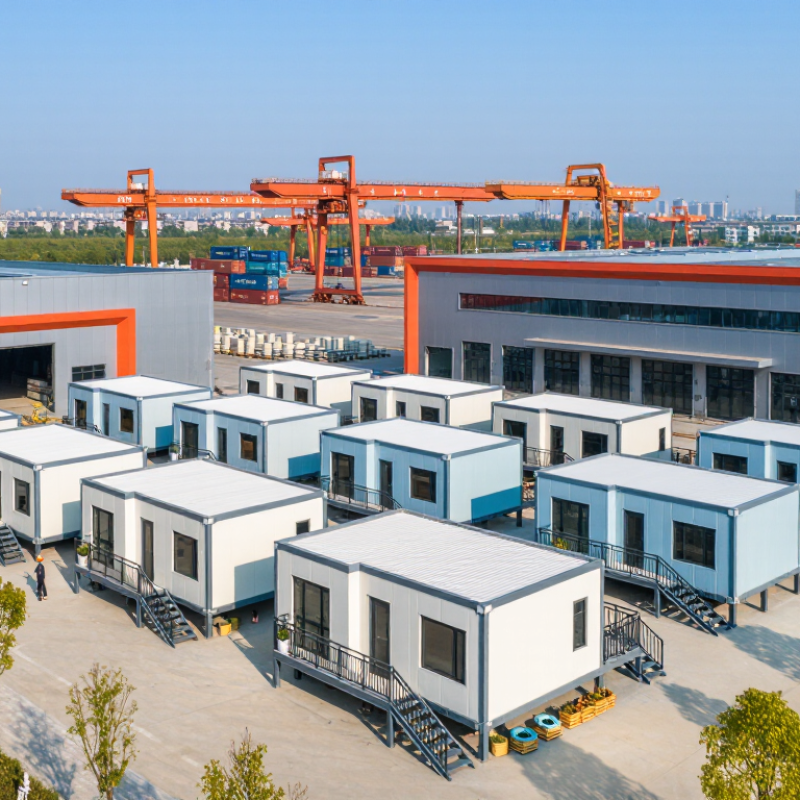
A mini home made in China is more than a small box shipped overseas. It usually combines compact planning, factory production, and transport-ready construction. Typical features include a steel or timber frame, insulated wall panels, pre-installed wiring, and space-saving furniture. The category remains fuzzy, however. Some units are permanent residences, while others suit temporary accommodation or holiday use.
McKinsey’s 2019 modular construction report found that factory-built methods can reduce project schedules by 20–50% and costs by up to 20%. These figures are not guarantees. Site access, customs, local permits, and installation quality can change the result. China’s National Bureau of Statistics reported continued growth in construction investment, supporting a large manufacturing base for prefabricated components. Still, factory precision is not perfection. Moisture control, fire resistance, insulation values, and electrical compatibility need independent verification.
Tips: Ask for a complete material list, tested insulation data, structural drawings, and local compliance documents. Confirm the packed dimensions before ordering. A cheaper unit may need expensive foundation work. Request photos from production and installation stages. Check ventilation carefully; compact rooms can feel uncomfortable when airflow is weak. For global buyers, the best mini home is not simply the smallest or cheapest. It is the clearest match between factory specifications and local living conditions.
Which Chinese Mini Home Types Suit Global Buyers?
For global buyers, Chinese mini homes usually fall into three practical types: foldable units, container-style modules, and panelized modular houses.
Foldable homes suit temporary offices, guest rooms, and remote sites. Their compact shipping volume can reduce transport costs, but hinges and seals need careful inspection. Container-style units offer strong frames and fast installation. They may feel narrow, especially in colder regions. Panelized homes provide better layout flexibility and insulation options. They need more assembly work, though.
Market demand supports smaller housing. UN DESA projects that 68% of the world’s population will live in urban areas by 2050. Space will remain expensive.
Grand View Research valued the global prefabricated construction market at about USD 162 billion in 2023, with continued growth expected. These figures do not prove that every mini home is suitable. They only show a strong market direction.
Climate should guide the choice. A coastal buyer may need corrosion-resistant materials and stronger wind calculations. A Canadian buyer should examine insulation thickness, heating capacity, and snow-load data. Buyers in hot regions need roof ventilation, shading, and efficient cooling paths.
Electrical systems also require local certification. Chinese factory specifications are useful, but local approval rules still control installation. This is where some buyers misjudge the purchase.
A low factory price can become expensive after shipping, foundations, permits, and interior upgrades. Request structural drawings, fire-safety documents, material test reports, and a complete delivery list before payment. Door sizes matter too. A beautiful module may not pass through the final driveway.
How to Compare Designs, Materials, and Build Quality
China Best Mini Homes for Global Buyers?
How to Compare Designs, Materials, and Build Quality
For global buyers, “best” should mean suitable, documented, and durable, not simply inexpensive. Start with the floor plan. Check ceiling height, storage depth, bathroom access, and furniture clearance. A wide window may look attractive, yet it can increase heat loss in cold regions. Ask for measured drawings, not only polished images. Do not judge comfort from a showroom layout.
Material lists need specific grades, thicknesses, and test documents. Look for structural steel specifications, certified electrical components, moisture-resistant boards, and insulation suitable for your climate. Steel frames can perform well, but weak welds or poor corrosion protection create expensive problems. Insulation should be checked around corners, windows, and floor joints. A glossy panel proves little. Request factory photographs, sample sections, and independent inspection records where practical. Local building requirements still apply after delivery, including fire safety, energy performance, and electrical systems.
Build quality appears in small details. Check weld consistency, sealant lines, screw spacing, drainage paths, and door alignment. Doors should close without force. Floors should feel firm, not hollow or springy. Ask how the home is packed, lifted, assembled, and repaired. Photos can mislead. I would also compare the delivered specification with the sales drawing line by line. Some details may be overlooked, including ventilation or replacement parts. That is a useful warning. A careful buyer should leave room for uncertainty and confirm critical points with a qualified local professional.
What Are the Costs, Shipping, and Import Requirements?
China Best Mini Homes for Global Buyers?
What Are the Costs, Shipping, and Import Requirements?
The advertised factory price is only one part of the budget. Buyers should also estimate customization, packaging, inland transport, port handling, ocean freight, insurance, duties, and local delivery. A compact home may cost more when reinforced windows, insulation, wiring, or plumbing are required. Exchange-rate changes can quietly affect the final payment.
Shipping depends on the home’s size and construction method. Flat-packed units usually use container space efficiently, while finished modules may require special equipment or oversized cargo permits. Ask for precise dimensions, gross weight, loading photos, and a written shipping scope. Confirm whether the quote includes export clearance, destination unloading, and delivery to the building site. These details are often unclear.
Import approval varies by country and sometimes by province or city. Buyers may need a commercial invoice, packing list, bill of lading, certificate of origin, and accurate customs classification. Local authorities can also require structural calculations, fire compliance, electrical certification, energy standards, and plumbing approval. A local architect, building inspector, or licensed customs broker should review the documents before payment. This step costs money, but correcting a non-compliant home costs more. A factory quotation can look professional and still omit foundations, utility connections, taxes, or inspection fees. That is where careful buyers need to question the numbers.
China Mini Homes for Global Buyers: Estimated Costs and Import Logistics
Planning benchmark for a 20 m² flat-pack mini home shipped from China. Values are estimated USD ranges before local construction, foundation, utility connection, and country-specific taxes.
Typical cost structure
The largest component is usually the factory price. Inland transport, export handling, ocean freight, destination port charges, customs clearance, and last-mile delivery are additional costs.
Shipping assumptions
Estimates assume one 20-foot container, port-to-port ocean transport, and standard cargo handling. Oversized or assembled homes may require different equipment and higher freight costs.
Import requirements
Buyers normally need a commercial invoice, packing list, bill of lading, tariff classification, import declaration, and destination-country building-code approval. Duties, VAT/GST, permits, and inspections vary by country.
Indicative planning figures only. Confirm the HS code, customs duty, product compliance, structural certification, and local permit requirements with the destination customs authority before ordering.
How to Verify Suppliers and Arrange Overseas Installation
China’s Best Mini Homes for Global Buyers?
How to Verify Suppliers and Arrange Overseas Installation
Buying a mini home from China requires more than comparing online prices. Request the supplier’s registered business details, factory address, production photos, and recent export records. A live video call can reveal useful details, but it is not perfect. Staged areas may look better than daily production lines. Ask the camera operator to show raw materials, welding points, insulation layers, and finished units without preparation.
Request technical drawings with exact dimensions, weight, electrical specifications, plumbing layouts, fire-resistant materials, and local climate ratings. A reliable supplier should explain wind, snow, humidity, and transportation limits clearly. Contact at least two previous buyers, preferably in a climate similar to yours. Check whether their homes arrived undamaged and whether replacement parts were available. Written answers matter.
Plan installation before signing the contract. Confirm foundation requirements, crane access, road width, utility connections, permits, and local inspection rules with qualified professionals. The overseas installer should receive drawings, assembly sequences, safety instructions, and a complete parts list. Include factory inspection, packaging standards, delivery terms, payment stages, warranty coverage, and response times in the contract. Photograph each crate before opening it. Count every panel, fitting, and fastener.
Do not assume the cheapest quotation is the best value. Some costs appear later. Installation estimates may also change after a site visit, especially on sloped land. A careful buyer leaves room for uncertainty, verifies measurements twice, and keeps every technical promise in writing.