CUSTOMISE Your Tiny Home - Call us now!

How to Choose the Best Mini Homes for Global Buyers?

Choosing the right mini homes requires more than comparing floor plans or online prices. Global buyers face different climates, currencies, building standards, transport networks, and approval processes. A compact home that works in California may perform poorly in Finland or Singapore.

The market is attracting serious attention. Grand View Research reported that the global tiny homes market was valued at approximately USD 6.35 billion in 2023, with continued growth expected through 2030. However, market estimates differ because companies define “tiny home” and “mini home” differently. That matters. Buyers should question attractive statistics before trusting them. UN-Habitat estimates that about 1.6 billion people lack adequate housing worldwide, highlighting the need for affordable, durable, and adaptable solutions. Yet affordability should include delivery, foundations, utilities, maintenance, insurance, and local compliance.

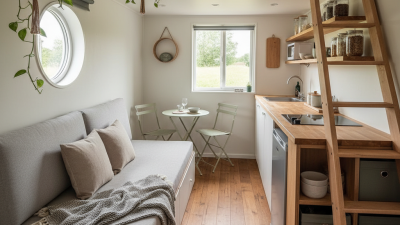
The best mini homes balance usable space with long-term performance. Look for verified insulation ratings, moisture protection, structural documentation, and transparent material specifications. A simple kitchen, foldable table, and well-placed storage can make a 25-square-meter interior feel practical rather than crowded. Energy performance also deserves attention, especially where heating or cooling costs are high. The International Energy Agency consistently identifies buildings as a major source of global energy demand, making efficient design commercially and environmentally important.

No checklist is perfect. Buyer priorities differ. This guide therefore evaluates mini homes through evidence, supplier experience, after-sales support, and realistic ownership costs. It also considers climate suitability and local approval requirements, rather than treating a beautiful showroom model as a universal answer.

How to Choose the Best Mini Homes for Global Buyers?

Define Mini Homes and Their Main Types

How to Choose the Best Mini Homes for Global Buyers?

Define Mini Homes and Their Main Types

Mini homes are compact residential buildings designed for efficient living, usually with less floor space than conventional houses. Their small size can reduce construction, heating, and maintenance costs. However, smaller does not always mean simpler.

The main types include tiny houses on wheels, modular homes, panel-built homes, and fixed cabin-style units.

Tiny houses on wheels offer mobility, but road width, towing limits, and local parking rules matter.

Modular homes arrive in sections and may provide stronger insulation and faster installation. Panel-built homes are assembled on-site, while cabin-style units often suit rural or recreational settings. Some designs look attractive but lack practical storage.

Climate should guide the choice. A coastal buyer may need corrosion-resistant materials and strong ventilation. A cold-region buyer should check insulation thickness, window quality, and heating performance. In warm areas, shading and cross-ventilation are essential. Utilities also require careful review. Water, drainage, electricity, and internet access vary widely between locations.

Tips: Request structural drawings, material specifications, warranty terms, and delivery details before paying. Confirm planning permission and foundation requirements with local authorities. A professional inspection can reveal moisture, weak joints, or poor wiring. Do not trust photographs alone. They can hide awkward doors and limited headroom. My own preference is to measure daily furniture before choosing a layout. Yet even that can be imperfect, because living habits change.

Compare Size, Layout, Materials, and Construction Quality

How to Choose the Best Mini Homes for Global Buyers?

Compare Size, Layout, Materials, and Construction Quality

For global buyers, a mini home should be judged by evidence, not attractive floor plans. Measure usable floor area, not the advertised footprint. A 24-square-meter home can feel open with a combined kitchen and living zone. It can feel cramped when furniture blocks the entrance. Check ceiling height, window placement, storage depth, and bathroom access. A sleeping loft saves space, but steep stairs may reduce daily comfort. Test the layout with real furniture dimensions before paying a deposit. That step is easy to skip.

Materials affect comfort, maintenance, and long-term value. For cold climates, inspect insulation thickness, vapor control, and window performance. In humid regions, ask how wall assemblies resist moisture and mold. Timber can feel warm, while steel may offer rigidity, but both require careful detailing. Look for sealed joints, level floors, protected wiring, and clean plumbing connections. Construction quality is more than a polished interior. Request dated photos of framing, roof membranes, and service testing. An independent inspection is worthwhile, especially when the home crosses borders. I have seen neat finishes hide uneven doors and weak drainage. No checklist is perfect. Verify local planning rules, foundation needs, and utility standards before ordering.

How to Choose the Best Mini Homes for Global Buyers?

This benchmark compares common mini-home formats using practical indicators: usable layout efficiency, material performance, insulation, and construction quality. Scores are based on representative market specifications rather than any company or brand.

Larger homes generally provide more flexible layouts, while compact models can achieve higher space efficiency. Durable cladding, adequate insulation, moisture protection, and factory-controlled assembly are key indicators of long-term construction quality.

Evaluate Climate Suitability, Mobility, and Energy Efficiency

How to Choose the Best Mini Homes for Global Buyers?

Climate suitability should guide every mini-home decision. A design that feels comfortable in a dry mountain climate may struggle in humid coastal weather. Check insulation thickness, roof drainage, window performance, and ventilation before comparing floor plans. In site assessments, I look for condensation marks, shaded walls, and access to fresh air. These small details often reveal future problems. Local snow, wind, heat, and moisture requirements also deserve professional review.

Mobility matters when the home may move between regions. Confirm its empty weight, transport dimensions, towing requirements, and connection points. Narrow roads and low bridges can turn a portable home into a costly project. Energy efficiency should remain practical, not decorative. Look for efficient heating and cooling, airtight construction, LED lighting, and low-energy appliances. Solar panels and battery storage can help, but they cannot fix poor insulation. I once focused too heavily on solar capacity and underestimated winter heating demand. That was a useful mistake.

Tips: Visit the home during uncomfortable weather if possible. Ask for measured energy data, not only estimates. Check whether replacement parts and qualified technicians are available locally. Leave space for maintenance. A beautiful compact home can still be inconvenient when filters, wiring, or plumbing are difficult to reach. Check twice.

Check Regulations, Land Requirements, Costs, and Financing

Choosing a mini home begins with local regulations, not floor plans. Rules differ by country, region, and even municipality. A home allowed on one rural plot may be prohibited in a residential district. Check zoning, building permits, minimum dwelling sizes, and occupancy rules with the local planning office. Ask whether the unit is classified as a permanent structure, a movable home, or temporary accommodation. Definitions matter.

Land requirements can change the budget quickly. Confirm road access, delivery clearance, drainage, power, water, and wastewater arrangements. A narrow bridge or steep driveway may require special transport equipment. Some plots require a foundation, soil testing, or an approved septic system. Paperwork matters. Get written guidance before paying a deposit.

Calculate the full cost, including taxes, permits, transport, site preparation, utility connections, insurance, and annual maintenance. Keep a realistic contingency fund; prices often rise after excavation begins. Financing can also be difficult. Some lenders treat mini homes as vehicles, while others require a permanent foundation and property valuation. International buyers may face currency risk, income verification, and larger down payments. Compare loan terms carefully, and confirm repayment rules in your country. I have seen buyers focus on the purchase price and underestimate land preparation. That mistake is expensive. Budget honestly. Consult a licensed surveyor, planner, and financial adviser before signing contracts.

Choose Reliable Suppliers and Verify Global Delivery Services

Choosing the Best Mini Homes for Global Buyers

A reliable supplier should provide more than attractive photos and a low quotation. Ask for detailed floor plans, material specifications, insulation data, and recent production images. A serious supplier can explain how the home performs in heat, cold, rain, and strong coastal winds. Request a live factory video or an independent inspection before making a deposit. Small details matter, such as door dimensions, electrical standards, plumbing connections, and replacement-part availability.

Verify the delivery service separately. Confirm whether the quotation includes factory loading, inland transport, port handling, insurance, customs documents, and final delivery. Ask for the exact shipping route, estimated transit time, tracking process, and responsibility for damage during unloading. Delivery terms must be written clearly, not discussed only through chat messages. Check whether the home can legally enter your destination country and whether local permits are required before purchase.

Do not trust perfect promises.

A supplier that answers slowly may still be honest, while polished communication may hide weak logistics. Compare several written quotations and call previous international customers when possible. Pay through a secure, documented method, and keep approved drawings with the contract. I would also leave a realistic time buffer, because weather, port congestion, and inspections can change delivery dates. The least exciting checks often prevent the most expensive mistakes.