Best Tiny Trailer Homes from China for Global Buyers
Buying tiny trailer homes from China can open access to compact designs, practical layouts, and competitive manufacturing options. However, global buyers need more than attractive photographs. They need clear specifications, reliable communication, and evidence of consistent quality.
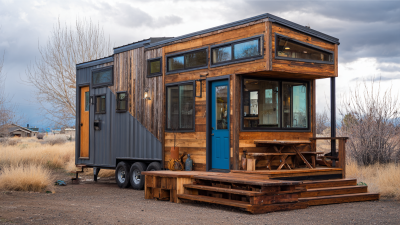
Jay Shafer, an early tiny-house pioneer, described this concept simply: “A tiny house is a small house that is built on a trailer chassis.” That definition remains useful. A true trailer home must balance living comfort with mobility, structural strength, and road-ready construction. In this guide, we examine models with realistic floor plans, insulated walls, durable roofing, and carefully finished interiors. We also consider towing weight, trailer dimensions, electrical systems, plumbing, and after-sales support.
Small details matter. A kitchen cabinet should close firmly during movement. Windows should seal against wind-driven rain. Floor insulation matters on a cold morning. Factory videos can help, but they cannot replace inspection records or material documentation. Buyers should request drawings, serial details, packing photographs, and independent checks when possible.
No ranking fits every buyer. A stylish loft may feel cramped after one month. A cheaper model may need expensive upgrades before delivery. Those weaknesses deserve attention. Shipping distance, local registration rules, climate, and site access can change the final cost significantly. This selection aims to make comparison easier, not to promise a perfect purchase. Careful questions still matter most.
What Defines a Tiny Trailer Home for International Buyers
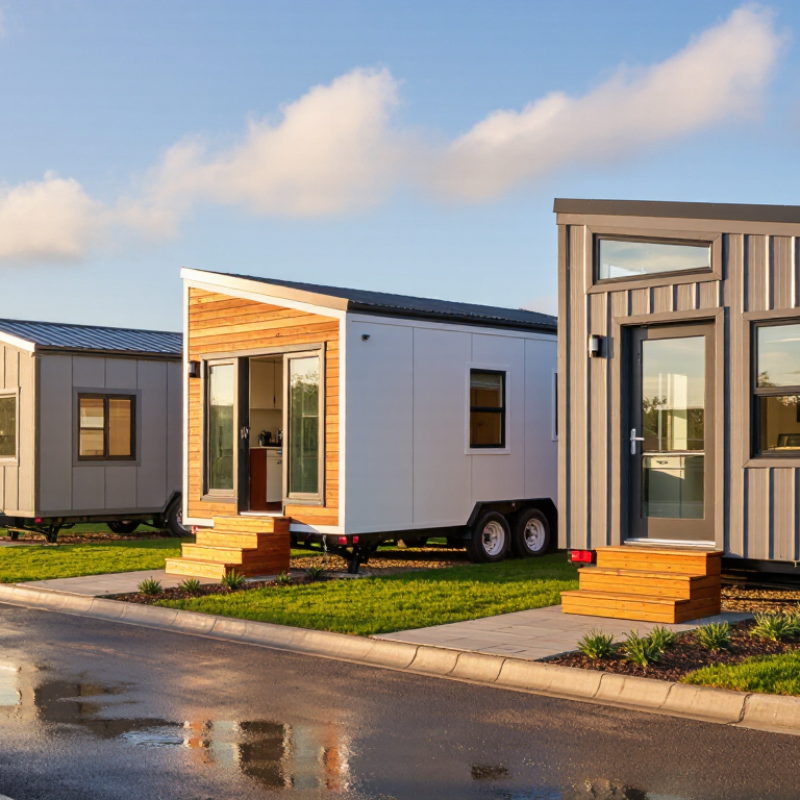
For international buyers, a tiny trailer home is more than a compact house on wheels. It is a towable dwelling built on a road-ready chassis, with documented dimensions, weight, and connection points. Definitions vary by country. Some markets classify it as a caravan, while others treat it as a modular dwelling or vehicle. That difference affects registration, towing licenses, parking, and utility connections.
Before ordering from China, buyers should request a complete specification sheet. It should show axle ratings, brake systems, tire standards, insulation layers, electrical protection, and water fittings. Ask for test reports, engineering drawings, loading photographs, and a clear warranty process. A factory video is useful, but it cannot replace independent inspection. Details matter.
Climate suitability also defines a reliable tiny trailer home. A cold region may require thicker insulation, protected pipes, and stronger heating capacity. Hot, humid areas need ventilation, moisture control, and corrosion-resistant materials. An experienced buyer checks the trailer’s real loaded weight, not only its empty weight. Small changes can affect towing safety. I would also confirm door sizes, spare-part availability, and local service options before payment. Some beautiful layouts lose practicality after furniture, luggage, and water tanks are added. The design may need more storage and less decoration. Local authorities should verify every road and installation requirement.
Best Tiny Trailer Homes from China for Global Buyers
What Defines a Tiny Trailer Home for International Buyers
For international buyers, exterior width is one of the most important design limits. The chart compares representative maximum road widths used in major markets. A compact trailer home designed close to 2.40–2.55 metres wide can improve transport compatibility, although buyers must confirm local registration, towing, axle-load, and oversize-permit rules before purchase.
Reference basis: U.S. 102-inch federal vehicle-width benchmark, European Union Directive 96/53/EC, United Kingdom Construction and Use Regulations, and Australia’s 2.50-metre general width limit. Local exemptions and road rules may differ.
Key Types of Tiny Trailer Homes Made in China
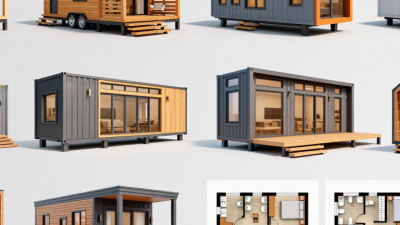
Chinese manufacturers commonly produce several key types of tiny trailer homes for global buyers. Teardrop trailers are compact, lightweight, and easy to tow with smaller vehicles. Their rear kitchens often include a countertop, sink, and storage cabinets. They suit short trips, but interior standing space is limited.
Expandable trailer homes offer a wider living area after setup. Fold-out walls or slide-out sections can create room for a bed, sofa, and compact bathroom. This design feels practical at campsites. However, moving parts require careful sealing and regular inspection. Flat-pack and modular trailer homes focus on transport efficiency. Buyers receive sections that are assembled after delivery, which may reduce shipping volume but increase local installation work.
Experience shows that specifications matter more than attractive drawings. Check the trailer’s unloaded weight, maximum loaded weight, axle rating, braking system, and towing connection. Ask for clear measurements of doors, windows, insulation layers, and water tanks. Electrical systems should match the destination country’s voltage and certification requirements. Road approval also varies by region, so buyers must confirm registration rules before ordering.
Some compact layouts look excellent online. They can feel cramped in real use. A bathroom door may block the kitchen, or storage may disappear under bedding. Request detailed floor plans, material samples, inspection photos, and independent quality checks. No design is perfect. A reliable supplier should explain limitations instead of promising everything.
How to Evaluate Size, Layout, Materials, and Build Quality
Best Tiny Trailer Homes from China for Global Buyers
Size should be judged by living function, not floor area alone. A 20-foot trailer can feel spacious with a clear walkway and foldable table. Measure bed length, ceiling height, door width, and storage depth before ordering. The 2024 RV Industry Association Industry Profile recorded 313,174 U.S. wholesale RV shipments in 2023, showing strong demand but also intense product variety. Photos are not enough.
Layout needs to match real routines. Check whether two people can cook without blocking the entrance. Inspect ventilation near the shower, window placement, and access to electrical panels. A compact kitchen with a 60-centimeter aisle may work, but buyers should test the movement physically. I would ask for a scaled floor plan. Small errors become annoying every day.
Materials reveal long-term value. Ask for steel thickness, galvanizing records, roof membrane specifications, and insulation test results. ISO 12944-5 provides useful guidance for protective coating systems against corrosion, especially in coastal climates. ASTM C518 is commonly used to measure thermal transmission through insulation. Request weld photographs, axle ratings, brake tests, and water-leak records. These documents matter more than polished brochures. Some sellers provide incomplete evidence. That is a warning, not a minor inconvenience. Weight calculations also deserve independent review, because added batteries, tanks, and furniture can quietly exceed legal towing limits.
Export Standards, Customization, Shipping, and Import Requirements
Buying a tiny trailer home from China requires more than attractive photos and a low factory quote. Global buyers should request drawings, material specifications, axle ratings, brake details, and electrical test reports. Check the chassis identification and weight data carefully. A trailer designed for one country may not meet another country’s road rules. Local authorities may require specific lighting, reflectors, tires, couplings, or safety certification. Ask an independent inspector to verify construction before final payment.
Customization should begin with the buyer’s daily use, not decoration. A larger kitchen or water tank can change axle balance and towing stability. Confirm the final gross weight after adding furniture, batteries, appliances, and personal items. Electrical systems may need different voltage, frequency, plugs, or protection devices. Plumbing also needs attention in freezing climates. Small changes matter. One common planning mistake is approving a beautiful layout before checking the tow vehicle’s limits.
Shipping normally involves container transport, roll-on/roll-off service, or specialized flat-rack loading. The chosen method affects cost, protection, and port handling. Use moisture barriers, reinforced tie-down points, and a clear packing list. Import requirements vary by destination and can include customs invoices, certificates of origin, conformity documents, title papers, and pre-shipment inspections. Buyers should confirm duties, taxes, registration rules, and road approval with customs brokers or transport authorities before production. Requirements can change, and online advice is not always current. Save every revision, inspection photo, and signed specification for later disputes.
How to Choose the Best Chinese Tiny Trailer Home for Your Market
Best Tiny Trailer Homes from China for Global Buyers
Choosing the best Chinese tiny trailer home starts with your local market, not the showroom photos. A model suited to Australian roads may fail on narrow European streets. Measure parking spaces, towing limits, road grades, and seasonal temperatures before contacting a supplier.
Start with the road. Confirm the trailer’s gross vehicle mass, axle rating, braking system, coupling size, and tire specifications. Ask for independent test reports and clear technical drawings. Local registration rules may require different lighting, safety markings, electrical systems, or gas installations. Do not trust a general compliance statement. Request documents that match your destination country.
Climate matters just as much. Coastal buyers need corrosion protection, while colder markets need stronger insulation and reliable heating. Inspect roof seals, window frames, underfloor insulation, and water drainage. A compact interior can feel practical, but poor ventilation may create condensation around the bed and kitchen.
I recommend ordering a detailed inspection before shipment. Check welds, cabinet hinges, plumbing joints, battery storage, and emergency exits. Request photos from hidden areas, not only polished exterior views. This takes time.
Shipping costs can change the real price. Compare container dimensions, port charges, spare-parts support, warranty terms, and delivery responsibilities. A cheaper unit may become expensive after modifications. I have seen buyers focus too heavily on appearance. That decision is understandable, but sometimes costly. Choose a supplier willing to explain limitations clearly, because honest specifications are more valuable than impressive promises.