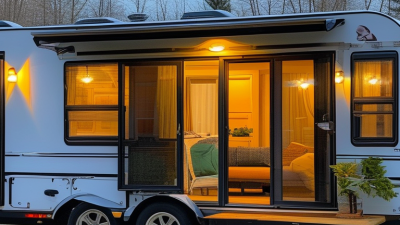
2026 Top Affordable Tiny Homes for Sale Worldwide
The search for affordable tiny homes is changing. Buyers now want lower costs, practical comfort, and fewer financial pressures. This guide explores promising tiny homes for sale worldwide in 2026.
Dee Williams, a respected tiny-house author and designer, once said, “Small spaces can support big lives.” Her idea remains relevant, but affordability needs careful testing. A low sticker price may exclude land, delivery, foundations, permits, insurance, or utility connections. Those costs can quietly reshape the budget.
This guide compares compact homes across different regions. It considers construction quality, insulation, storage, mobility, energy use, and everyday comfort. Imagine a bright kitchen, a fold-down table, and boots drying beside the entrance. Small details matter.
Prices vary widely. Local materials, labor, transport distances, and currency changes all influence the final figure. Some homes look inexpensive online but require extensive preparation before occupancy. That difference deserves attention.
The featured affordable tiny homes include cabins, modular units, container-inspired designs, and towable models. Each option has strengths and limitations. A mobile home may offer flexibility, but towing requires suitable vehicles and safe routes. A fixed model may feel sturdier, but land costs can be substantial.
There is no perfect answer.
Readers should verify building standards and ownership requirements locally. Rules differ between countries, regions, and municipalities. This article offers informed guidance, not a substitute for professional inspection or financial advice. Some comparisons may remain imperfect because prices and availability change quickly. That uncertainty is part of the decision. A beautiful tiny home is only affordable when its complete living cost remains realistic.
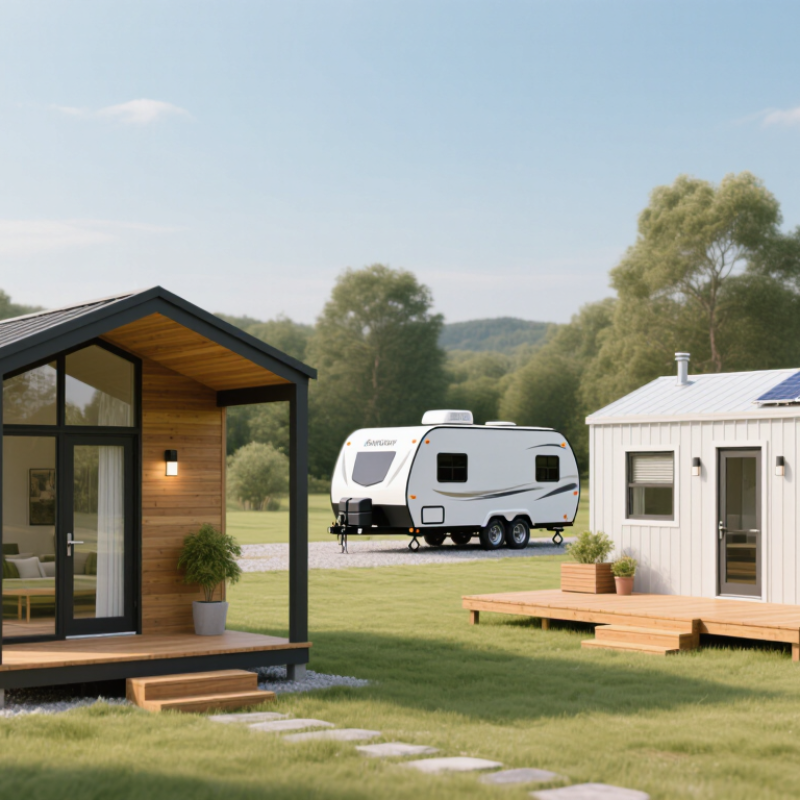
What Makes a Tiny Home Affordable in 2026
Affordable tiny homes in 2026 are judged by total cost, not the advertised price. A low sticker price can hide delivery, foundation, utility connections, permits, and site preparation. Buyers should request an itemized quote before paying a deposit. That simple document often reveals the real budget.
Construction quality matters too. A well-insulated home can reduce heating and cooling expenses over many years. Look for durable roofing, moisture protection, safe wiring, and efficient windows. Reclaimed materials may lower costs, but they need careful inspection. Cheap finishes are acceptable. Weak structure is not.
Location changes affordability worldwide. Transporting a home across borders can add customs fees, taxes, and long delivery delays. Local builders may offer better value because they understand regional weather and building requirements. Always verify land-use rules and utility standards with local authorities. Regulations differ greatly.
My practical view is cautious. Smaller space can reduce maintenance, but it does not remove every expense. A compact kitchen still needs reliable appliances. A bathroom still needs proper drainage. Even a simple home can become costly after rushed decisions. Buyers should compare lifetime expenses, not just floor area or monthly payments. Some affordable models may also have limited resale demand. That risk deserves honest attention.
Top Affordable Tiny Home Types Available Worldwide
Affordable tiny homes vary by climate, transport access, and local building rules. Prefabricated panel homes are popular because factories cut materials with controlled precision. They often arrive as wall sections, roof panels, and basic interior units. Flat-pack cabins can reduce shipping costs when roads are narrow or remote. Assembly still requires skilled labor. Space stays tight.
Towable tiny homes suit people who value mobility, but they need safe parking and approved utility connections. Their lightweight frames may perform poorly in strong wind without proper anchoring. Small modular homes offer better insulation and room layouts than many towable models. They can work well as backyard studios, rental units, or compact family homes. Check foundation requirements before ordering.
Converted shipping containers can be affordable in some regions, especially where used steel units are available locally. However, insulation, ventilation, corrosion control, and cutting costs can change the final budget. Cabin-style homes made from timber often feel warmer and easier to repair with local materials. In hot climates, shaded windows and cross-ventilation matter more than decorative finishes. In cold regions, roof insulation deserves serious attention.
Reliable buyers compare the complete cost, including transport, permits, foundations, plumbing, electrical work, and future repairs. The lowest advertised price can be misleading. I would question any design that hides these details. A smaller home also needs careful storage planning, because one poorly placed cabinet can block daily movement. Local professionals should verify structure, fire safety, drainage, and energy performance before construction begins.
Regional Prices and Popular Tiny Home Markets
2026 Top Affordable Tiny Homes for Sale Worldwide
Regional Prices and Popular Tiny Home Markets
Tiny-home prices vary sharply by region, transport distance, and utility access. In the United States, Angi’s 2024 Cost Guide places typical construction near $30,000–$60,000, excluding land and site work. Factory-built units often cost less than custom models. Yet delivery can add several thousand dollars. A rural plot may look cheap, but installing water, power, and wastewater systems can change the calculation.
The United Kingdom remains a strong market for compact cabins and mobile homes. Checkatrade estimates many small dwellings between £20,000 and £100,000, depending on insulation, fittings, and certification. Australia’s regional market commonly lists units around AUD 80,000–180,000, according to 2024 housing-cost surveys. Coastal areas are usually pricier. Germany, France, and the Netherlands also show steady interest, especially where energy efficiency matters.
Market forecasts are less consistent. Grand View Research estimated the global tiny-home market at roughly $6 billion in 2023, while other industry reports placed it lower. That gap deserves caution. Definitions differ between mobile units, permanent homes, and modular cabins. In practice, buyers should compare total delivered cost, not the advertised shell price. A small home can still require a large budget.
Essential Features, Costs, and Legal Considerations
Affordable tiny homes in 2026 often cost $40,000–$150,000 before land, delivery, and utility connections. These figures are market ranges, not guarantees. In practice, a 20–30-square-metre unit needs insulated walls, safe wiring, compact storage, and a durable wet room. NAHB’s 2024 Cost of Construction Survey placed conventional construction near $162 per square foot. Tiny homes use less space, but specialist labor and transport can increase costs. I would compare total installed cost, not the advertised shell price.
Tips: Request structural calculations, moisture-control details, an itemized delivery quote, and warranty terms. Keep 10–15% for site surprises. That allowance feels excessive. Often, it is not.
Legal approval is location-specific. A movable unit may follow vehicle or recreational standards, while a fixed dwelling usually faces planning, zoning, sanitation, fire, and energy rules. The International Code Council’s 2024 residential code includes Appendix AQ for tiny houses, but local adoption remains decisive. In Europe, the European Commission’s 2024 recast Energy Performance of Buildings Directive strengthens building-performance requirements. National implementation is still developing. Confirm minimum floor area, foundation rules, road access, wastewater treatment, and occupancy permits before paying a deposit. Ask a local building surveyor to verify the documents. Online listings rarely show the whole risk.
How to Choose and Buy the Right Tiny Home
Buying a tiny home in 2026 requires more than comparing online prices. Start with the land, not the floor plan. Check zoning, utility access, delivery routes, and foundation rules before paying a deposit. The OECD Affordable Housing Database shows that housing costs remain a serious burden in many countries. A low purchase price may still hide expensive land preparation, permits, transport, and connections.
Inspect the structure personally, or hire an independent surveyor. Look for water stains, soft flooring, window gaps, roof movement, and poor ventilation. Ask for the complete material list, energy certificate, warranty terms, and repair history. The 2024 UNEP Global Status Report for Buildings and Construction states that buildings use about 32% of global energy and produce roughly 34% of global carbon emissions. Good insulation, shaded windows, heat-pump systems, and efficient lighting can reduce daily costs. They may cost more upfront.
Think about real life inside the home. Measure the bed, cooking area, storage, and bathroom door swing. Imagine carrying groceries on a rainy evening. A loft can save space, but stairs may become difficult later. A compact washer may sound practical, yet it can limit repairs. I have seen buyers focus too heavily on beautiful interiors. That mistake is understandable, but expensive. Leave room in the budget for delivery damage, replacement parts, and unexpected ground work. Read every contract slowly. Do not rely on verbal promises. The right tiny home is affordable only when its total ownership cost remains manageable.
2026 Top Affordable Tiny Homes for Sale Worldwide - How to Choose and Buy the Right Tiny Home
| Home Type | Typical Usable Area | Indicative 2026 Price Range (USD Equivalent) |
Typical Format | Best For | Common Features | Key Checks Before Buying |
|---|---|---|---|---|---|---|
| Basic Tiny House on Wheels | 15–28 m² 161–301 sq ft |
$35,000–$75,000 | Trailer-based, factory-built or partially finished | Buyers who need mobility and a relatively low entry price | Kitchenette Bathroom Loft or sleeping area Insulated shell | Confirm road-legal dimensions, trailer certification, towing weight, registration rules, and whether appliances are included. |
| Compact Prefabricated Studio | 18–35 m² 194–377 sq ft |
$30,000–$80,000 | Factory-built modular unit delivered by truck or crane | Backyard offices, guest accommodation, and compact permanent living | Open-plan interior Full-height windows Optional bathroom Efficient heating | Check foundation requirements, delivery access, local planning permission, utility connections, and the cost of site preparation. |
| Flat-Pack or Panelized Tiny Home | 20–45 m² 215–484 sq ft |
$25,000–$70,000 | Flat-packed panels or prefabricated sections assembled on site | Owners with suitable land and access to local builders | Lower shipping volume Flexible floor plan DIY potential Expandable design | Obtain a complete delivered-cost estimate covering labor, tools, insulation, foundations, permits, and weather protection during assembly. |
| Used Tiny House on Wheels | 15–30 m² 161–323 sq ft |
$20,000–$60,000 | Previously owned mobile dwelling | Budget-focused buyers who can inspect the home carefully | Lower purchase cost Existing fittings Immediate availability Negotiable price | Inspect chassis, tires, brakes, moisture damage, plumbing, electrical systems, insulation, ownership documents, and transport history. |
| Small Modular Cabin | 20–40 m² 215–431 sq ft |
$40,000–$100,000 | Crane-delivered module for a fixed site | Rural living, holiday accommodation, and rental use | Durable structure Private bedroom Full bathroom Four-season options | Verify crane placement, road width, foundation design, snow and wind ratings, insulation values, and local occupancy approval. |
| Container-Style Converted Home | 14–29 m² per module 151–312 sq ft |
$25,000–$85,000 | Modified steel module or container-inspired construction | Projects requiring a compact, durable structure with a modern layout | Steel structure Modular expansion Compact installation Custom interiors | Check corrosion treatment, thermal bridging, condensation control, structural alterations, lifting costs, and compliance with residential standards. |
| Self-Build Tiny Home Kit | 15–40 m² 161–431 sq ft |
$15,000–$50,000 Kit only |
Materials package with plans and selected components | Skilled DIY builders seeking the lowest purchase price | Design flexibility Lower material cost Local sourcing Phased construction | Budget separately for labor, tools, foundations, windows, plumbing, electrical work, permits, interior finishes, and construction waste. |
| Off-Grid Tiny Home | 15–30 m² 161–323 sq ft |
$45,000–$120,000 | Fixed or mobile home with independent utilities | Remote locations where grid connections are unavailable or expensive | Solar power Battery storage Water tank Composting or alternative toilet | Calculate seasonal energy demand, battery replacement costs, water storage, wastewater treatment, internet access, and winter performance. |
| Accessible Single-Level Tiny Home | 25–45 m² 269–484 sq ft |
$50,000–$110,000 | Ground-level modular or fixed home | Older adults, wheelchair users, and buyers prioritizing long-term usability | No internal stairs Wide doors Low-threshold shower Adaptable layout | Measure turning circles, doorway widths, bathroom clearances, ramp gradients, reachable controls, and local accessibility requirements. |
| Two-Module Expandable Tiny Home | 35–60 m² 377–646 sq ft |
$70,000–$150,000 | Two connected modules with future expansion potential | Small families or buyers who may need additional space later | Separate bedroom More storage Expandable plan Family-friendly layout | Confirm transport limits, connection details between modules, foundation capacity, future expansion costs, and total permitted floor area. |
Related Posts
-
What Types of Tiny Mobile Homes Are Best for Buyers?
-
How to Buy Manufactured Tiny Homes in 2026?
-
2025 Guide: How to Find Affordable Tiny Homes for Sustainable Living
-
2026 Top Tiny Home Types for Global Buyers?
-
Exploring the Tiny House Movement: How Minimalism is Shaping Sustainable Living Today
-
What Are the Top 10 Tiny Home Models in China?