Top Tent Membrane Trends for 2026 What Buyers Need to Know
As we approach 2026, the landscape of tent membrane designs is evolving. Buyers must stay informed about the latest trends shaping this industry. Tent membrane structures are becoming more innovative, blending functionality with aesthetic appeal.
Climate-conscious consumers are seeking sustainable materials. This shift towards eco-friendly solutions is notable. Functionality is also key; the materials must withstand various weather conditions while maintaining structural integrity. Moreover, trends in customization are emerging. Personalization options are increasingly popular among buyers.
Understanding these trends is essential for making informed purchasing decisions. This knowledge can impact both event planning and construction projects. However, not all trends will suit every situation. Buyers need to critically assess which features align with their unique needs. The world of tent membranes is dynamic and exciting, but also complex.
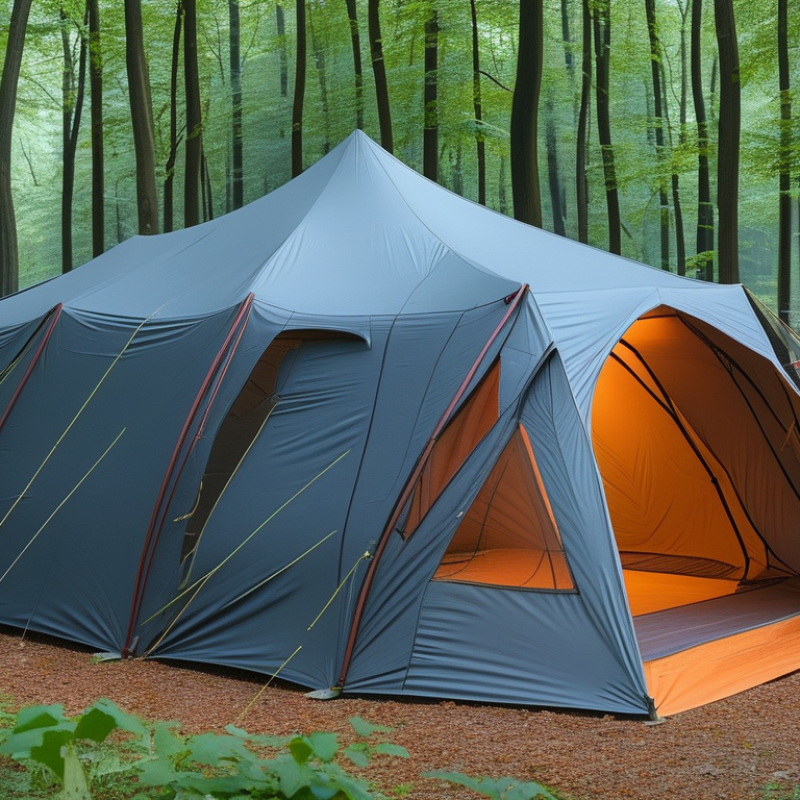
Emerging Designs in Tent Membrane Technology for 2026
As tent membrane technology evolves, 2026 will see exciting designs emerging in the industry. One trend focuses on lightweight materials that do not compromise durability. These innovations enable easier setup and transportation. Users will appreciate the simplified logistics while enjoying sturdy, weather-resistant structures.
Another notable design trend is the integration of smart technology. Tents equipped with sensors can monitor temperature and humidity. This functionality will ensure optimal comfort for users. Incorporating solar panels into tent designs adds energy efficiency. These advances signify a shift towards sustainable practices in outdoor experiences.
However, not all innovations will fulfill expectations. Some lightweight materials may not perform well under extreme conditions. Buyers should consider performance alongside aesthetics. The industry may need time to refine certain designs, ensuring reliability. With careful evaluation, buyers can navigate the evolving landscape of tent membrane technology effectively.
Sustainability Trends in Tent Membrane Materials
As we look ahead to 2026, sustainability in tent membrane materials is gaining traction. The market is responding to growing consumer interest in eco-friendly solutions. Reports indicate that approximately 70% of consumers prefer products made from sustainable materials. This shift is driving innovation in the design and manufacturing of tent membranes.
New materials are emerging that reduce environmental impact. For instance, recycled polyethylene terephthalate (rPET) is becoming a popular choice. This material reduces waste and utilizes post-consumer plastics. In recent years, the use of rPET in tent construction has increased by over 40%. Nonetheless, challenges remain. Many manufacturers struggle with sourcing high-quality rPET at scale. This can lead to inconsistent product performance in different conditions.
Moreover, biobased materials are entering the market. These can reduce reliance on fossil fuels but may come with limitations such as durability or weather resistance. A 2023 report highlighted that 35% of tent manufacturers reported difficulties in achieving the necessary standards for biobased membranes. These issues need addressing to ensure reliability while pursuing sustainability goals. Adjustments in production and testing processes will be crucial.
Top Tent Membrane Trends for 2026
Innovative Features Enhancing User Experience in Tents
As we look ahead to 2026, the evolution of tent designs emphasizes innovative features. These advancements enhance not just functionality but also user experience. For instance, integrated smart technology can track weather conditions. This feature allows campers to prepare for sudden changes in the environment. Imagine knowing when a storm is approaching, allowing for proactive adjustments.
Additionally, lightweight materials are becoming popular. These textiles offer durability without the weight. Campers can easily set up and pack down their tents. The focus is on ease of use. Some designs even allow for single-person setup, making it convenient for solo adventurers. Features like pop-up mechanisms reduce setup time significantly, appealing to both novice and experienced campers.
Ventilation is another critical aspect under consideration. Innovative designs incorporate mesh panels to enhance airflow. This helps to reduce condensation and keeps the interior comfortable. However, some might find these designs less suitable in harsher climates. Striking a balance between ventilation and insulation remains a challenge. Ultimately, personal preferences and specific needs will guide buyers in selecting the perfect tent for their adventures.
Market Insights: Buyer Preferences and Demand in 2026
In 2026, the demand for tent membranes is expected to rise significantly. Industry reports indicate a projected annual growth rate of 5.7% in this sector. Buyers are becoming more discerning, seeking materials that offer both durability and aesthetic appeal. Data from leading market analyses show that lightweight membranes are gaining attention. These materials provide easy setup and enhanced portability, which aligns with modern consumer lifestyles.
Sustainability is a crucial trend influencing buyer preferences. A recent survey highlighted that 70% of consumers prioritize eco-friendly options. Buyers show a strong interest in recyclable materials and energy-efficient production processes. Additionally, customization is on the rise, with 65% of buyers preferring tailored solutions that reflect their brand identity or venue requirements.
Challenges remain within the industry, particularly regarding availability and supply chain issues. Reports indicate that some suppliers struggle to keep up with the growing demand. This inconsistency can lead to delays, making it essential for buyers to establish reliable relationships with manufacturers. The need for transparency in sourcing is becoming increasingly important. Buyers are encouraged to inquire about the origins of materials and production practices.
Top Tent Membrane Trends for 2026 - Market Insights: Buyer Preferences and Demand in 2026
| Trend | Description | Expected Growth (%) | Buyer Preference (% of Total) |
| Eco-Friendly Materials | Increased demand for sustainable fabric options. | 25% | 40% |
| Smart Tent Technology | Integration of IoT for improved usability and monitoring. | 30% | 35% |
| Modular Design | Flexibility in configurations to adapt to various settings. | 20% | 30% |
| Lightweight Structures | Focus on portability and ease of setup. | 15% | 25% |
| Customizable Options | Personalization options for unique branding and themes. | 10% | 20% |
Future Challenges and Opportunities in Tent Membrane Industry
As the tent membrane industry evolves, it faces both future challenges and promising opportunities. According to market research from Smithers Pira, the global market for tent membranes is projected to reach $1.5 billion by 2026. This growth is fueled by increasing demand for temporary structures in events, hospitality, and outdoor activities. However, this expansion comes with hurdles. Environmental regulations are tightening, making materials selection critical. Buyers must prioritize sustainable options that comply with emerging standards.
Furthermore, the competition in the tent membrane market is intensifying. Many manufacturers are investing in innovative designs and materials. Flexible membranes that adapt to weather conditions are becoming more popular. However, not all companies are keeping up with these trends. Many still rely on traditional methods that may not be environmentally friendly or cost-effective. Buyers should seek suppliers who demonstrate a commitment to innovation and sustainability.
Additionally, the industry's reliance on skilled labor remains a concern. As techniques become more sophisticated, the workforce faces challenges in terms of training and expertise. Reports indicate that 30% of projects are delayed due to skill shortages. Companies must focus on upskilling their workers while also appealing to new talent. The future of the tent membrane industry hinges on tackling these challenges while seizing opportunities for growth and innovation.