Top 10 Reasons to Consider Rent to Own Tiny Homes for Your Next Move?
The rise of rent to own tiny homes reflects a significant shift in housing trends. According to a recent report by the U.S. Department of Housing and Urban Development, tiny homes are becoming increasingly popular due to their affordability and sustainable living benefits. Many people now view them as viable alternatives to traditional housing, especially in cities where space is limited.
Rent to own tiny homes provide an innovative pathway for individuals and families looking to secure property without the burden of hefty mortgage payments. A study by the National Association of Realtors indicates that younger generations are especially attracted to these models, seeking flexibility and financial freedom. This approach also allows potential homeowners to test their living situation before fully committing, which aligns with modern preferences for agility.
While there are compelling reasons to consider this option, it's essential to weigh both the benefits and potential challenges. For instance, zoning laws may pose hurdles, and not all communities welcome tiny homes. Careful consideration and research are necessary to make informed decisions in this evolving housing landscape.
Reasons for Growing Popularity of Tiny Homes in Modern Living
The trend of tiny homes is booming in modern living. In recent years, the tiny home movement has gained traction, appealing to a wide demographic. According to a study by the American Tiny House Association, 68% of tiny home owners report they feel happier living in smaller spaces.
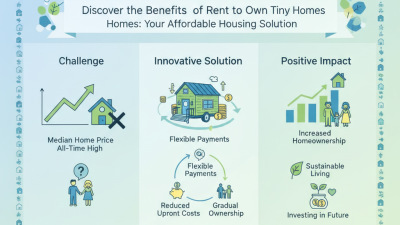
Affordability is a significant factor driving this trend. Traditional homes are becoming increasingly expensive. The median price of homes has climbed to record highs, making home ownership challenging. Tiny homes offer an alternative, often costing significantly less—averaging around $23,000 to $35,000. This budget-friendly option opens the door for many people who have previously felt priced out of the market.
Sustainability also plays a crucial role. Tiny homes generally consume less energy and require fewer materials to construct. The National Association of Home Builders reported that tiny homes use about 45% less energy than traditional homes. This energy efficiency not only lowers utility bills but also appeals to environmentally conscious individuals. However, challenges exist. Finding suitable land can be difficult, and zoning laws may restrict where tiny homes can be placed. These hurdles highlight the complexity of this growing lifestyle.
Understanding the Rent to Own Model for Tiny Homes
When considering a tiny home, the rent-to-own model offers flexibility and financial feasibility. This approach allows you to rent a property with the option to buy later. You gain ownership while living in the home, making it easier to transition. As you save, you also experience the tiny home lifestyle, observing the space and surroundings.
Tips:
Always review the lease agreement carefully. Understand the terms of the rent-to-own contract. Some contracts may have unexpected fees or conditions that can catch you off guard.
Rent-to-own can be an excellent way to invest in property without a large upfront cost. However, it’s not without risks. If you change your mind about the home or location, you might face challenges. Not every property becomes a wise investment, so it's crucial to do thorough research on market trends.
Tips:
Be mindful of your budget. Ensure the monthly payments fit comfortably within your financial plan. Having a financial buffer can be beneficial in case of unexpected expenses.
Financial Benefits of Rent to Own Tiny Homes
Rent to own tiny homes offer a unique financial advantage. They provide a low initial investment compared to traditional houses. The Tiny House Society states that the average cost of a tiny home is around $60,000, while conventional homes often exceed $300,000. This reduced cost can save potential buyers considerable money upfront.
Tips: Consider what features matter most in a tiny home. Prioritize essential amenities that align with your lifestyle.
Another financial perk of rent to own is the gradual equity build-up. Monthly rent contributions can apply towards the final purchase price. This arrangement allows families to invest in a property without the immediate burden of a hefty mortgage. Reports show that equity building can increase value over time, making this an appealingoption for future homeowners.
Tips: Create a budget to track your rent payments and future costs. Know your financial limits before committing.
Rent to own arrangements enable flexibility. They afford buyers time to assess their living situation. However, potential buyers should be aware of the risks involved, such as fluctuating property values or contract conditions. Each tiny home journey is unique and requires thorough research and careful planning.
Top 10 Reasons to Consider Rent to Own Tiny Homes for Your Next Move
Flexibility and Customization Options in Tiny Home Rentals
Rent to own tiny homes offer exciting flexibility and customization options. Many people find that renting these homes allows them to explore different living styles without a long-term commitment. According to a 2021 survey by the Tiny Home Industry Association, about 68% of renters prefer homes that can be personalized to their tastes.
Creating a space that reflects individual needs is crucial. Tiny homes often feature adaptable layouts and customizable interiors. Features like removable walls and modular furniture make it easier to modify spaces. The growing trend of tiny living shows a shift in priorities. More families prioritize lifestyle over size, with 60% of tiny home dwellers citing minimalism as a key factor in their choice.
However, potential renters should consider challenges in customization. Limited space can sometimes restrict options. Not all tiny home rentals allow extensive modifications, which can lead to disappointment. Understanding the rules of each rental agreement is essential. This flexibility may come with constraints that might not align with one’s vision. Finding the right balance is vital in making tiny living work effectively.
Top 10 Reasons to Consider Rent to Own Tiny Homes for Your Next Move
| Reason |
Details |
| 1. Flexibility in Location |
Tiny homes can be placed in a variety of settings, offering flexibility in choosing your ideal location. |
| 2. Affordable Living |
Rent to own options make tiny homes accessible without the need for a large down payment. |
| 3. Environmentally Friendly |
Tiny homes use fewer resources and are often designed to be energy-efficient. |
| 4. Customization Options |
Rent to own allows you to personalize your living space according to your preferences. |
| 5. Simplicity and Minimalism |
Living in a tiny home encourages a minimalist lifestyle, reducing clutter and distractions. |
| 6. Sense of Community |
Many tiny home communities foster a strong sense of belonging and support among residents. |
| 7. Lower Maintenance Costs |
With less space to maintain, upkeep and repair costs are significantly reduced. |
| 8. Opportunity for Investment |
Renting to own allows you to build equity in a property over time. |
| 9. Innovative Design |
Tiny homes often feature unique and creative architecture, maximizing space efficiency. |
| 10. Improved Financial Freedom |
By reducing living costs, you can allocate more funds towards savings or other investments. |
Environmental Impact and Sustainability of Tiny Living Solutions
Tiny homes present a unique opportunity for sustainable living. With their smaller footprints, these homes significantly reduce energy consumption. Research indicates that tiny homes consume 80% less energy than traditional houses. This reduction leads to lower carbon emissions, supporting efforts to combat climate change.
Renting to own a tiny home encourages a more sustainable lifestyle. Less space means fewer resources needed for construction, heating, and cooling. Moreover, tiny living fosters minimalism, which can reduce waste. Living with fewer possessions encourages individuals to value experiences over material goods. This shift in mindset can contribute to a more sustainable future.
Tip: Consider using solar panels for energy. This can further decrease your environmental impact.
Another aspect is water conservation. Many tiny homes come equipped with efficient plumbing systems. Such systems reduce water usage significantly, a crucial factor in areas facing drought. Thoughtful design often includes rainwater collection systems, maximizing the use of natural resources.
Tip: Look for tiny homes with composting toilets. They minimize water use and reduce environmental strain.
While tiny homes offer many benefits, potential drawbacks exist. Limited space can lead to storage challenges. Families might struggle with space for congregating. It's essential to weigh these factors carefully when considering a tiny home transition.