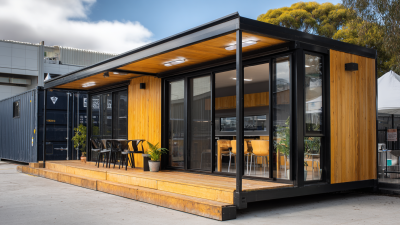
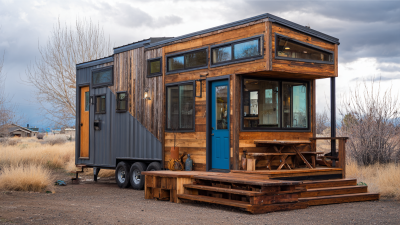
Top Portable Homes for 2025 Innovative Living Solutions You Need
As we navigate through an era marked by rapid changes in lifestyles and living preferences, the concept of portable homes is gaining significant attention. Renowned expert in sustainable architecture, Dr. Emma Hartley, asserts, "Portable homes not only provide flexibility but also address the pressing need for environmentally friendly living solutions." With innovative designs on the horizon, 2025 promises to unveil some of the most remarkable portable homes that cater to diverse needs, from urban dwellers seeking mobility to families looking for eco-conscious alternatives.
In this exploration of the top five portable homes for 2025, we delve into the cutting-edge technologies and designs that redefine modern living. These homes not only offer convenience and mobility but also emphasize sustainability and livability, allowing individuals to create their dream spaces anywhere they choose. By embracing the ethos of efficiency and adaptability, these innovative living solutions represent the future of homeownership.
Join us as we highlight these unique portable homes that exemplify the perfect blend of functionality, style, and environmental responsibility, paving the way for a new era of living that is both practical and elegant.
Top Trends in Portable Home Design for 2025
As we look towards 2025, the trends in portable home design are evolving to meet the demands of a more mobile and eco-conscious lifestyle. One of the most significant trends is the integration of sustainable materials. Designers are increasingly using reclaimed wood, recycled metals, and solar panels to create homes that not only reduce environmental impact but also offer aesthetic appeal. These materials not only enhance the durability of portable homes but also align with the growing consumer demand for eco-friendly living.
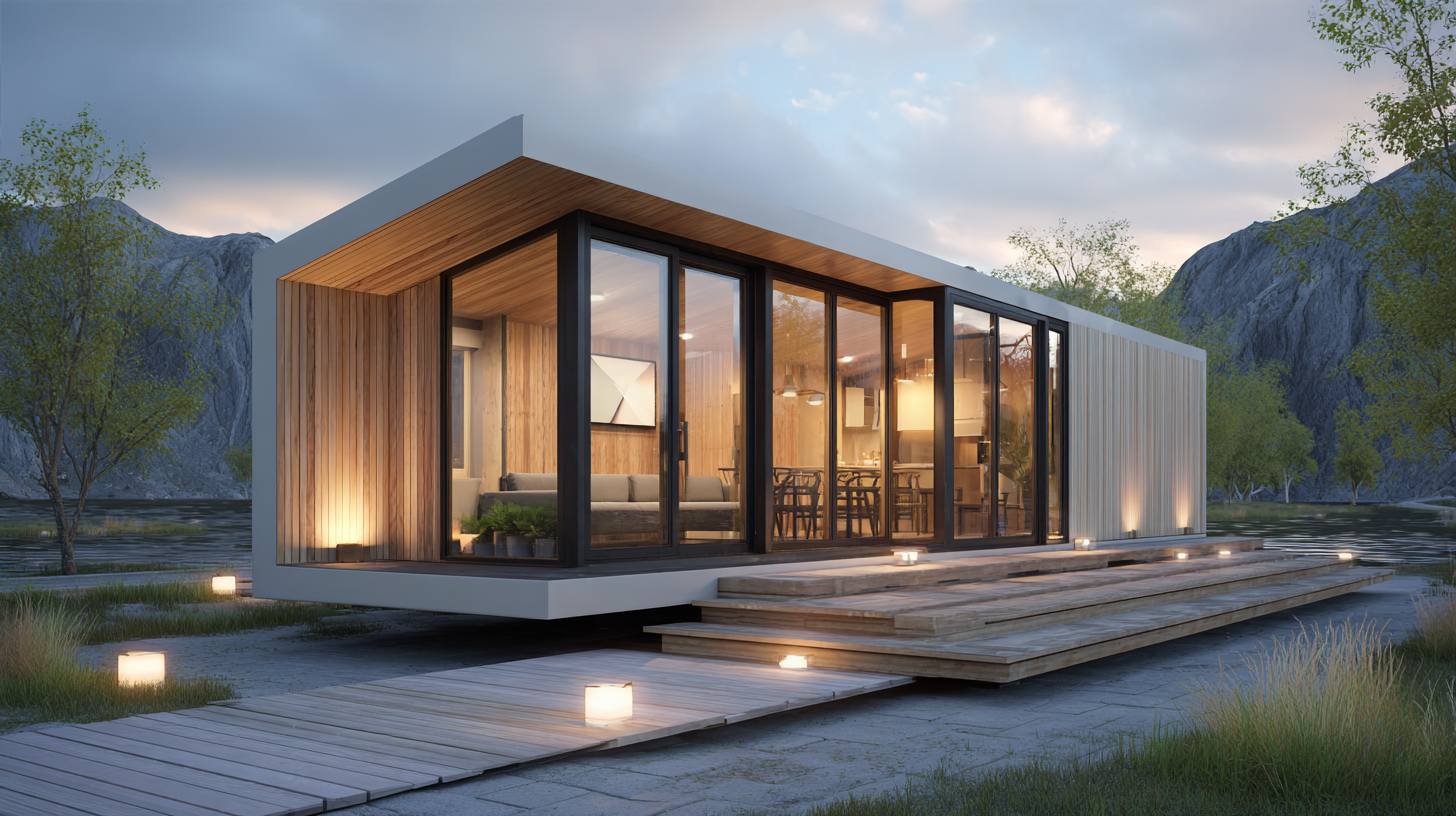
Another exciting trend is the incorporation of smart home technology in portable designs. By integrating IoT devices, homeowners can manage energy consumption, security, and climate control from their smartphones. This focus on connectivity allows for a seamless living experience, even in mobile environments. Additionally, modular designs are gaining popularity, providing flexibility to homeowners to expand or reconfigure their space according to their needs. This adaptability is essential as more people seek homes that can grow with their lifestyles, making portable living solutions both practical and innovative for the future.
Eco-Friendly Materials Transforming Portable Living Spaces
As the demand for portable homes continues to rise, eco-friendly materials play a pivotal role in transforming living spaces into sustainable havens. Innovations in materials such as recycled plastics, bamboo, and hempcrete are redefining how we think about mobility and comfort. These materials not only reduce the environmental footprint of portable homes but also enhance their durability and functionality. By utilizing sustainable resources, manufacturers are creating homes that are not just temporary but can offer long-term resilience against the elements while promoting health and well-being for their inhabitants.
Moreover, the integration of renewable energy solutions, such as solar panels and wind turbines, further amplifies the eco-conscious aspect of these living spaces. These advancements support a lifestyle that is both portable and self-sufficient, allowing residents to minimize reliance on traditional energy sources. As new technologies emerge, the fusion of innovative building materials and energy solutions will shape a future where portable homes are increasingly adaptable, comfortable, and environmentally responsible, catering to the needs of modern nomads and eco-warriors alike.
Technological Innovations Enhancing Mobile Home Comfort
As we approach 2025, the evolution of portable homes is being propelled by technological innovations that enhance both comfort and convenience. These modern mobile homes are increasingly equipped with smart technology that allows residents to control their living environment at the touch of a button. From adjustable lighting to climate control systems, these features provide a level of comfort that rivals traditional homes.
**Tip:** When selecting a portable home, prioritize smart home features that can improve your quality of life. Look for models that offer integrated systems for security, energy management, and climate control.
In addition to smart technology, sustainable materials and energy-efficient designs are becoming staples in portable home construction. Innovations such as solar panels and green roofing not only reduce the carbon footprint but also significantly cut down on energy costs. As more manufacturers focus on eco-friendly solutions, future residents will have access to homes that are both affordable and responsible.
**Tip:** Consider the long-term savings and environmental impact when choosing a portable home. Homes equipped with renewable energy sources can offer significant financial benefits over time.
Space-Saving Solutions for Modern Portable Homes
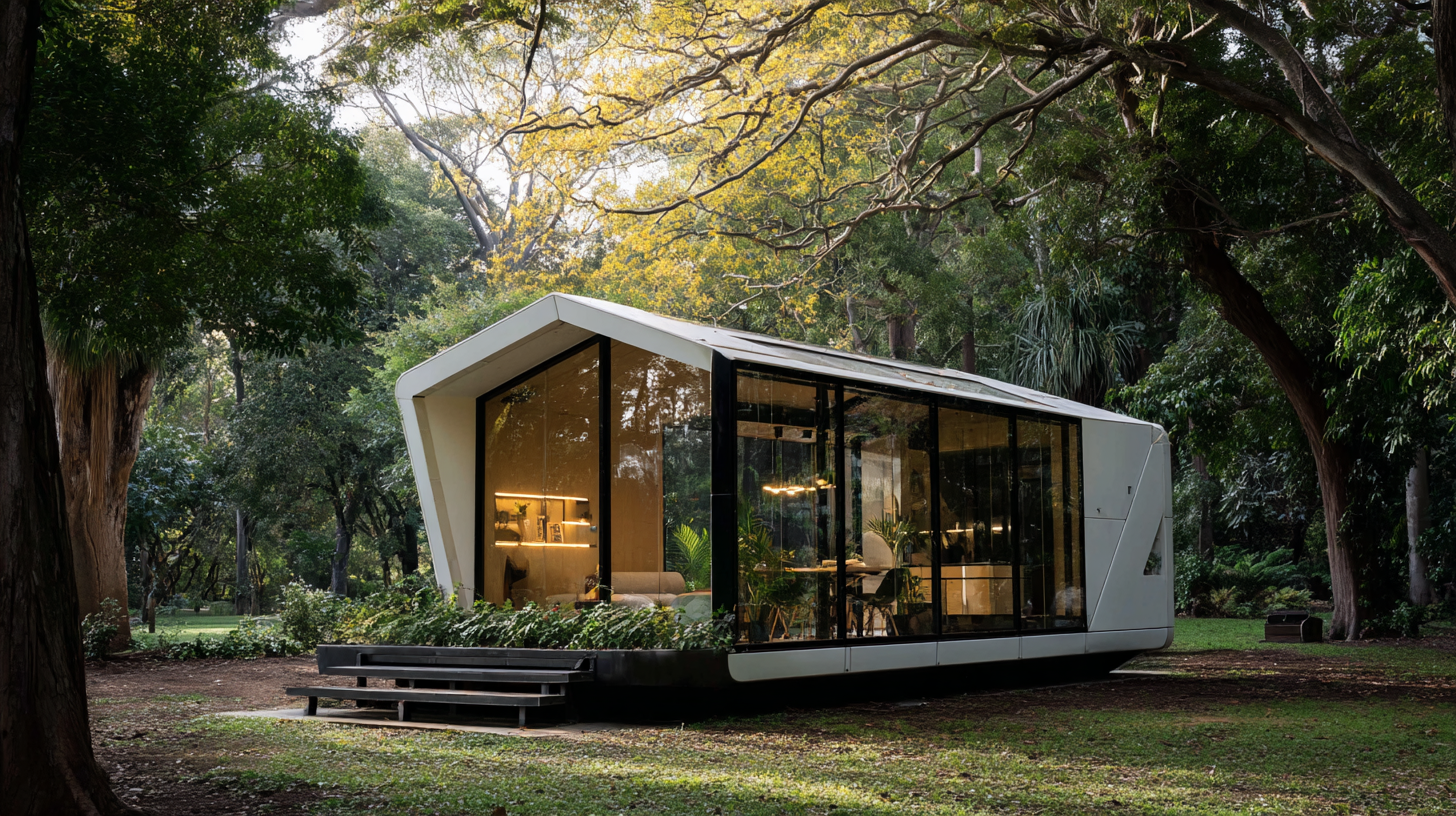
As urbanization continues to rise, the demand for innovative, space-saving solutions in portable homes is more critical than ever. According to a report from the National Association of Home Builders, over 15% of new single-family homes are now smaller than 1,500 square feet, emphasizing a shift towards minimalism and functionality in modern living. Consequently, 2025 is poised to showcase a remarkable array of portable homes that efficiently utilize every square inch while promoting sustainable living.
Among the top innovations, multi-functional furniture is leading the way in maximizing living space. Solutions like foldable tables and beds that integrate storage help homeowners maintain a clutter-free environment. A survey by the American Institute of Architects revealed that nearly 68% of architects are designing homes with adaptive spaces that serve multiple purposes, a trend that is likely to grow as more families opt for portable living solutions. With advancements in construction materials and technology, these homes not only save space but also provide eco-friendly options that cater to the environmentally conscious consumer.
Affordable Portable Home Options for Every Lifestyle
As we step into 2025, the demand for affordable portable homes continues to surge, catering to a diverse range of lifestyles and preferences. These innovative living solutions are not just about functionality; they blend comfort, sustainability, and affordability, making them an appealing choice for a wide audience. Options such as tiny homes, modular units, and convertibles are reshaping the way we perceive traditional housing, offering flexible living arrangements without compromising quality or style.
For budget-conscious individuals or families, portable homes made from eco-friendly materials provide cost-effective solutions that don’t skimp on aesthetics. Features like energy-efficient appliances and sustainable designs make these homes not only affordable but also environmentally friendly. Additionally, many portable home manufacturers are now offering customizable options, allowing residents to tailor their living spaces to fit their unique needs and preferences, whether for permanent residence or as a temporary getaway. This shift towards innovative, portable housing solutions presents an exciting opportunity for those looking to embrace a minimalist yet functional lifestyle in 2025 and beyond.
Top Portable Homes for 2025: Innovative Living Solutions
This chart displays the average prices of various portable home options for 2025, highlighting innovative living solutions suitable for different lifestyles. From compact living spaces to luxury models, these options cater to a wide range of needs.