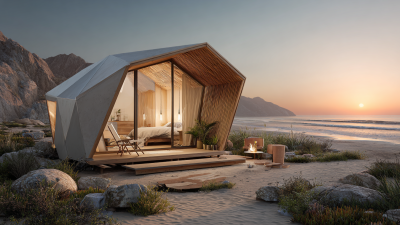
2025 Top Modern Tiny Homes Transforming the Housing Market with Sustainable Living Solutions
As the demand for sustainable living solutions continues to rise, the modern tiny homes movement is redefining the housing market. Leading experts in the field, such as renowned architect and tiny home advocate Andrew Morrison, have emphasized the transformative potential of these compact structures. Morrison once noted, "Modern tiny homes not only reduce environmental impact but also foster a sense of community and sustainability."
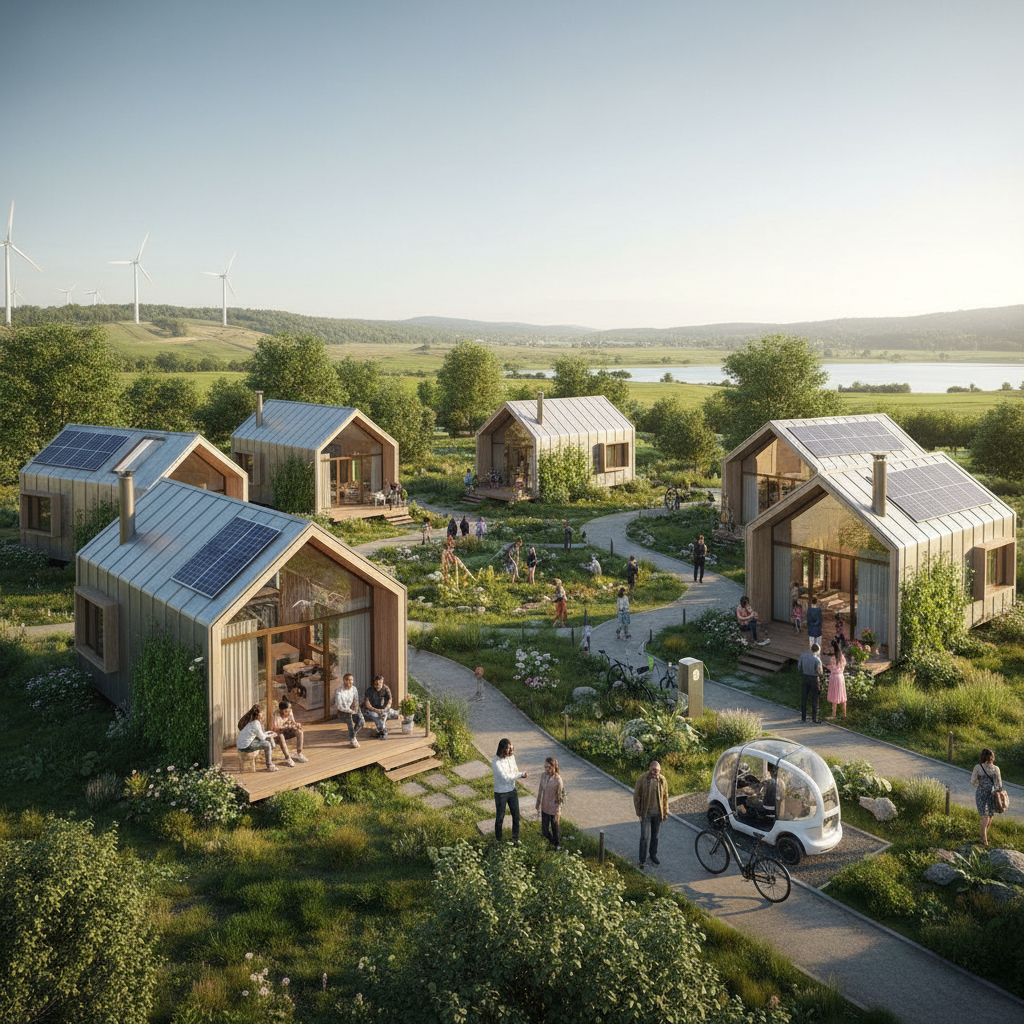
The allure of modern tiny homes lies in their ability to provide affordable and efficient living spaces that cater to a minimalist lifestyle. These innovative designs are not simply downsized versions of traditional houses; they incorporate cutting-edge technologies and sustainable materials to create functional and aesthetically pleasing environments. As we look towards 2025, the integration of smart home features and eco-friendly practices will further enhance the appeal of modern tiny homes, offering practical solutions for a growing population facing housing challenges.
In addition to addressing financial constraints, modern tiny homes promote a lifestyle that prioritizes experiences over possessions. This shift in consumer mindset is crucial as it aligns with broader environmental goals. By embracing the tiny home movement, individuals can participate in a revolution that champions sustainability while enjoying the benefits of simpler living. As we explore the top modern tiny homes set to make waves by 2025, we recognize their role in shaping a brighter, more sustainable future for all.
The Rise of Tiny Homes: A Sustainable Solution for Modern Living
The rise of tiny homes signifies a transformative shift in the way we approach modern living, particularly in the context of sustainability. As the population becomes increasingly urbanized, traditional housing options are reaching a tipping point, driving many to seek innovative alternatives that are not only economically feasible but also environmentally responsible. Tiny homes, which typically range from 100 to 400 square feet, provide a practical solution to these pressing issues by maximizing space utilization while minimizing environmental footprints.
Sustainable living solutions embedded within tiny homes embrace eco-friendly materials, energy-efficient appliances, and innovative designs that promote a simpler, more meaningful lifestyle. By reducing resource consumption and fostering a connection to nature, these compact dwellings appeal to individuals and families looking for ways to live with intention.
Furthermore, the affordability of tiny homes makes them an attractive option for first-time buyers and those burdened by high housing costs, thus contributing to a more equitable housing market. This movement not only offers a remedy to housing crises but also encourages a shift toward conscious living, where residents prioritize quality over quantity in their living environments.
Innovative Designs: How Top Tiny Homes Maximize Space and Functionality
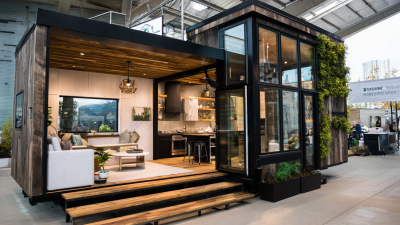
Modern tiny homes are redefining the concept of living space by combining sustainable living with innovative designs that maximize both space and functionality. With an increasing desire for eco-friendly solutions, these homes are ingeniously crafted to make the most of every square foot. Features like multi-purpose furniture, open floor plans, and built-in storage solutions allow residents to live comfortably without compromising style or efficiency.
Tip: When designing or selecting a tiny home, consider incorporating furniture that serves dual purposes, such as a murphy bed that folds away when not in use or a dining table that expands for guests. This enables you to maintain a spacious feel in your home while still having the functional elements you need.
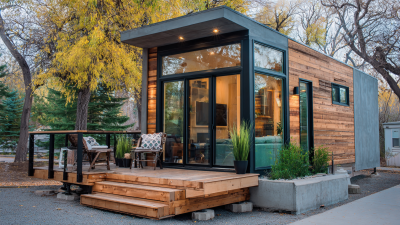
Moreover, many of these top modern tiny homes emphasize the importance of natural light and ventilation. Large windows and skylights not only create the illusion of a larger space but also reduce the reliance on artificial lighting. Integrating indoor greenery can further enhance the atmosphere while providing natural air purification.
Tip: Strategically place mirrors to reflect light, making rooms appear bigger and brighter. Choose lighter paint colors that open up space visually and create a more airy environment, enhancing the overall comfort of your tiny home.
Environmental Impact: Tiny Homes as a Model for Sustainable Building Practices
Tiny homes are increasingly becoming a pivotal model for sustainable building practices, demonstrating that less can indeed be more. With their small footprint, these homes consume fewer resources during construction and maintain lower energy requirements for heating, cooling, and overall maintenance. The integration of eco-friendly materials and energy-efficient technologies not only reduces environmental impact but also promotes a lifestyle of minimalism and conscious consumption.
**Tips for Sustainable Tiny Home Living**:
1. Choose recycled or reclaimed materials for construction to minimize new resource extraction. This not only preserves nature but also adds unique character to your home.
2. Incorporate solar panels and rainwater collection systems to harness natural resources, reducing reliance on conventional utilities. This can significantly lower your carbon footprint while promoting energy independence.
3. Embrace a minimalist lifestyle by prioritizing essential belongings, which can lead to reduced waste and lower overall consumption.
As the tiny home movement grows, it sparks a cultural shift towards rethinking traditional housing norms, pushing for sustainable solutions that can be adapted in various urban and rural environments.
Impact of Tiny Homes on Sustainable Living: 2025 Insights
This chart illustrates the environmental impact of modern tiny homes in 2025 by showcasing their potential reductions in energy consumption, water usage, and waste generation compared to traditional homes. These statistics underscore the viability of tiny homes as a sustainable housing solution.
Affordability and Accessibility: Tiny Homes in the Housing Market Transformation
The rising cost of traditional housing has made homeownership increasingly out of reach for many, leading to a growing interest in tiny homes as a viable solution. These compact living spaces not only offer affordability but also promote sustainable living practices. With an emphasis on minimalism and maximum efficiency, tiny homes encourage residents to downsize their possessions and reduce their carbon footprint, making them an attractive option for those seeking a more eco-friendly lifestyle.
Moreover, tiny homes enhance accessibility to housing in urban areas where space is at a premium. By utilizing smaller plots of land and innovative design principles, these homes can be integrated into existing neighborhoods without requiring vast amounts of space. Community-driven initiatives and zoning reforms are beginning to recognize the value of tiny homes, further paving the way for diverse housing options that cater to various income levels. As they gain popularity, tiny homes are not just reshaping individual living experiences but also contributing to a larger movement towards inclusivity and sustainability in the housing market.
Community Living: Fostering Connection and Sustainability through Tiny House Villages
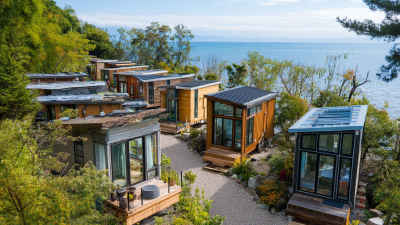
The concept of community living is gaining momentum as tiny house villages emerge as a viable solution to modern housing challenges. These villages not only provide affordable housing options but also create environments that foster connection among residents. By living in close proximity, individuals can build meaningful relationships, share resources, and cultivate a sense of belonging, which is increasingly essential in today’s fast-paced, often isolating society.
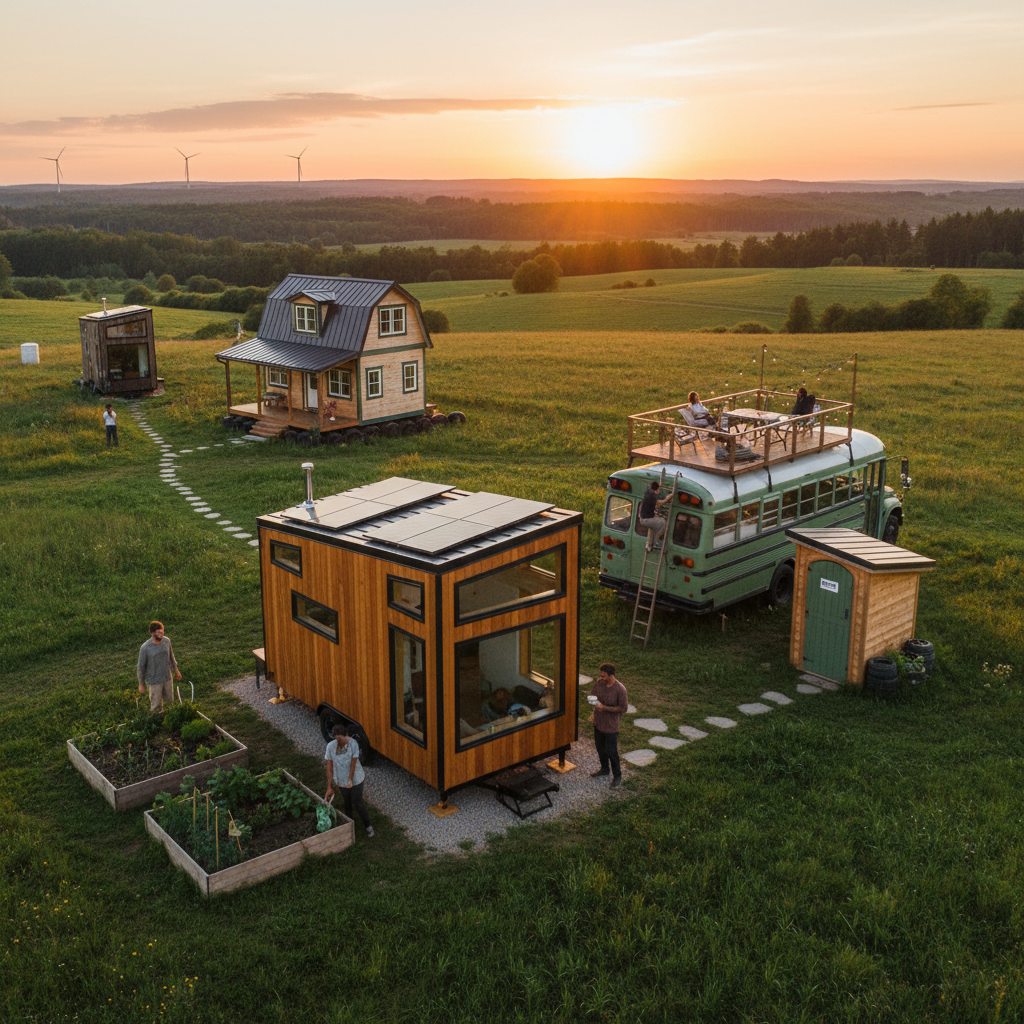
Sustainability is another cornerstone of tiny house villages. With a focus on eco-friendly materials and minimalistic lifestyles, residents can significantly reduce their carbon footprints. Community gardens, shared energy sources, and cooperative initiatives enhance the sustainability of these living spaces. By prioritizing connection and environmental responsibility, tiny house villages represent a transformative approach to housing that aligns with the principles of a more sustainable future. As more people seek both community and ecological balance, the appeal of tiny house living will likely continue to reshape the housing market for years to come.
2025 Top Modern Tiny Homes Transforming the Housing Market with Sustainable Living Solutions
| Model |
Size (sq ft) |
Bedrooms |
Sustainability Features |
Price ($) |
| EcoNest |
320 |
1 |
Solar Panels, Recycled Materials |
45,000 |
| Green Haven |
400 |
1 |
Rainwater Harvesting, Composting Toilet |
50,000 |
| Tiny Oasis |
250 |
1 |
Wind Turbine, Energy Efficient Windows |
35,000 |
| The Minimalist |
300 |
1 |
Low-Flow Appliances, LED Lighting |
40,000 |
| Sustainable Living Pod |
360 |
1 |
Bamboo Flooring, Natural Insulation |
48,000 |