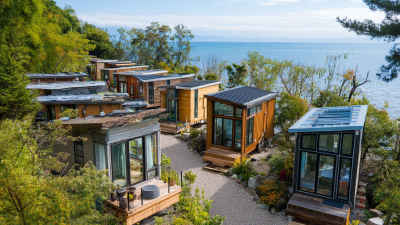
2025 Top 10 Tiny Home Models You Need to Know For Sustainable Living
In an era where sustainability and minimalism are becoming increasingly important, tiny home models are rapidly gaining popularity among those seeking a simpler, eco-friendly lifestyle. These compact living spaces not only reduce our environmental footprint but also promote financial freedom and a stronger connection to nature. As we look towards 2025, it's essential to familiarize ourselves with the top ten tiny home models that exemplify innovative design, functionality, and sustainability.
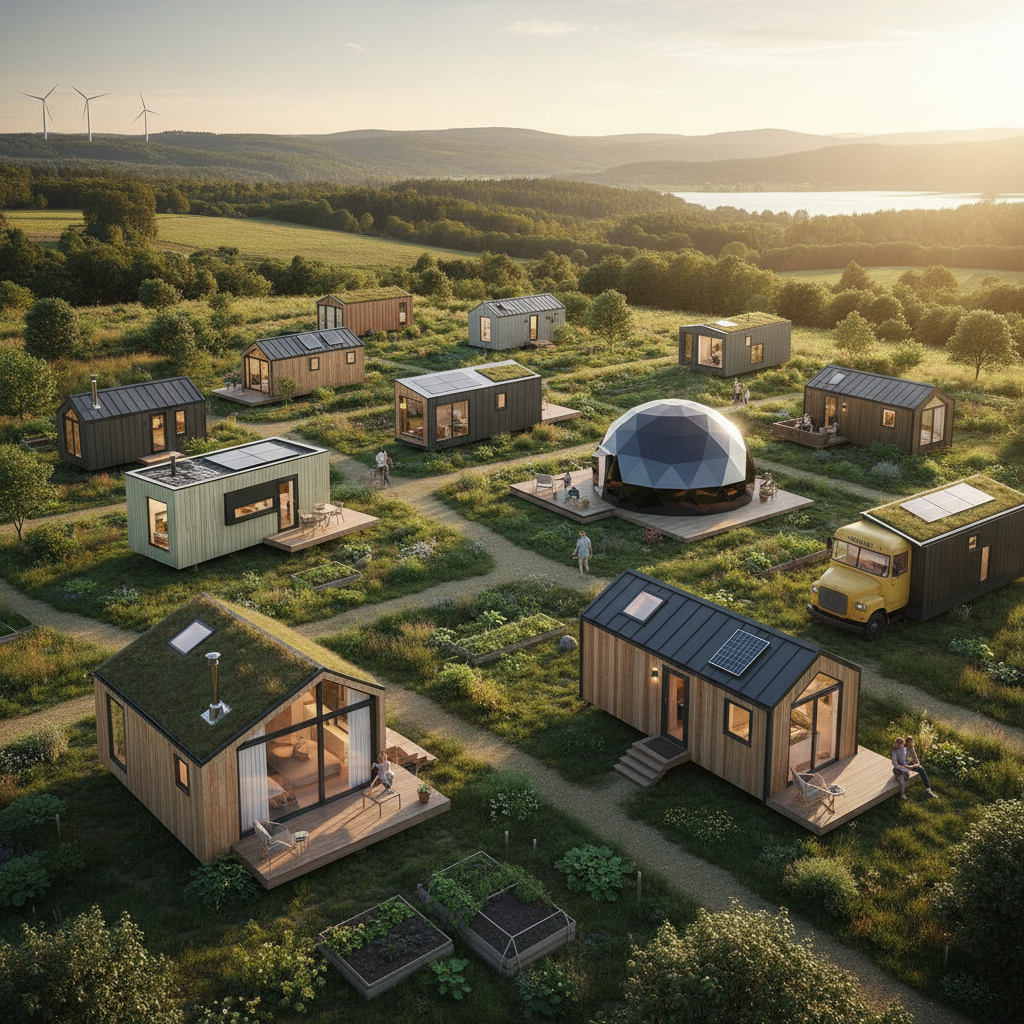
These tiny homes offer diverse options for individuals, couples, and families, showcasing how efficient use of space can lead to a comfortable and stylish living environment. From off-grid solutions to modern aesthetics, the featured tiny home models highlight the adaptability and creativity that characterize this growing movement. Whether you are considering a full-time tiny house or a secondary dwelling, understanding these options will empower you to make informed decisions and embrace a more sustainable lifestyle in the coming years. Join us as we explore the remarkable world of tiny homes and discover the potential they hold for both personal well-being and environmental stewardship.
Innovative Design Features for 2025 Tiny Homes That Promote Sustainability
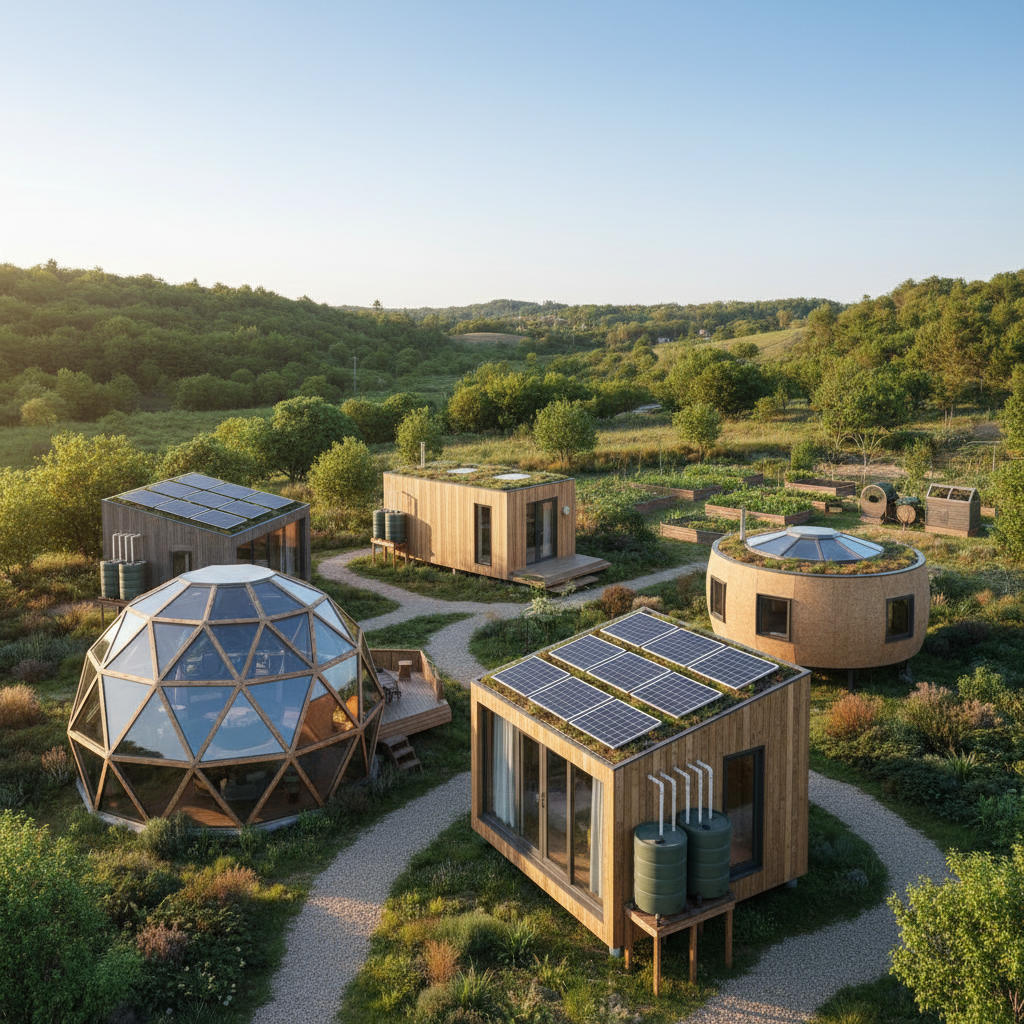
As we move towards a more sustainable future, the tiny home movement is gaining momentum, with innovative designs leading the charge in 2025. The emphasis on eco-friendly materials and energy efficiency has never been greater. According to a report by the Global Eco-Housing Association, sustainable housing options are expected to grow by 15% annually. Tiny homes, typically less than 400 square feet, incorporate features such as solar panels, rainwater harvesting systems, and high-quality insulation that collectively reduce the carbon footprint and utility costs for homeowners.
2025 models showcase cutting-edge technologies that promote sustainability, including smart homes equipped with energy management systems. These systems adjust energy usage based on occupancy and peak times, thus optimizing efficiency. Additionally, biophilic design elements, which integrate nature into living spaces, not only enhance the aesthetics but also improve indoor air quality, fostering a healthier environment. A recent study by the National Association of Home Builders found that homes with green certifications enjoy 20% higher resale values, underlining the financial benefits of investing in sustainable living. This fusion of design and sustainability positions tiny homes as a viable solution for environmentally-conscious individuals seeking a minimalist lifestyle.
Top Eco-Friendly Materials Used in 2025 Tiny Home Models
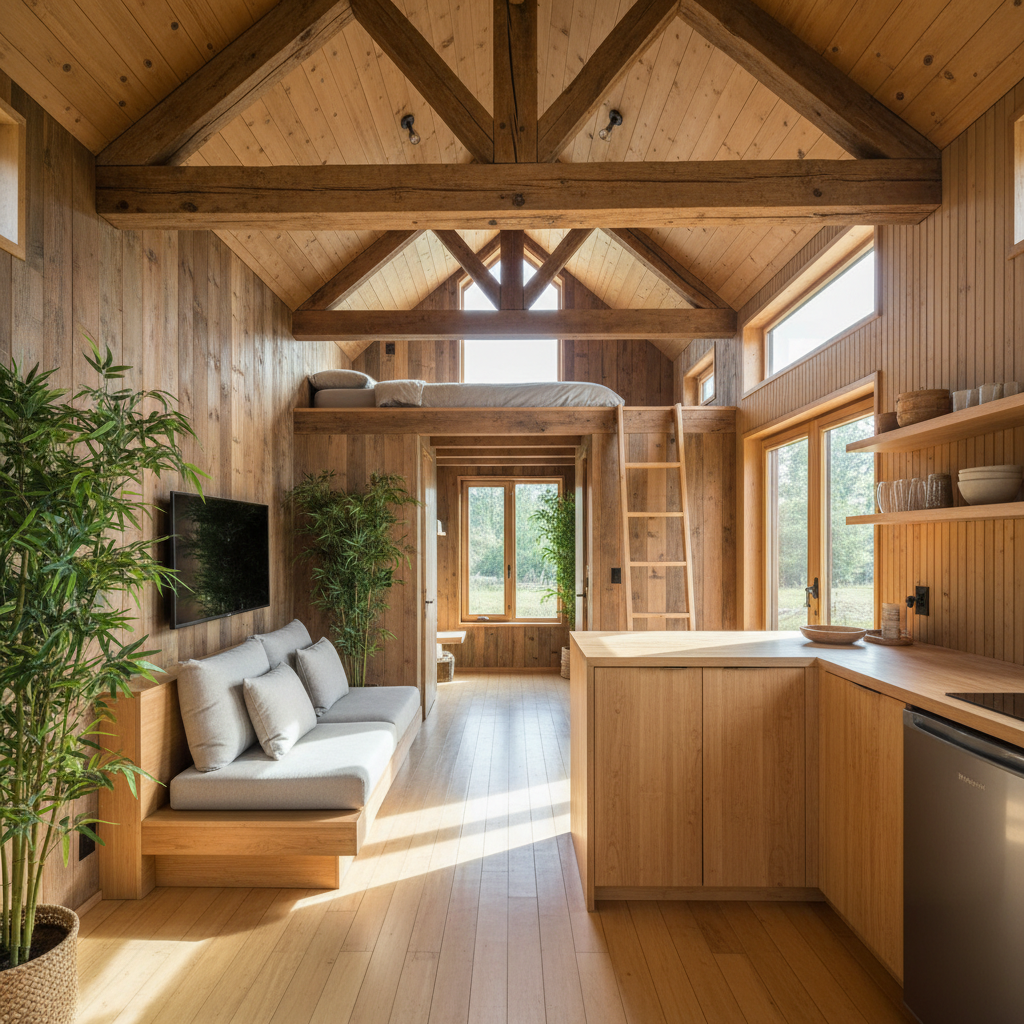
When considering a tiny home in 2025, the choice of materials plays a crucial role in promoting sustainable living. Modern tiny homes are increasingly constructed with eco-friendly materials that not only minimize environmental impact but also enhance energy efficiency. One popular option is reclaimed wood, which reduces the demand for new timber and adds a unique aesthetic character to homes. Additionally, bamboo has risen in popularity due to its rapid growth and renewability, making it an ideal choice for flooring and furniture.
Tips for selecting eco-friendly materials include sourcing local products to reduce transportation carbon footprints and opting for those that are certified sustainable. Look for certifications like FSC (Forest Stewardship Council) for wood products or Energy Star labels for appliances, as these ensure responsible sourcing and energy efficiency.
Another effective strategy involves incorporating natural insulation materials, such as sheep’s wool or hemp, which offer excellent thermal properties while being biodegradable. Choosing finishes and paints that are low in volatile organic compounds (VOCs) will further enhance the indoor air quality of your tiny home, making it a healthier living space. By focusing on these materials, you can create a tiny home that is not only stylish but also deeply rooted in sustainability.
Efficient Space Utilization in 2025's Most Popular Tiny Homes
In 2025, the philosophy of sustainable living continues to evolve, with
tiny homes leading the way in efficient space utilization. The most popular tiny home models have embraced innovative design solutions that maximize functionality without sacrificing comfort. With a smaller footprint, these homes cleverly incorporate multi-purpose furniture and built-in storage options, allowing residents to maintain a minimalist lifestyle while enjoying the comforts of modern living.
One standout model features a modular layout that adapts to the owner's needs, showcasing the power of flexibility. By integrating foldable tables, pull-out beds, and hidden compartments, these homes transform limited space into versatile living areas. Additionally, large windows and open floor plans create an illusion of spaciousness, enhancing the overall living experience.
This focus on efficiency not only encourages sustainable practices but also highlights a growing movement towards mindful consumption and living more harmoniously with the environment.
Leading Smart Home Technology Integration in the Latest Tiny Models
The tiny home movement is gaining momentum as homeowners seek sustainable living solutions that don't compromise on technology. The integration of smart home technology into the latest tiny home models is revolutionizing how we think about space and energy efficiency. According to a report from the American Institute of Architects, over 70% of new small home designs feature smart technology, showing a significant shift towards more automated living spaces. Features like smart thermostats, LED lighting systems, and energy monitoring devices are not only enhancing comfort but also reducing energy consumption.
In 2025, the top tiny home models are expected to include advanced automation, optimizing every inch of space while prioritizing sustainability. Data from the Home Innovation Research Labs indicates that homes equipped with smart technologies can reduce utility bills by approximately 15-30%. This means that tiny homes, often already energy-efficient due to their size, can become even more economical. As consumers become increasingly interested in environmentally friendly living, builders are focusing on integrating IoT devices that allow for remote monitoring and control, providing further incentives to embrace tiny living lifestyles.
2025 Top 10 Tiny Home Models for Sustainable Living
This chart displays the energy efficiency ratings of the top 10 tiny home models, highlighting their integration with smart home technology.
Cost-Effective Living: Budgeting for Your 2025 Tiny Home Adventure
As the tiny home movement continues to gain momentum, budgeting for your 2025 tiny home adventure becomes crucial in ensuring sustainable living without financial strain. Industry reports indicate that the average cost of a tiny home ranges between $30,000 to $60,000, significantly lower than the median price of a traditional house, which was approximately $400,000 in 2023. This stark difference allows homeowners to invest more in sustainable materials and technologies, such as solar panels or energy-efficient appliances, enhancing their ecological footprint.
Moreover, cost-effective living extends beyond just the initial investment. According to the National Association of Home Builders, tiny homeowners can save up to 50% on utilities compared to regular homes due to their smaller size and efficient designs. Additionally, the reduced maintenance requirements of a tiny home (often cited as being 30% less than larger homes) contribute to long-term savings. By planning your budget carefully and prioritizing essential features, you can embark on your tiny home journey with confidence, knowing you're making a sound financial decision for both your wallet and the planet.
2025 Top 10 Tiny Home Models You Need to Know For Sustainable Living
| Model |
Size (sq ft) |
Price ($) |
Key Features |
Sustainability Rating |
| Compact Haven |
200 |
25,000 |
Solar panels, rainwater collection |
High |
| Eco Oasis |
250 |
30,000 |
Energy-efficient appliances |
Very High |
| Minimalist Retreat |
180 |
22,000 |
Natural materials, off-grid |
High |
| Green Haven |
300 |
35,000 |
Green roofing, LED lighting |
Excellent |
| Nomad Cabin |
220 |
28,000 |
Portable, built from recycled materials |
Very High |
| Sustainable Escape |
260 |
33,000 |
Rainwater collection, geothermal heating |
Excellent |
| Forest Dweller |
200 |
24,000 |
Natural insulation, eco-friendly finishes |
High |
| Desert Retreat |
240 |
32,000 |
Passive solar design, low-water landscaping |
Very High |
| Waterfront Cabin |
280 |
40,000 |
Water-saving fixtures, open design |
Excellent |
| Countryside Haven |
300 |
38,000 |
Local materials, high-efficiency windows |
High |