Top 10 Modern Tiny Homes for Sustainable Living Solutions?
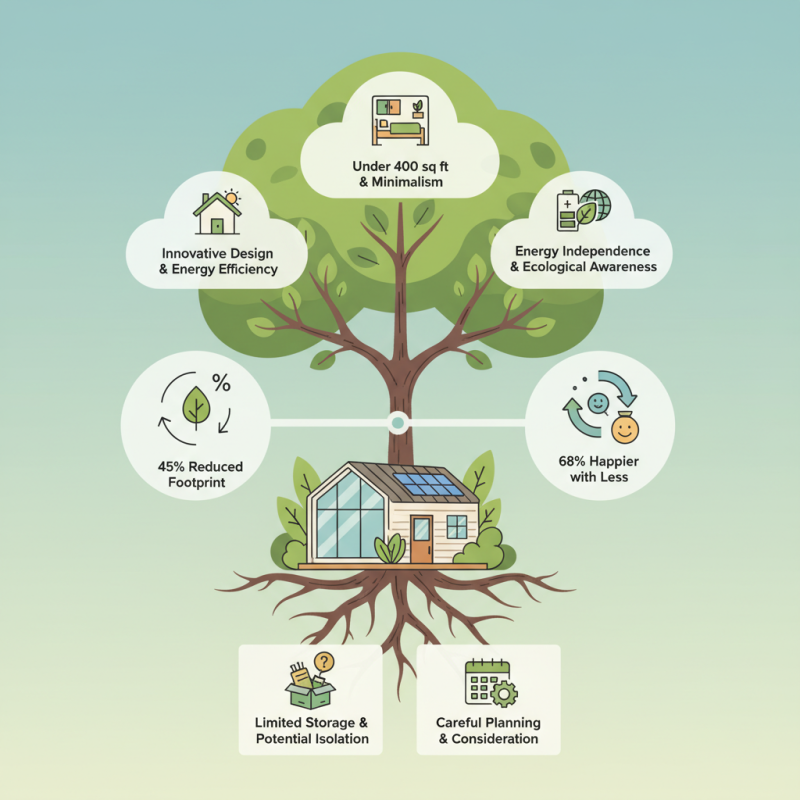
As urban populations grow, many are seeking alternatives to traditional housing. Modern tiny homes emerge as a fitting solution for sustainable living. According to the American Institute of Architects, tiny homes can reduce an individual's carbon footprint by up to 45%. This statistic underscores their potential impact on our environment.
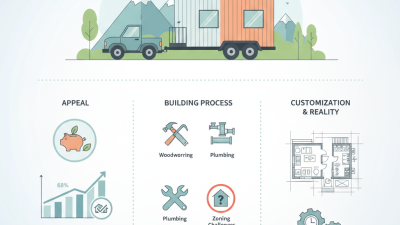
Modern tiny homes offer innovative design and energy efficiency. They range in size but typically measure under 400 square feet. This compact living encourages minimalism and resourcefulness. It forces homeowners to reevaluate their possessions and prioritize needs over wants. Reports show that 68% of tiny homeowners feel happier with less. Yet, living in a smaller space does pose challenges, such as limited storage and potential isolation.
With the right approach, modern tiny homes can support a sustainable lifestyle. They symbolize a shift towards energy independence and ecological awareness. However, the transition requires careful planning and consideration. It’s important to recognize that while tiny homes present unique benefits, they also demand sacrifices. To many, this contradictory nature invites reflection on what truly constitutes a fulfilling life.
Defining Modern Tiny Homes and Their Role in Sustainability
Modern tiny homes represent a shift towards sustainable living. These compact dwellings use fewer resources and reduce waste. According to a study from the American Tiny House Association, tiny homes typically require 80% less energy than conventional homes. This efficiency supports lowering carbon footprints, a crucial factor in combating climate change.
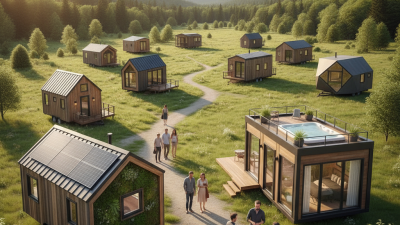
The design of these homes often includes eco-friendly materials and innovative technology. Solar panels, rainwater harvesting systems, and composting toilets are common features. These elements further enhance sustainability. However, challenges exist, such as zoning laws and space limitations. Many tiny home dwellers find it difficult to locate suitable land. Additionally, the initial costs may be high despite long-term savings.
Sustainability in tiny homes extends beyond energy use. They encourage minimalist lifestyles, promoting less consumption overall. Residents often report increased happiness from decluttering their lives. Yet, rethinking social norms around home size can be tough for many. Changes in perception take time and effort. Nevertheless, tiny homes contribute significantly to a more sustainable future.
Top 10 Modern Tiny Homes for Sustainable Living Solutions
Key Features of Sustainable Tiny Homes That Promote Eco-Friendly Living
Sustainable tiny homes offer innovative solutions for eco-friendly living. These compact spaces often prioritize energy efficiency. Well-insulated walls and solar panels are common features. Such elements reduce energy consumption significantly. A tiny home can create a smaller carbon footprint and lower utility costs.
Rainwater harvesting systems can be installed in these homes. This approach promotes water conservation. Many designs incorporate composting toilets, which reduce waste and use minimal water. Natural materials are often used in construction, creating healthier living environments. However, some may find space limitations challenging for daily life. This can require careful planning and organization.
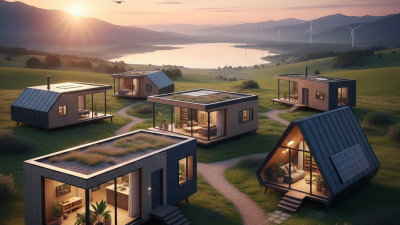
Landscaping also plays a crucial role. Native plants not only enhance beauty but also support local ecosystems. Green roofs can further improve insulation and reduce runoff. While sustainable tiny homes aim for efficiency, the transition can be difficult. Adapting to a smaller living space requires lifestyle adjustments that not everyone is ready to embrace. Thoughtful design and sustainable practices can help make this lifestyle rewarding despite the challenges.
Top 10 Examples of Innovative Tiny Homes for Sustainable Solutions
The growing trend of tiny homes reflects a shift towards sustainability. According to a recent report by the National Association of Home Builders, 30% of new home buyers express interest in tiny homes due to their environmental benefits. These dwellings often use fewer resources and promote a simpler lifestyle.
Innovative designs are key to making tiny homes functional and sustainable. For instance, many tiny homes incorporate solar panels, rainwater harvesting systems, and composting toilets. These solutions can reduce utility costs significantly. A study from the American Institute of Architects found that tiny homes can use up to 90% less energy than traditional homes.
However, there are challenges. Zoning laws can restrict tiny home placement in many areas. Not all communities welcome these structures. Additionally, living in such limited spaces can be mentally and emotionally demanding. The reflection on how much space we truly need is necessary. Tiny living pushes us to confront and reassess our consumer habits and values.
Top 10 Modern Tiny Homes for Sustainable Living Solutions
| Home Model |
Size (sq ft) |
Materials Used |
Key Features |
Estimated Cost (USD) |
| EcoNest |
400 |
Sustainable wood, bamboo |
Rainwater collection, solar panels |
$70,000 |
| Tiny House on Wheels |
300 |
Recycled materials, wood |
Mobility, off-grid capable |
$55,000 |
| GreenPod |
480 |
Reclaimed wood, steel |
Energy-efficient, spacious |
$85,000 |
| Container House |
320 |
Shipping containers |
Durable, eco-friendly |
$60,000 |
| Hemp House |
500 |
Hempcrete, bamboo |
Natural insulation, sustainable |
$90,000 |
| Solar Tiny House |
350 |
Wood, solar panels |
Fully solar-powered |
$75,000 |
| EcoChic |
400 |
Eco-durable materials |
Stylish, modern design |
$80,000 |
| Minimalist Retreat |
250 |
Timber, recycled materials |
Simple, functional |
$50,000 |
| The Zen Den |
350 |
Natural wood, stone |
Calming design |
$65,000 |
| Nomad Cabin |
320 |
Locally sourced wood |
Portable, rustic charm |
$58,000 |
Design and Space Optimization Techniques in Modern Tiny Homes
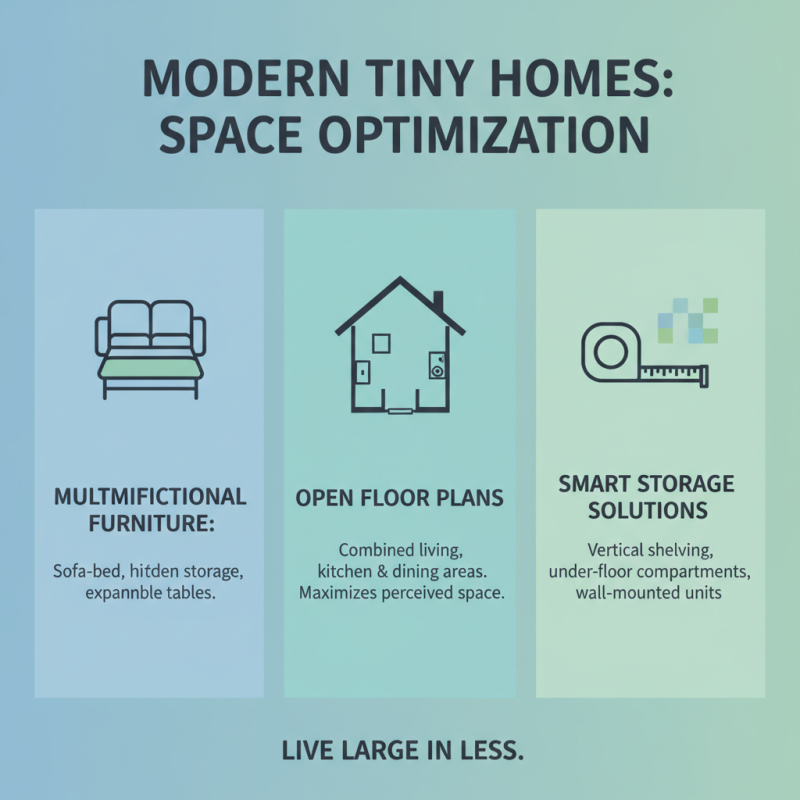
In modern tiny homes, design and space optimization are crucial for sustainable living. With limited square footage, using every inch wisely makes a big difference. Creative solutions often include multifunctional furniture that serves dual purposes, such as a sofa that converts into a bed. Open floor plans enhance the sense of space, making small homes feel more expansive.
Plants play a vital role in these tiny dwellings. Adding greenery can improve air quality and create a calming environment. Vertical gardens or wall planters maximize space while bringing nature indoors. Remember, using natural materials for decor can enhance the aesthetic and promote sustainability.
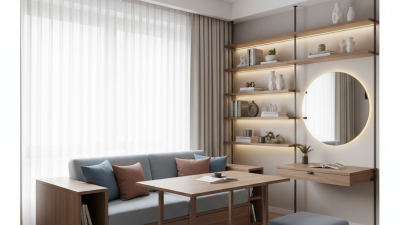
Tips for design: Consider built-in storage solutions. Shelves and cabinets that integrate into walls can declutter. Use light colors for walls to create an illusion of more space. Also, maximize natural light with large windows. Reflect on your needs thoroughly, as minimalist living requires thoughtful choices to ensure comfort and functionality.
Building and Maintenance Considerations for Sustainable Tiny Living
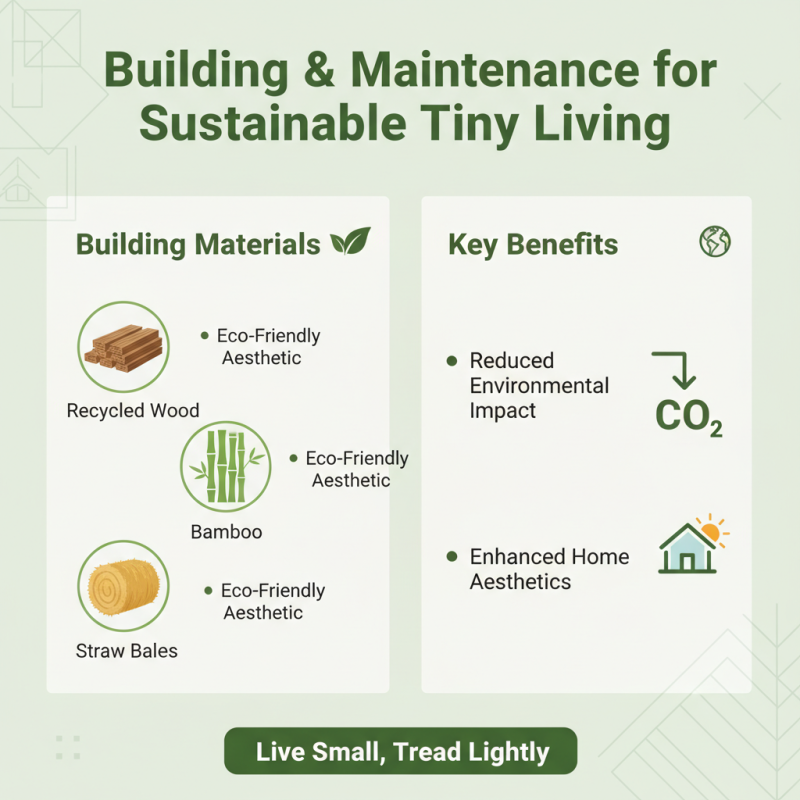
When considering sustainable tiny living, building and maintenance are crucial. Opt for eco-friendly materials that reduce environmental impact. Recycled wood, bamboo, and straw bales are excellent choices. These materials not only promote sustainability but also enhance the aesthetic appeal of your tiny home.
Tips: Ensure proper insulation to minimize energy costs. This prevents heat loss during winter. Look into passive solar design principles to utilize natural light effectively.
Regular maintenance is key to longevity. Keep your roof, windows, and plumbing in check. Small leaks can lead to bigger problems. Monitor these areas closely to prevent damage. Remember, tiny living requires discipline and proactive care. It might feel overwhelming at times, but attention to detail pays off.
Consider your lifestyle when designing your space. Don’t overestimate your storage needs. Choose multi-functional furniture to maximize space and reduce clutter. Aim for a balance between comfort and efficiency, and always reassess your needs as you adapt to tiny living.