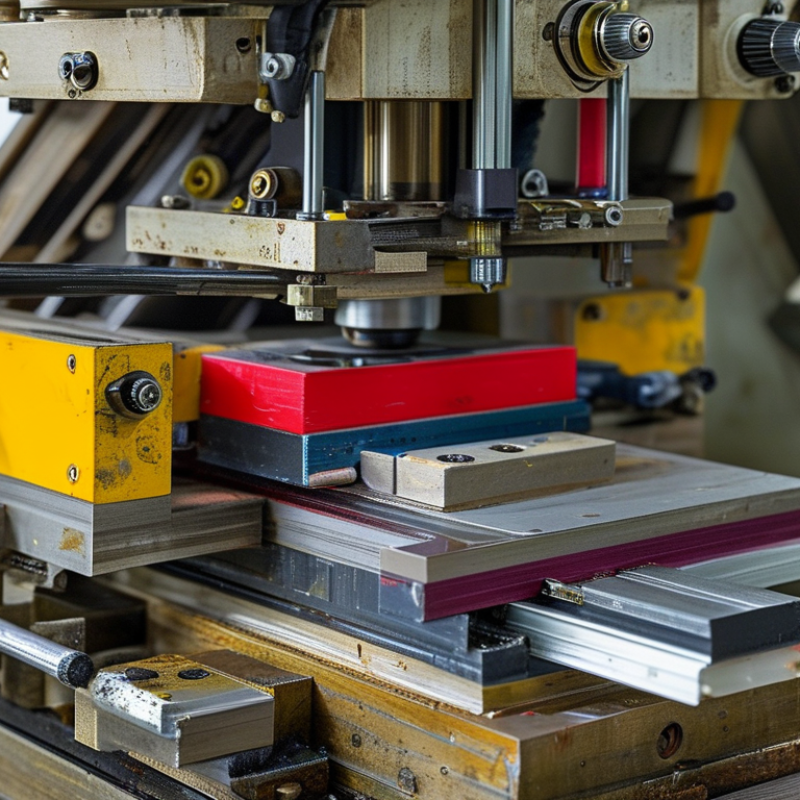
Top Tips for Using a Rotary Die Cutting Machine Effectively?
Using a Rotary Die Cutting Machine can elevate your production quality and efficiency. This versatile tool is essential for various industries, from packaging to crafting. Understanding its features is crucial for optimal results.
Many users struggle with setup and operation. Familiarizing yourself with the machine's components is vital. Proper alignment can prevent common issues, ensuring precise cuts and reducing material waste. Failing to maintain the machine may cause inaccuracies over time.
Experimentation is key when using a Rotary Die Cutting Machine. Adjustments can lead to better outcomes. However, it's important to document your settings to replicate successful runs later. Embrace the learning curve, and don't shy away from mistakes. Each error can provide valuable lessons for improvement.
Understanding the Basics of Rotary Die Cutting Machines
Rotary die cutting machines are essential tools in the world of crafting and manufacturing. Understanding how they work can enhance your efficiency. These machines utilize cylindrical dies to cut various materials, such as paper and fabric. Their design allows for rapid production and precise cuts, making them ideal for high-volume tasks.
Proper setup is crucial. Regularly check the die alignment to ensure clean cuts. Misalignment can lead to wasted materials and time. It’s also important to monitor the pressure settings. Too much pressure might warp delicate materials. Conversely, insufficient pressure results in incomplete cuts. Experiment with different settings to find the sweet spot for your specific projects.
Don’t overlook maintenance. Regularly clean the machines to avoid buildup that can cause inaccuracies. A well-maintained rotary die cutting machine lasts longer and performs better. Keep an eye on wear and tear. Noticing small issues early can save bigger problems later. Reflect on your experiences, and continuously adapt your techniques for improved results.
Key Factors Influencing Die Cutting Efficiency and Quality
When using a rotary die cutting machine, several key factors affect both efficiency and quality. One major aspect is the choice of materials. Different substrates will respond uniquely to the die cutting process. For example, thicker materials may require more pressure, while thinner substrates could tear easily. Regular testing is essential to achieve optimal results.
Another important factor is the blade sharpness. Dull blades can lead to uneven cuts, resulting in wasted materials. Regular maintenance is crucial. It’s also wise to have a schedule for blade replacement based on usage. This strategy can improve both cut quality and machine lifespan, minimizing downtime.
Temperature and humidity can also influence the die cutting process. High humidity may cause materials to become too pliable, while low humidity can make them brittle. It’s beneficial to monitor environmental conditions and make adjustments as needed. Reflection on these factors can lead to improved efficiency in your operations. Understanding the nuances of your machine and materials can enhance both quality and productivity.
Best Practices for Material Selection and Preparation
When using a rotary die cutting machine, selecting and preparing materials is crucial for optimal results. Different materials have unique properties that can impact the cutting process. For example, a heavier cardstock demands a sharper blade and more pressure. In contrast, lighter materials may require less force. Understanding these characteristics can drastically improve your efficiency.
Tip: Always test a small piece of your material before the main run. This practice helps identify any issues with cutting depth or blade sharpness. If your test piece comes out poorly, reevaluate your setups. Adjustments in pressure or speed may be needed.
The alignment of your material is equally important. Misalignment can lead to uneven cuts, wasting both time and materials. Take time to ensure that everything is squared up before you start. Keep an eye on temperature and humidity, too; these factors can alter how materials behave under pressure. Regularly check your equipment's calibration as well to maintain consistency.
Maintenance and Troubleshooting Tips for Optimal Performance
Maintaining a rotary die cutting machine is crucial for ensuring optimal performance. Regular inspection is key. Check for worn blades, excessive debris, and alignment issues. According to a recent industry report, about 20% of production downtime results from poor maintenance practices. Keep your workspace clean to prevent particles from affecting the die cutting process. This proactive approach not only extends machine life but also improves product quality.
Troubleshooting common issues can seem daunting. A misalignment can lead to uneven cuts. Look for inaccuracies in the setup. Many users overlook basic calibrations, which can result in increased material waste. Keep records of any machine calibrations and adjustments. This data can identify recurring issues and help in making necessary modifications. As you gather information over time, you’ll gain insights into best practices and potential flaws in your process. If the problems persist, consulting with industry professionals can provide additional expertise.
Top Tips for Using a Rotary Die Cutting Machine Effectively
| Tip | Description | Maintenance Frequency | Troubleshooting Action |
| Regular Cleaning | Clean the machine parts regularly to prevent buildup of debris. | Weekly | If cuts are uneven, check for debris around the blades. |
| Blade Sharpening | Ensure blades are sharpened regularly for optimal performance. | Monthly | If cutting pressure is low, inspect and sharpen blades. |
| Calibration Checks | Regularly check the calibration to ensure precise cutting. | Bi-monthly | If margins are inconsistent, recalibrate the machine. |
| Lubrication | Lubricate moving parts to reduce friction and wear. | Every 6 months | If there are grinding noises, inspect and apply lubricant. |
| Material Inspection | Inspect materials for imperfections before cutting. | Before each use | If cuts are tearing, check material quality. |
Safety Protocols for Operating Rotary Die Cutting Machines
Operating rotary die cutting machines can be hazardous without proper safety protocols. According to the Occupational Safety and Health Administration (OSHA), approximately 2.5 million reported workplace injuries occur annually. Adhering to safety guidelines can drastically reduce these incidents.
Ensure that operators wear personal protective equipment (PPE) such as safety glasses and gloves. Loose clothing can easily get caught in moving parts, leading to injuries. Regular maintenance checks are essential. Over 30% of machine-related accidents stem from poorly maintained equipment. Operators must be trained to recognize safety hazards associated with the die cutting process.
Emergency stop buttons must be easily accessible. All employees should know their location. Training sessions on emergency procedures can save lives. The American National Standards Institute (ANSI) reports that compliance with safety standards can reduce hazards significantly. Implementing a thorough safety checklist before operation is beneficial. Simple measures create a safer working environment.