Top Tips for Purchasing Manufactured Tiny Homes Today?
The market for manufactured tiny homes is rapidly gaining traction. According to the 2022 Tiny Homes Industry Report, sales of tiny homes increased by 30% compared to the previous year. This trend reflects a growing interest in minimalism and sustainable living. As more people seek affordable housing options, understanding key factors in purchasing manufactured tiny homes becomes crucial.
Potential buyers must navigate a variety of choices and challenges. These homes often promise financial freedom but can come with hidden costs, such as land leasing and maintenance fees. The National Association of Home Builders states that while construction costs for tiny homes are lower, quality can vary significantly. This inconsistency may affect long-term enjoyment and value.
Researching reputable manufacturers and understanding local zoning laws is essential. Many regions have stringent regulations, which can complicate placement. Additionally, prospective owners should consider customization options that suit their lifestyles, balancing personal preferences with functionality. This reflection on needs can lead to more satisfying ownership experiences. The journey to owning a manufactured tiny home is rewarding but requires careful consideration and planning.
Understanding the Definition and Benefits of Manufactured Tiny Homes
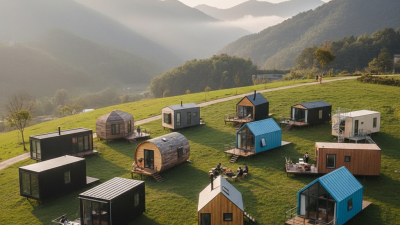
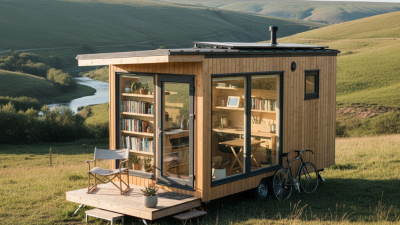
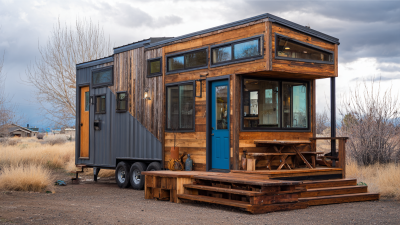
Manufactured tiny homes are gaining popularity for several reasons. They offer a streamlined lifestyle, reduced environmental impact, and lower living costs. Understanding the definition of these homes is crucial. A manufactured tiny home is built in a factory and then transported to your chosen location. This process allows for quality control and can lead to faster construction times compared to traditional homes.
When considering purchasing a manufactured tiny home, research is vital. Investigate building materials, insulation, and energy-efficient systems. Look for homes that meet safety standards. Evaluate the design and layout to ensure it meets your needs. Personalization options can help create a space that feels uniquely yours.
It’s also beneficial to connect with current owners. Their experiences can provide valuable insights. They can share both joys and challenges of living in a tiny home. Keep in mind that living in a smaller space requires adjustments. Decluttering and maximizing storage become essential. Overall, investing in a manufactured tiny home can lead to a fulfilling and less stressful lifestyle.
Evaluating Key Factors: Location, Size, and Layout of Tiny Homes
When considering the purchase of a manufactured tiny home, evaluating key factors like location, size, and layout is crucial. A recent industry report indicates that tiny homes typically range from 100 to 400 square feet. Choosing the right size impacts comfort and functionality. For instance, a higher square footage allows for more storage solutions, but might sacrifice the coze aesthetics much sought after in tiny living.
Location plays a pivotal role in the investment potential of tiny homes. Reports suggest that tiny homes in urban areas can appreciate faster due to limited housing options. Affordable land in suburban and rural settings may seem attractive, yet accessibility to resources and amenities can be more challenging. Thoughtfully choosing a location that aligns with personal goals can contribute to satisfaction over time.
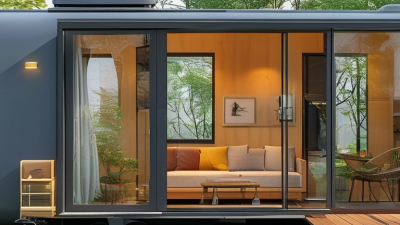
Furthermore, the layout of a tiny home can greatly influence the living experience. Open floor plans promote flexibility and spaciousness, though they may feel cramped if not designed efficiently. Incorporating multi-functional furniture is popular but can sometimes lead to unforeseen inconveniences. The balance between aesthetics and functionality should be carefully considered. Building trust in your decision comes from understanding and reflecting on these essential aspects.
Key Factors in Purchasing Manufactured Tiny Homes
Analyzing the Cost Breakdown: What to Expect When Purchasing
When purchasing a manufactured tiny home, understanding the cost breakdown is crucial. The average price of these homes ranges from $30,000 to $100,000, depending on size and features. Reports indicate that over 50% of buyers allocate their budget for customization. This step enhances livability but may lead to unexpected expenses.
Material costs can significantly impact your overall budget. High-quality materials may increase the initial investment but can reduce long-term maintenance. For instance, considering energy-efficient windows can save you on utility bills. Additionally, consider land costs, which may vary widely based on location. In urban settings, these prices can double.
Evaluate your financing options critically. Many buyers overlook the long-term implications of loans. Securing a favorable interest rate can make a notable difference over a 15- or 30-year period. While you may find enticing deals, ensure the loan aligns with your financial goals. Investigate land lease agreements as they can also affect your financial planning.
It's important to recognize potential pitfalls like hidden fees. Be wary of additional costs related to transport, installation, or utilities. Some expenses might not be obvious during initial negotiations. Being informed and proactive can lead to a more satisfactory purchase experience.
Top Tips for Purchasing Manufactured Tiny Homes Today? - Analyzing the Cost Breakdown: What to Expect When Purchasing
| Cost Category |
Estimated Cost Range |
Description |
| Base Model Cost |
$30,000 - $80,000 |
Price for the basic tiny home model, varying by size and design. |
| Land Purchase |
$10,000 - $50,000 |
Cost of land, highly dependent on location and acreage. |
| Utilities Setup |
$5,000 - $15,000 |
Estimation includes water, sewer, electricity, and gas connections. |
| Transportation Costs |
$1,000 - $5,000 |
Moving the tiny home to the chosen location. |
| Insurance |
$500 - $1,500 annually |
Homeowner’s insurance for tiny homes, varies based on coverage. |
| Maintenance |
$300 - $1,200 annually |
General upkeep and repairs, can vary widely. |
Exploring Financing Options: Loans and Grants for Tiny Home Buyers
When considering financing options for purchasing a manufactured tiny home, exploring loans and grants is essential. Many buyers overlook available resources, which can lead to unnecessary financial strain. There are specific loans tailored for tiny home purchases, often offering lower interest rates and flexible repayment terms. This can make a significant difference for those on a tight budget.
Grants are another avenue worth investigating. Various nonprofit organizations and government programs may provide financial assistance to tiny home buyers. These funds do not need to be repaid, making them particularly attractive. It's crucial to research eligibility requirements, as they can vary widely.
Navigating these options may seem daunting. Buyers should take the time to read the fine print. Understanding loan terms and potential hidden fees can reveal surprising costs. Reflecting on personal financial situations and long-term plans is vital before making any commitments. Knowing what financial support is available can empower buyers to make informed decisions.
Navigating Legal Considerations: Zoning Laws and Building Codes
When purchasing a manufactured tiny home, understanding zoning laws is crucial. These laws determine where you can place your home. Many areas have restrictions. For example, residential zones might not allow tiny homes at all. Always check with local authorities. They provide essential information on what is permissible.
Building codes also require attention. These codes set standards for safety and quality. They ensure your home is structurally sound and can withstand local weather. Some codes differ significantly between locations. Ignoring them can lead to costly mistakes. You might have to make expensive modifications later.
Consider consulting with a professional familiar with local regulations. This can save you time and effort. Be aware that laws change frequently. Staying informed is vital. Relying on outdated information could be risky. Embrace the research process. It adds value to your investment. Respect for these legal considerations will ensure a smoother transition into your new tiny home.