Why Tiny Trailer Homes Are the Future of Affordable and Sustainable Living
In an era where housing costs soar and sustainability becomes increasingly crucial, tiny trailer homes emerge as a beacon of hope for affordable living. These compact, mobile dwellings not only provide a cost-effective solution for individuals and families seeking shelter but also align with the growing demand for eco-friendly lifestyles. The charm of tiny trailer homes lies in their ability to offer a minimalistic yet functional living space, allowing residents to downsize their possessions and live more consciously.
Tiny trailer homes symbolize a shift toward a simpler way of life, catering to those who prioritize experiences over material accumulation. By reducing their environmental footprint and embracing a nomadic lifestyle, inhabitants of these homes contribute significantly to sustainability efforts. The growing popularity of tiny trailer homes is a reflection of a broader trend towards innovative housing solutions that challenge traditional notions of ownership and space. As we delve into the many benefits and potential of tiny trailer homes, it becomes clear that they represent not only a practical alternative but also an inspiring movement toward a more sustainable and affordable future.

The Rise of Tiny Trailer Homes in Modern Housing Trends
The rise of tiny trailer homes signifies a transformative shift in modern housing trends, driven by growing demands for affordability and sustainability. As urban areas become increasingly congested and housing prices soar, many individuals and families are recognizing the benefits of downsizing their living spaces.
Tiny trailer homes offer a practical solution, requiring less financial investment while providing the flexibility to relocate easily. This mobility appeals to a generation seeking adventure without sacrificing the comforts of home, aligning perfectly with the minimalist lifestyle many aspire to embrace.
In addition to economic considerations, tiny trailer homes are designed with sustainability in mind. These compact living spaces often utilize eco-friendly materials and technologies, enabling inhabitants to reduce their carbon footprint. Many of these homes incorporate solar power, efficient insulation, and water-saving features, making them a smart choice for environmentally-conscious consumers. This shift towards smaller, more efficient living spaces fosters community and encourages a more simplistic approach to life, as residents prioritize experiences and connections over material possessions. The popularity of tiny trailer homes illustrates a broader movement towards innovative, sustainable, and affordable living solutions that align with contemporary values.
Key Features of Tiny Trailer Homes for Sustainable Living
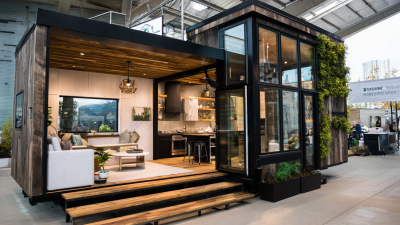
Tiny trailer homes are rapidly gaining popularity as a viable solution for affordable and sustainable living. One of the key features of these homes is their compact design, which allows for efficient use of space. With cleverly integrated storage solutions and multifunctional furniture, tiny trailers can optimize every square foot, making them not just livable, but comfortable. This maximized space encourages minimalist lifestyles, reducing the need for excessive belongings and ultimately promoting a more sustainable way of living.
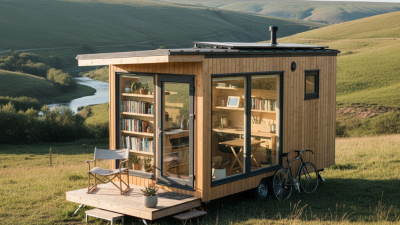
Another significant aspect of tiny trailer homes is their energy efficiency. Many designs incorporate eco-friendly materials and features such as solar panels, rainwater collection systems, and energy-efficient appliances. These elements not only lower utility costs for residents but also minimize the ecological footprint of each home. In addition, the mobility of trailer homes allows individuals to choose locations that harness natural resources effectively, enhancing their sustainability. With these features, tiny trailer homes are positioned to promote a lifestyle that harmonizes with the environment while remaining accessible and affordable.
Why Tiny Trailer Homes Are the Future of Affordable and Sustainable Living
Economic Benefits of Choosing Tiny Trailer Homes
Tiny trailer homes are gaining popularity for their economic benefits, making them an attractive choice for many individuals and families. One of the most significant advantages is the considerably lower initial investment compared to traditional houses. The cost of materials, labor, and land can be vastly reduced, allowing homeowners to invest in quality finishes or savings rather than facing mortgage debt that often stretches for decades. This affordability opens the door for a broader range of people to achieve homeownership, particularly first-time buyers or those with limited income.
In addition to lower purchase costs, tiny trailer homes often come with reduced ongoing expenses. These compact spaces require less energy to heat and cool, leading to lower utility bills. Their smaller size also encourages minimalism and intentional living, reducing the overall consumption of goods and resources. Furthermore, many tiny trailer home setups allow for mobility, providing the flexibility to relocate without the burdens associated with traditional real estate transactions. As more individuals prioritize financial freedom and sustainability, tiny trailer homes are becoming a practical and appealing solution for modern living.
Environmental Impact of Tiny Living on Urban Development
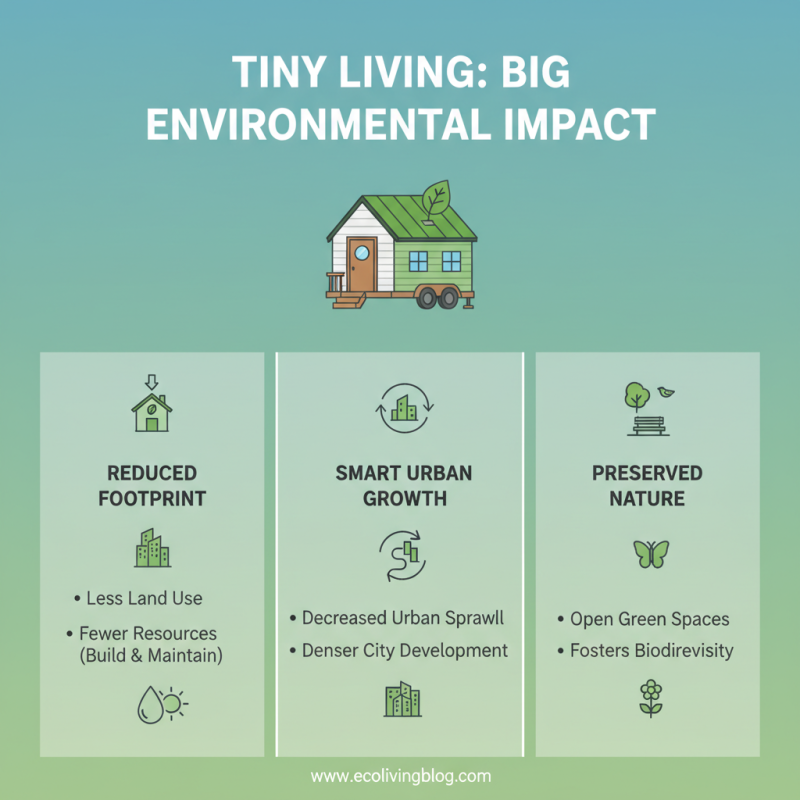
The environmental impact of tiny living extends far beyond individual benefits, reshaping urban development in numerous ways. Tiny trailer homes minimize the ecological footprint by occupying less land and requiring fewer resources to build and maintain. This kind of housing promotes a decrease in urban sprawl, allowing for denser development within existing city limits. By concentrating living spaces, cities can preserve open green areas, forests, and agricultural land, thus fostering biodiversity and reducing habitat loss.
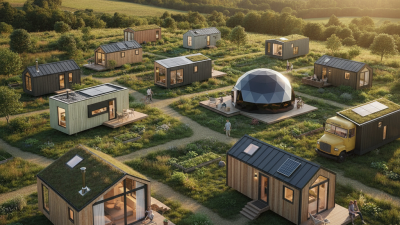
Moreover, the simplicity and efficiency inherent in tiny living encourage sustainable practices among their inhabitants. With limited space, residents are often inclined to downsize their possessions, leading to reduced consumption and waste. The design of these homes often incorporates eco-friendly materials and energy-efficient systems, reducing overall energy consumption. As tiny homes proliferate in urban settings, they challenge traditional housing norms and inspire innovative approaches to city planning, such as integrating communal spaces that further promote environmental stewardship and community engagement. Thus, tiny trailer homes not only present a solution for affordable living but also pave the way for sustainable urban environments.
Challenges and Solutions in the Tiny Trailer Home Movement
The tiny trailer home movement is gaining traction as a viable solution for affordable and sustainable living, yet it faces several challenges that need addressing. One of the primary obstacles is zoning laws and building codes that often do not accommodate these compact dwellings. According to the American Tiny House Association, over 50% of respondents in their survey cited legal restrictions as a significant barrier to tiny living. This regulatory landscape makes it difficult for many individuals to find suitable land where they can legally place their trailer homes, limiting access to this lifestyle.
Another challenge is the perception of trailer homes as temporary or less valuable living options. However, data from the National Association of Realtors indicates a growing acceptance of alternative housing as a legitimate investment, with tiny homes appreciating at a rate comparable to traditional homes. The key to overcoming this stigma lies in educating potential buyers and communities on the environmental benefits; tiny trailer homes typically use fewer resources, are easier to heat and cool, and appeal to a minimalist lifestyle that many are seeking today. Innovative design solutions, such as multi-functional furniture and renewable energy installations, can further enhance the functionality and appeal of these homes, helping to break down misconceptions and promote widespread acceptance.