What Are Tiny Homes and Why Are They Becoming So Popular
Tiny homes have emerged as a fascinating trend in modern living. These compact dwellings offer a unique and minimalist lifestyle. Every square foot counts in a tiny home. People are drawn to their affordability and sustainability. The idea of downsizing appeals to many. Living in a smaller space encourages a simpler life.
In a world dominated by excess, tiny homes challenge conventional living. Residents often find joy in decluttering and prioritizing what truly matters. These homes can be beautifully designed, yet they also pose challenges. Limited space requires creative solutions, and not everyone adapts easily. Some struggle with the loss of traditional comforts.
Still, tiny homes provide a sense of community. Many tiny home enthusiasts share experiences and tips online. This movement promotes environmentally friendly living. However, it also calls for reflection on one’s needs and desires. Tiny homes push individuals to rethink their lifestyle choices and values. The popularity of tiny homes signals a shift in how we view housing and happiness.
Definition of Tiny Homes and Their Key Features
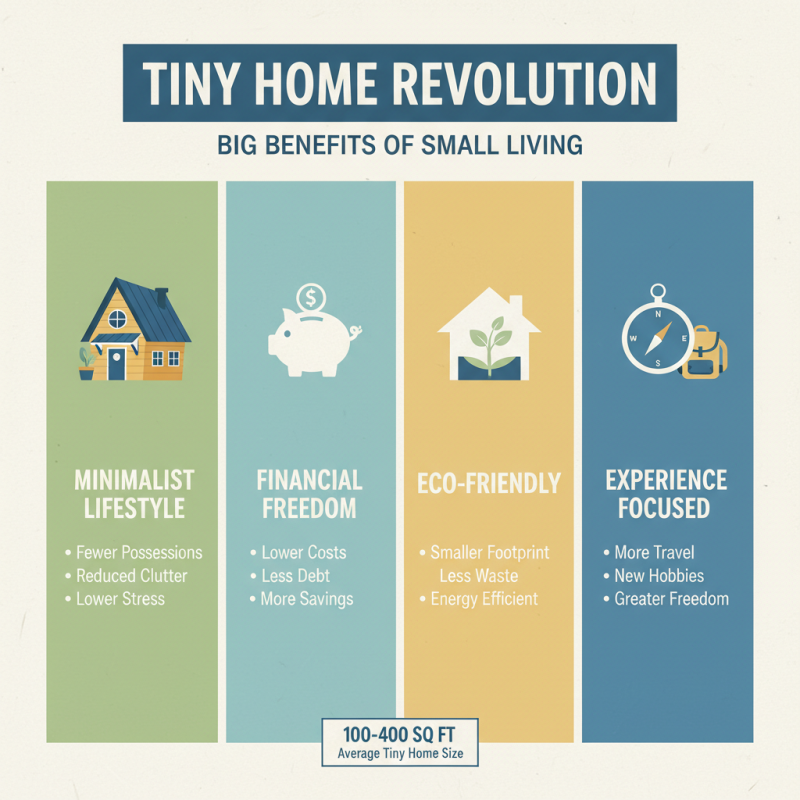
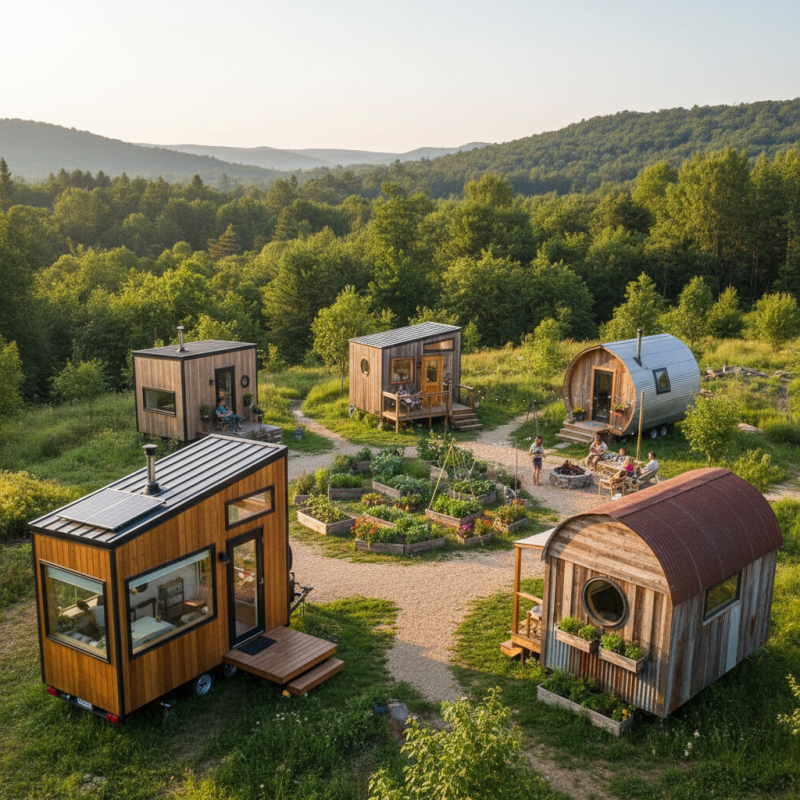
Tiny homes are small, efficient living spaces typically ranging from 100 to 400 square feet. Their compact design encourages minimalism and sustainability. Often built on trailers for mobility, these homes maximize functionality without sacrificing comfort. Features commonly include multi-purpose furniture, high ceilings, and smart storage solutions. This design resonates with many people seeking a simpler lifestyle.
Tips: Embrace minimalism. Before moving, declutter your possessions. Only keep what you truly need. This step simplifies the transition.
These homes often come with eco-friendly materials and energy-efficient appliances. Many prioritize natural light and open layouts, creating a sense of spaciousness. The charm of tiny homes lies in their ability to foster closeness with nature. However, living in such limited space can be challenging.
Tips: Carefully plan your layout. Consider how each item will fit and function. Challenge yourself to only include essentials.
Finding the right balance between comfort and space can feel overwhelming at times. It's important to reflect on your lifestyle choices. Tiny homes encourage creativity. You might stumble upon design flaws. Learn and adapt as you go.
Popularity of Tiny Homes Over the Years
Tiny homes have gained significant popularity in recent years, as reflected in the increasing number of sales. From only 15,000 units sold in 2016, the figure has skyrocketed to an estimated 100,000 units by 2023. This trend highlights the growing demand for affordable, sustainable living options.
Historical Background and Evolution of Tiny Homes
Tiny homes have a rich history that dates back to various cultures embracing minimal living. The concept gained traction in the 20th century, particularly during the 1960s counterculture movement. People sought simpler lives, free from mainstream consumerism. According to a 2020 report, the tiny home market has grown by 7% annually, indicating a shift toward sustainable living.
These homes often reflect a response to rising housing costs. In many cities, affordability has become a crisis. Tiny homes offer an alternative, providing a solution for those who seek financial independence. A 2021 study highlighted that about 68% of tiny home dwellers report lower living expenses. However, this lifestyle can pose challenges. Limited space forces occupants to downsize belongings significantly. Not everyone may adjust to such constraints easily.
Tip: When considering a tiny home, evaluate your storage needs carefully. Minimalism may sound appealing, but it requires commitment.
As tiny homes evolve, they influence local zoning laws and housing policies. Their impact raises important questions about community living and property rights. Although many embrace the movement, critics argue that it can lead to urban sprawl. Understanding these dynamics is crucial for a balanced perspective.
Tip: Research local regulations before diving in. Compliance can save future headaches.
Factors Driving the Popularity of Tiny Homes Today
Tiny homes are gaining traction across the globe. Their popularity stems from various factors, notably affordability and the desire for minimalism. According to a recent survey, over 60% of tiny homeowners cite financial freedom as a primary motivation. These homes typically cost around 25% less than traditional houses.
The rising awareness of environmental issues also plays a crucial role. Tiny homes usually have a smaller carbon footprint. They promote sustainable living through energy-efficient designs. Around 70% of potential buyers express concern for the environment. They see tiny homes as a way to reduce waste and conserve resources.
**Tip:** Consider how much space you really need. Downsizing can free up funds for travel or hobbies.
Social trends also drive this movement. Many people seek a sense of community. Tiny home villages are popping up, fostering connections among residents. This communal living offers support and shared resources.
**Tip:** Explore local tiny home communities. Engaging with others can clarify your vision.
While tiny homes aren't for everyone, they offer a new perspective on living. Their charm lies in simplicity and intentional choices. Yet, potential buyers should reflect on the challenges of smaller spaces.
What Are Tiny Homes and Why Are They Becoming So Popular
| Factor |
Description |
Impact on Popularity (%) |
| Affordability |
Tiny homes are generally less expensive than traditional homes, making them accessible to more people. |
45 |
| Sustainability |
Smaller homes consume fewer resources and have a lower environmental footprint, attracting eco-conscious buyers. |
35 |
| Minimalism |
The tiny home movement encourages a minimalist lifestyle, focusing on experiences over possessions. |
40 |
| Mobility |
Many tiny homes are built on wheels, allowing homeowners to relocate easily while maintaining their lifestyle. |
30 |
| Community Living |
Tiny home communities promote a sense of belonging and shared values among residents. |
25 |
Benefits of Living in a Tiny Home
Tiny homes have surged in popularity due to a variety of benefits. These compact dwellings typically average around 100 to 400 square feet. They encourage a minimalist lifestyle. Fewer possessions often lead to reduced stress. In fact, studies show that clutter can increase anxiety levels. Living small allows for more focus on experiences rather than things.
Financial savings are another major advantage. According to the National Association of Realtors, tiny homes cost about 60% less than conventional houses. Lower utility bills are also a plus. Many tiny homes are designed to be energy-efficient. This reduces the overall carbon footprint. However, zoning regulations can complicate tiny home ownership. Not every area welcomes these innovative living spaces.
Community is often stronger among tiny home residents. Many live in intentional communities that foster connections. Yet, living in close quarters can also pose challenges. Privacy becomes a premium and personal space may be limited. Finding the right balance can take time. Overall, tiny homes offer a unique lifestyle that appeals to many, albeit with some adjustments required.
Challenges and Considerations of Tiny Home Ownership
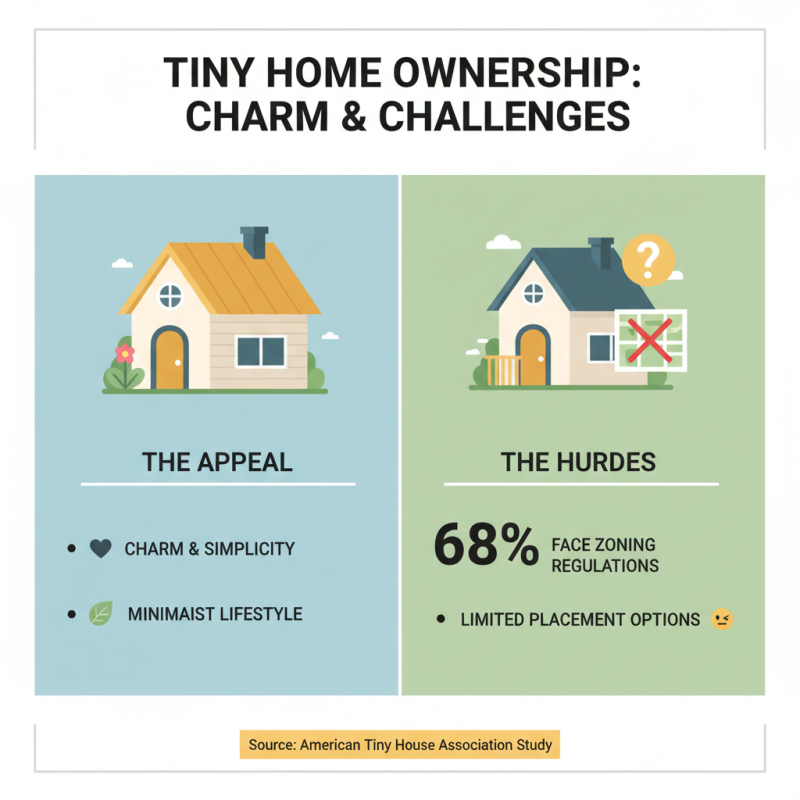
Tiny homes often attract buyers with their charm and minimalism. However, ownership also presents various challenges. For instance, a study by the American Tiny House Association showed that 68% of tiny homeowners face zoning regulations that complicate where they can place their homes. This often leads to frustration and limits options for potential owners.
Another major consideration is financing. Many traditional banks do not provide loans for tiny homes, as they are seen as nontraditional structures. This can make it difficult for people to purchase. According to a survey by Porch.com, 34% of tiny home owners reported financial strain due to unexpected costs related to land acquisition or upgrades.
Additionally, living in a small space requires significant downsizing. People often find it hard to part with belongings. A study revealed that 57% of tiny homeowners expressed regret over not decluttering enough before moving. This tight living environment might lead to stress, especially for larger families. Embracing simplicity is not always easy. It’s a journey that can bring about reflection and personal growth.