Top Tiny Home Builders Tips for Your Dream Lifestyle?
The concept of tiny homes has gained immense popularity in recent years. As more people seek simplicity and sustainability, tiny home builders play a crucial role in this movement. They craft innovative spaces that embody functionality and style. Purchasing a tiny home involves careful planning and choosing the right builder. With numerous options available, it's essential to know what to look for.
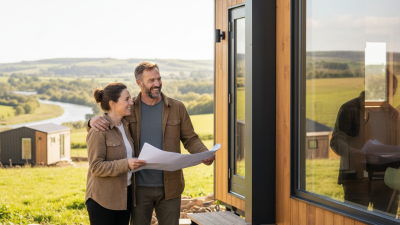
Selecting experienced tiny home builders can uniquely impact your lifestyle. Their expertise ensures that each design maximizes space and efficiency. However, not every builder will meet your expectations. Reflecting on your own needs and desires is vital. This will help guide you to a builder aligning with your vision.
Investing in a tiny home is more than just a financial decision. It is about embracing a new way of living. Understanding the nuances of tiny home construction is crucial. While the path may have its challenges, the benefits of downsizing are profound. Each tiny home represents creativity and the pursuit of a dream lifestyle.
Top Tiny Home Builders Tips for Your Dream Lifestyle
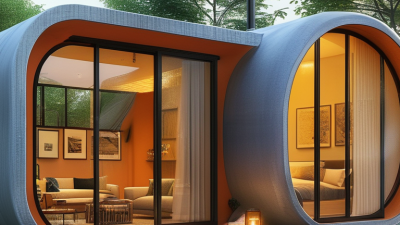
When building a tiny home, it's essential to consider functionality and comfort. Prioritize space efficiency, as every square foot matters. Insulation plays a crucial role in your home’s temperature regulation. Invest in windows and doors that maximize natural light. They can make your small space feel larger and more inviting.
Decluttering is key to a successful tiny living experience. Regularly assess your belongings and keep only what you truly need or love. It’s not just about fitting everything in; it's about curating your life. Often, we hold onto items out of guilt or memory. Learn to let go and embrace the freedom that minimalism offers.
Design is not only about aesthetics but also about emotional connection. Consult with professionals who understand tiny home specifics. They can guide you in creating smart storage solutions that blend seamlessly into your design. Remember, convenience and style can coexist harmoniously. Live in a space that reflects who you are, not just what you can fit.
Understanding the Tiny Home Market: Trends and Statistics
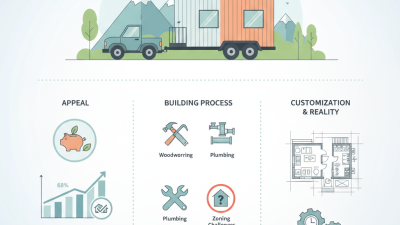
The tiny home market has seen significant growth in recent years, influenced by changing lifestyles and economic factors. According to a report by the Small House Society, the tiny home industry has grown by approximately 15% annually. This rise reflects a shift towards minimalism and sustainability, attracting individuals seeking a simpler life.
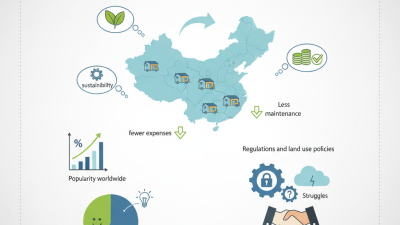
In 2022, the average cost of a tiny home was around $58,000, compared to $300,000 for traditional homes. This stark difference makes tiny homes appealing to many. Their smaller size means lower utilities and maintenance costs. Yet, potential buyers should consider zoning restrictions that may complicate ownership. Some areas don't permit tiny homes, leading to challenges in finding suitable locations.
Statistics reveal that about 68% of tiny homeowners are in their 30s and 40s. Many cite financial freedom and reduced environmental impact as key motivations. However, the transition to tiny living isn't always smooth. Downsizing possessions can be emotionally challenging, and space limitations may lead to conflicts in relationships. Balancing these aspects requires careful thought before making a commitment to this lifestyle.
Selecting the Right Land: Zoning, Costs, and Location Factors
Selecting the right land for your tiny home is crucial. Zoning laws can vary significantly by region. Some areas allow tiny homes as permanent residences, while others may restrict them to RV parks. A local zoning map can help you understand the regulations. Always check with local authorities for the latest updates.
Cost is another determining factor. The price of land can vary dramatically. According to a recent study, the average price per acre in rural areas is around $3,000, while urban land costs roughly $30,000 or more. Budgeting for land purchase can make or break your tiny home dream. Besides the initial purchase, consider property taxes and maintenance costs.
Location impacts lifestyle too. Proximity to amenities is essential for some. Those who value quiet might favor remote locations. Conversely, if you love city life, check tiny home communities nearby. Connecting with neighbors can enrich your living experience. Exploring these factors is vital, as overlooking them may lead to regrets.
Essential Features of Tiny Homes: Space Optimization and Sustainability
Tiny homes represent a significant shift in how we think about living spaces. The focus on space optimization is critical. Every square inch counts in a tiny home. Smart storage solutions, like under-bed drawers and multifunctional furniture, make a huge difference. A foldable table or a Murphy bed can create more free space when necessary. These features allow for both functionality and comfort, making the most out of a limited area.
Sustainability is another essential aspect of tiny homes. Many builders prioritize eco-friendly materials and energy-efficient systems. Solar panels, composting toilets, and rainwater harvesting can reduce your carbon footprint. It’s not just about saving space; it's about living harmoniously with nature. However, achieving sustainability can be challenging. It requires careful planning and sometimes, constant adjustments. As lifestyles change, so too must our definitions of home.
Choosing the right features is never easy. Each decision impacts how we live and interact with our environment. Even with the best intentions, we might overlook practical needs in favor of aesthetic choices. This reflection can lead to better solutions that enhance both comfort and sustainability in our tiny homes.
Top Tiny Home Builders Tips for Your Dream Lifestyle
| Feature |
Description |
Benefits |
Sustainability Score (1-10) |
| Space Optimization |
Utilizing multifunctional furniture and floor plans. |
Maximizes usable space and reduces clutter. |
8 |
| Eco-Friendly Materials |
Using sustainable building materials like reclaimed wood. |
Reduces environmental impact and conserves resources. |
9 |
| Energy Efficiency |
Incorporating solar panels and high-quality insulation. |
Lowers energy bills and carbon footprint. |
10 |
| Water Conservation |
Utilizing low-flow fixtures and rainwater harvesting systems. |
Saves water and reduces utility costs. |
8 |
| Smart Technology |
Integrating smart home devices for efficiency. |
Enhances convenience and control over home systems. |
7 |
Financing Your Tiny Home: Budgeting, Loans, and Investments Strategies
Financing a tiny home can feel overwhelming. Start by creating a clear budget. Determine your total costs, including land, materials, and labor. This transparency helps prioritize spending. You may need to adjust ambitions based on realistic financial limits. Are you willing to compromise on features to stay within budget? It’s a crucial question.
After budgeting, explore loan options. Tiny home loans differ from conventional mortgages. Research credit unions and lenders that specialize in tiny homes. Be aware that some lenders might require a larger down payment. Consider personal loans or even peer-to-peer lending. Every choice carries risk. Scrutinize interest rates and terms carefully.
Investments also play a vital role in your tiny home journey. Is this home an investment or a lifestyle choice? If investment, calculate potential rental income. Will you rent out your tiny home part-time? These decisions affect cash flow and long-term success. Reflect on your priorities before committing to financial options. Understand what fits into your dream lifestyle.
Financing Your Tiny Home: Budgeting and Loan Strategies
This chart illustrates critical financial aspects of building a tiny home, including average costs, down payment amounts, monthly payments, typical loan terms, and interest rates. Understanding these elements is crucial for effective budgeting and investment strategies when considering a tiny home.