Why Choose a Portable Tiny House at the 139th Canton Fair?
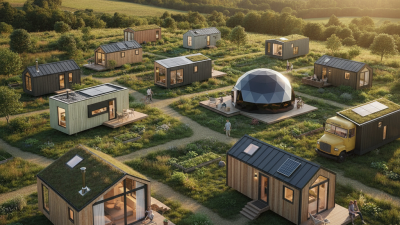
The 139th Canton Fair presents an incredible opportunity for visitors interested in portable tiny houses. As sustainability becomes a priority, these compact homes cater to modern living needs. They are ideal for those seeking mobility and efficient use of space.
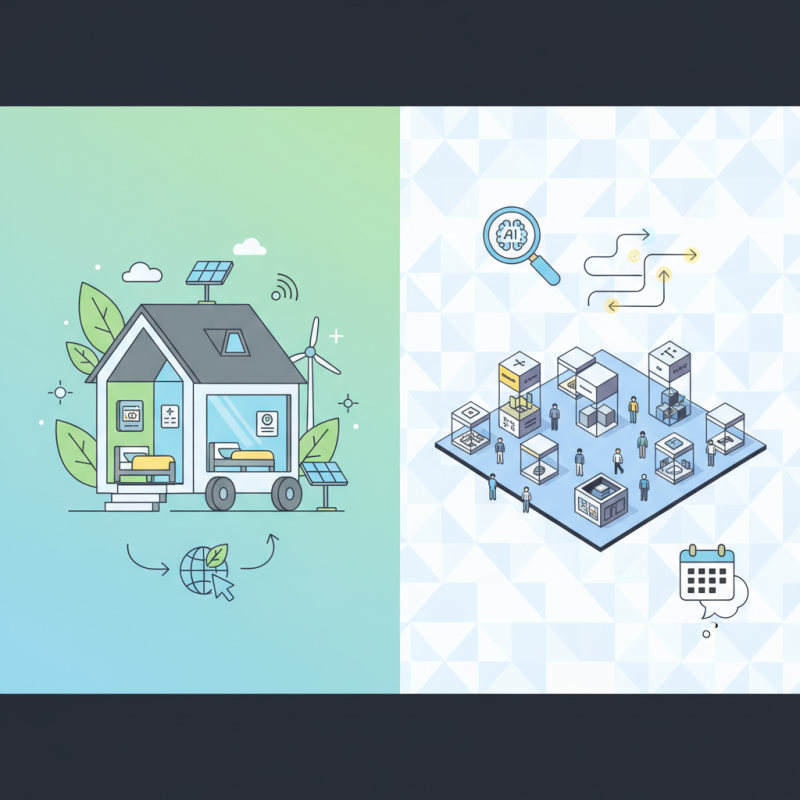
During the fair, innovative designs and features will showcase the versatility of portable tiny houses. Buyers can explore options that include eco-friendly materials and smart home technology. It’s fascinating to see how these tiny homes can transform into livable spaces with style and functionality.
Navigating the expansive exhibition space efficiently is crucial. The new AI search and navigation features enhance the experience for attendees. However, with so many vendors, it can be overwhelming. This complexity reminds us that careful planning is essential. Overall, the portable tiny house segment at the Canton Fair is not to be missed.
Why Portable Tiny Houses Are Trending at the 139th Canton Fair
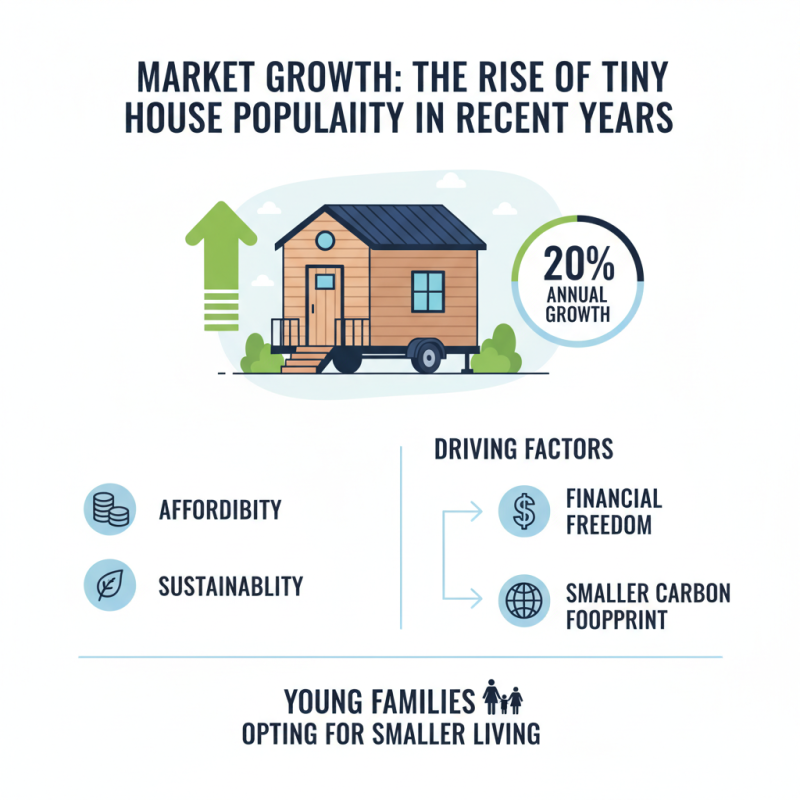
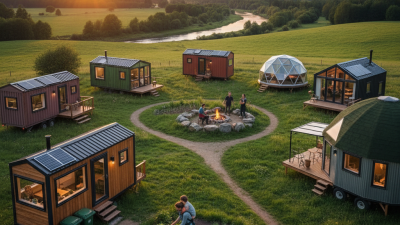
Portable tiny houses have gained immense popularity at the 139th Canton Fair. These compact living spaces provide a unique solution for modern living. Their mobility is a key factor. Buyers can relocate them with ease, adapting to different environments or needs. With rising urbanization, people seek practical housing solutions. Portable tiny houses offer affordability and flexibility. They can be used as vacation homes or even as permanent residences.
Beyond practicality, these tiny houses reflect a lifestyle choice. People are becoming more conscious of sustainability. Many tiny house designs integrate eco-friendly materials. They maximize space, often featuring multi-functional furniture. This creative approach allows for efficient living while minimizing environmental impact. Attendees are often impressed by the innovative designs on display.
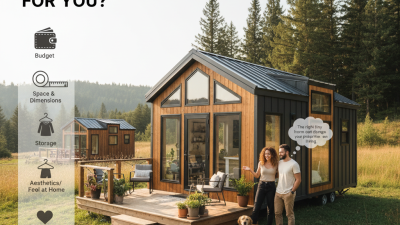
However, not all portable tiny houses meet expectations. Some designs can be cramped or lack essential amenities. Buyers should reflect on their priorities. Is it space or sustainability that matters more? Ensuring comfort while being mobile can be challenging. Emotional investment in a tiny house is significant. After all, it represents a lifestyle, a home, and a dream.
Sustainability: Eco-Friendly Features of Portable Tiny Houses
Portable tiny houses present a unique sustainable living solution. They often use eco-friendly materials, reducing environmental impact. These houses can be designed with solar panels, promoting renewable energy use. Their compact size minimizes land usage and lowers transportation emissions.
Inside, many tiny houses feature energy-efficient appliances. These high-efficiency systems consume less power. Water-saving fixtures in bathrooms and kitchens further enhance sustainability. Yet, space is limited, requiring clever design choices. This can be challenging for some homeowners.
Embracing minimalism is another key aspect. Living in a tiny house encourages reflection on what is truly needed. However, downsizing possessions can be difficult. It forces us to rethink our lifestyles and priorities. While there are beautiful, eco-friendly models available, not every choice may perfectly fit a person's needs. This journey toward sustainable living is ongoing.
Eco-Friendly Features of Portable Tiny Houses
Cost Efficiency: Comparing Tiny House Prices to Traditional Homes
When comparing costs, portable tiny houses often stand out. Their price tags can be much lower than traditional homes. A typical tiny house may cost around $30,000 to $60,000. In contrast, standard homes often exceed $200,000. This stark difference in pricing attracts many people who seek affordability.
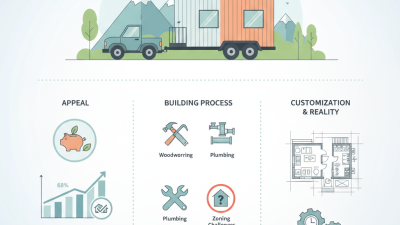
However, the cost is just one aspect. Tiny houses require careful planning and may need specific zoning approval. Some buyers overlook these details. If you're considering a tiny house, think about land costs too. Purchasing land can add to the overall expense. Additionally, maintenance costs can vary. Tiny homes might have fewer issues, but that’s not guaranteed.
Living in a tiny house also brings lifestyle changes. It means less storage and space. Many owners find it challenging at first. Downsizing belongings takes time and effort. Some feel a sense of freedom, while others may struggle with the adjustment. It’s a journey worth exploring, but be mindful of these challenges.
Design Flexibility: Customization Options for Portable Tiny Houses
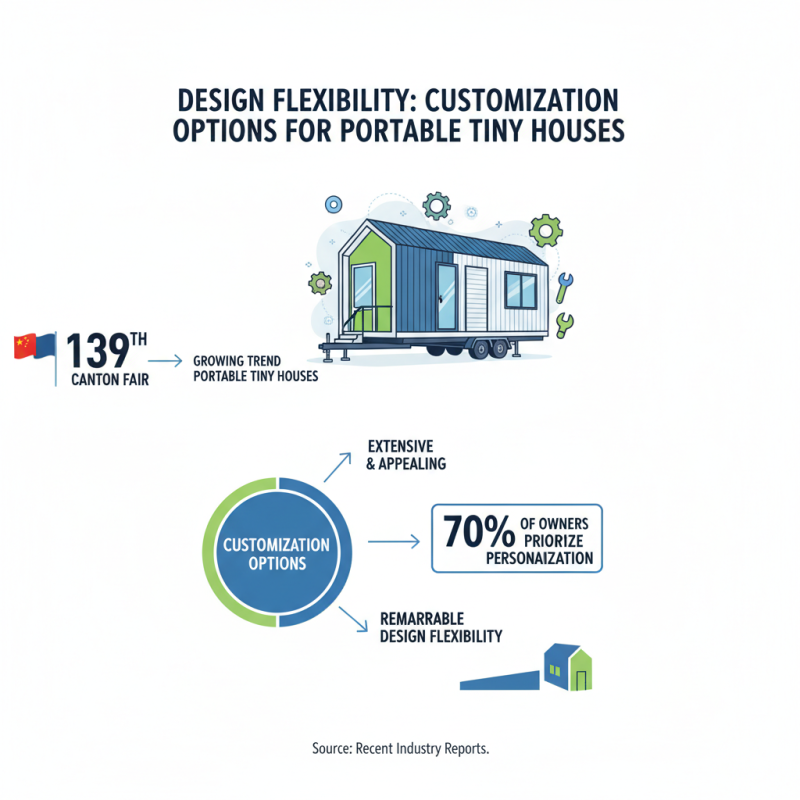
The 139th Canton Fair highlights the growing trend of portable tiny houses. These structures offer remarkable design flexibility, attracting many potential buyers. Customization options are extensive and appealing. According to recent industry reports, 70% of tiny house owners prioritize personalization in design.
Customization allows individuals to tailor living spaces to fit their unique lifestyles. Choices range from layout alterations to selecting sustainable materials. Modular components are popular, enabling easy alterations in various settings. Features like foldable furniture and multi-use spaces help maximize limited square footage. However, the balance between personalization and practicality can be challenging. Some may prioritize aesthetics over functionality.
Reports indicate that around 40% of buyers express concerns about the long-term viability of their designs. Innovative designs are essential, but many overlook energy efficiency and durability. The allure of customization must be matched by practical considerations. Thoughtful design can lead to a well-rounded, sustainable lifestyle in tiny homes. Potential owners must reflect on their choices carefully.