Why Portable Homes Are the Ultimate Solution for Affordable Living
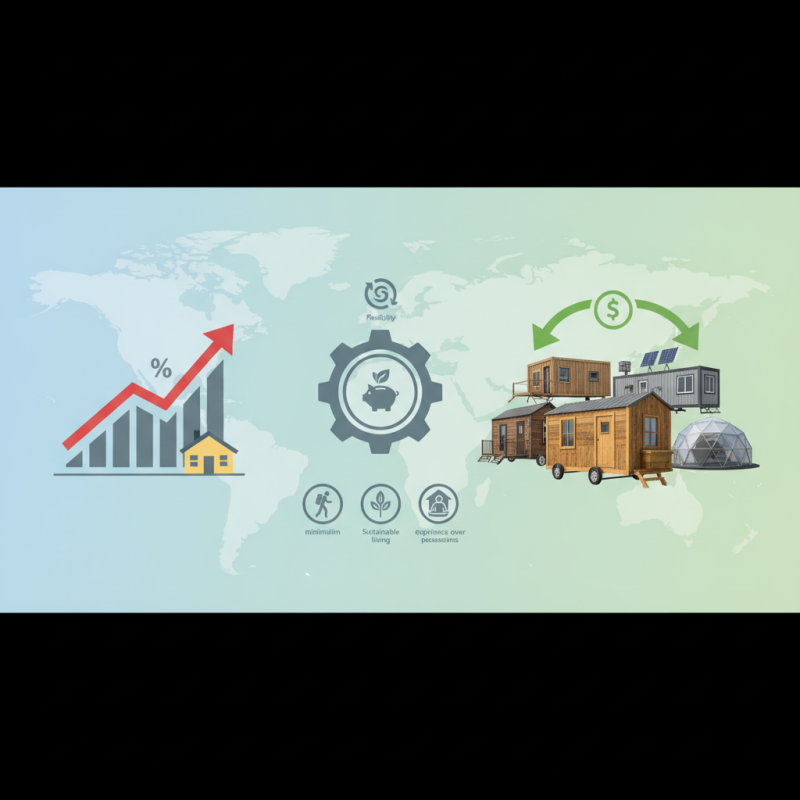
As the cost of traditional housing continues to soar, innovative solutions are essential for addressing the growing demand for affordable living options. One promising answer lies in the trend of portable homes, which are rapidly gaining attention due to their flexibility, affordability, and eco-friendliness. According to a report by the Institute for Housing Studies, the average cost of a single-family home has increased by over 30% in the past decade, making ownership unattainable for many families. In contrast, portable homes offer a feasible alternative, with prices often significantly lower than conventional housing—commonly in the range of $50,000 to $100,000.
Moreover, the rising popularity of portable homes aligns with shifting societal attitudes towards minimalism and sustainable living. A survey by the National Association of Realtors indicates that 62% of millennials are interested in living in smaller, more efficient homes. This growing demographic is increasingly inclined to prioritize experiences over possessions, making portable homes particularly appealing. By providing mobility and affordability, portable homes not only cater to economic needs but also encourage a more sustainable and flexible lifestyle, suggesting that they may indeed be the ultimate solution for those seeking affordable living options in today's economy.
Benefits of Portable Homes for Affordable Housing Solutions
Portable homes offer an innovative approach to affordable housing solutions, catering to the needs of those seeking cost-effective living options without sacrificing comfort and quality. One of the primary benefits of portable homes is their lower construction and maintenance costs. Unlike traditional houses, portable homes can be manufactured in a factory setting, which reduces labor costs and allows for more efficient use of materials. This affordability makes them an attractive option for individuals and families grappling with rising housing prices in urban areas.
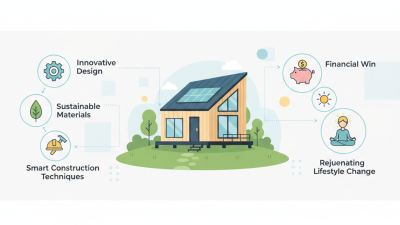
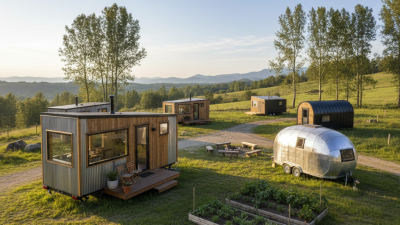
In addition to cost savings, portable homes provide flexibility in living arrangements. They can be easily relocated, allowing residents the freedom to move without the challenges associated with traditional real estate transactions. This mobility is particularly beneficial for those looking to downsize or relocate for job opportunities, as well as for students and young professionals who may desire a transient lifestyle. Furthermore, portable homes often come equipped with sustainable features, promoting eco-friendly living and energy efficiency. With the ability to incorporate innovative technologies and design elements, these homes not only cater to budget-conscious individuals but also support a greener future.
Design Flexibility and Customization in Portable Home Construction
In recent years, portable homes have gained significant attention for their versatility and affordability, particularly in the context of housing crises in urban areas. The design flexibility inherent in portable home construction allows builders and homeowners to tailor their living spaces to fit individual needs and preferences. According to a report by the Institute for Affordable Housing, 75% of prospective homeowners express a desire for customizable options in their living spaces. This trend highlights the growing demand for homes that reflect personal style and functional requirements.
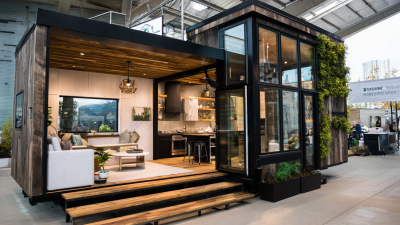
The use of modular construction techniques enables a wide range of design choices, from floor plans to materials, making it easier for individuals to create a home that suits their lifestyle. In 2021, the Modular Building Institute reported that the modular construction market saw a remarkable 25% growth, driven by a shift toward efficient and adaptable home solutions. As the industry continues to innovate, homeowners can expect an increasing variety of eco-friendly materials and smart technologies integrated into portable homes, enhancing both sustainability and efficiency. With options to include features like expandable layouts and energy-efficient installations, portable homes not only meet current housing needs but also allow for a future-proof investment in personalized living environments.
Sustainable Living: Eco-Friendly Aspects of Portable Homes
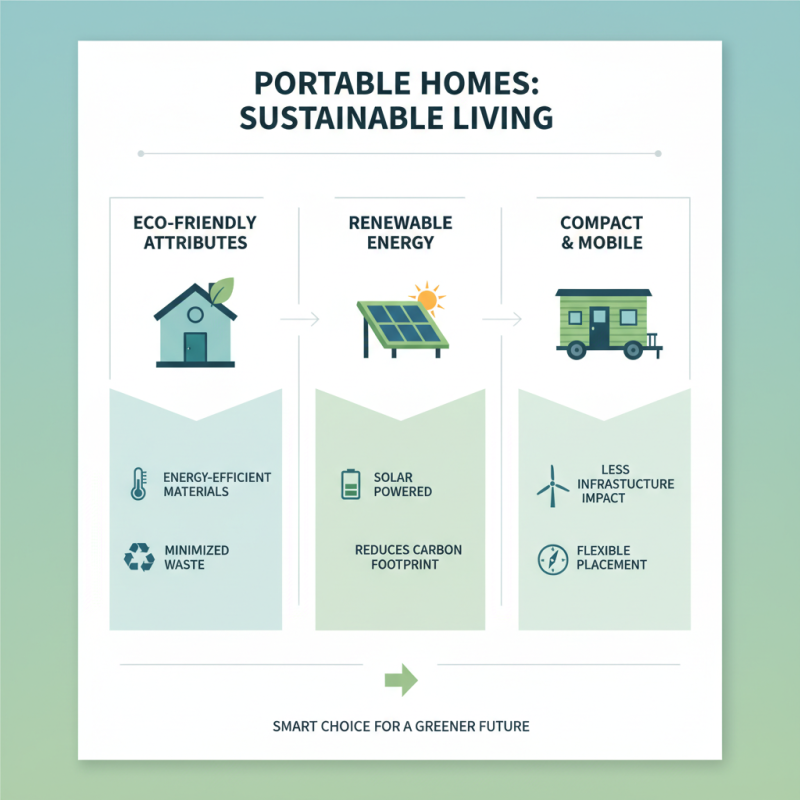
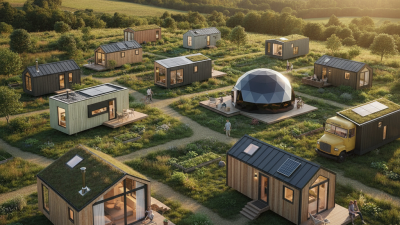
Portable homes are increasingly recognized for their eco-friendly attributes, making them a compelling option for sustainable living. Constructed with energy-efficient materials and designed to minimize waste, these homes often rely on renewable energy sources such as solar panels. By utilizing such technologies, portable homes significantly reduce their carbon footprint, demonstrating that compact living can align with environmental stewardship. Their mobility allows them to be placed in locations with suitable resources, reducing the need for extensive infrastructure and the environmental impact associated with traditional housing.
Moreover, the compact design of portable homes encourages minimalism, which inherently promotes sustainability. By living in a smaller space, individuals are often compelled to simplify their lifestyles, reducing consumption and waste. The limited square footage leads to lower energy consumption for heating, cooling, and electricity, thereby conserving vital resources. Additionally, many portable homes incorporate water-saving fixtures and sustainable landscaping practices, further enhancing their eco-friendly credentials. As a result, choosing a portable home can significantly contribute to a more sustainable lifestyle, allowing individuals to harmonize their living choices with the health of the planet.
Financial Advantages of Choosing Portable Homes Over Traditional Housing
Portable homes offer significant financial advantages over traditional housing, making them an attractive option for individuals seeking affordable living solutions. One of the primary benefits is the reduced upfront costs associated with portable homes. They typically require a lower initial investment than conventional houses, as they are often built with less expensive materials and designed to be more efficient in terms of space. This affordability allows potential homeowners to enter the housing market without the burden of substantial mortgages or loans, promoting financial stability.
In addition to lower purchasing costs, portable homes often lead to long-term savings on utilities and maintenance. Many portable homes are designed with energy efficiency in mind, incorporating features such as better insulation and modern appliances that consume less energy. This not only reduces monthly bills but also lessens environmental impact. Moreover, the maintenance costs for portable homes are generally lower due to their simpler designs and materials, meaning homeowners can save money on repairs and upkeep over time. As a result, choosing a portable home can significantly alleviate financial pressure, making it a compelling option for those navigating the challenges of the current housing market.
Challenges and Considerations in Portable Home Living
Living in portable homes offers numerous advantages, but it comes with its own set of challenges and considerations. First and foremost, zoning regulations and land use policies can significantly impact where you can place a portable home. Many areas have strict rules about residential structures, which can complicate the process of finding suitable land. Additionally, infrastructure limitations, such as access to utilities, waste disposal, and water supply, can create hurdles for prospective portable home dwellers. It is essential for individuals to research local regulations thoroughly to ensure compliance and avoid potential legal issues.
Another critical consideration involves the practicality of living in a smaller space. Transitioning to a portable home often requires downsizing and reevaluating one's lifestyle. While minimalism can be liberating, it can also be challenging to adjust to limited storage and living space. Individuals must adopt efficient organization strategies and prioritize their belongings thoughtfully. Furthermore, the lack of traditional amenities in some portable homes might necessitate adjustments, such as adopting alternative heating or cooling methods. Therefore, potential residents should carefully weigh these challenges against the benefits of affordability and mobility that portable homes offer.