What Are Jewelry Display Cases and Which Type Is Best?
jewelry display cases do more than hold valuable pieces. They shape how customers notice, trust, and imagine each item. A diamond ring may look bright under focused LEDs, yet appear flat under harsh white lighting. A velvet-lined drawer can protect delicate metal, but it may hide the piece from passing shoppers. The right case balances security, visibility, lighting, access, and the store’s visual identity.
Jewelry stylist and industry commentator Michael O’Connor has offered a useful principle: “The setting should enhance the jewelry, never compete with it.” That idea guides this discussion of jewelry display cases. Countertop cases suit small collections and encourage close inspection. Wall-mounted units save floor space, while freestanding showcases create stronger visual zones. Glass thickness, lock quality, adjustable shelves, and glare control also matter. Small details matter more than expected.
No case is perfect.
A highly secure design may feel cold. An elegant open presentation may demand stronger staff supervision. Buyers should consider the jewelry itself, customer movement, cleaning routines, and future collection changes. A case that works for watches may not suit long necklaces or fragile earrings. That sounds obvious, but it is often missed.
This guide compares common jewelry display cases and explains which type may fit different retail environments. The goal is not to choose the most expensive option. It is to create a clear, safe, and inviting presentation that supports informed purchasing without distracting from the jewelry.
Definition and Purpose of Jewelry Display Cases
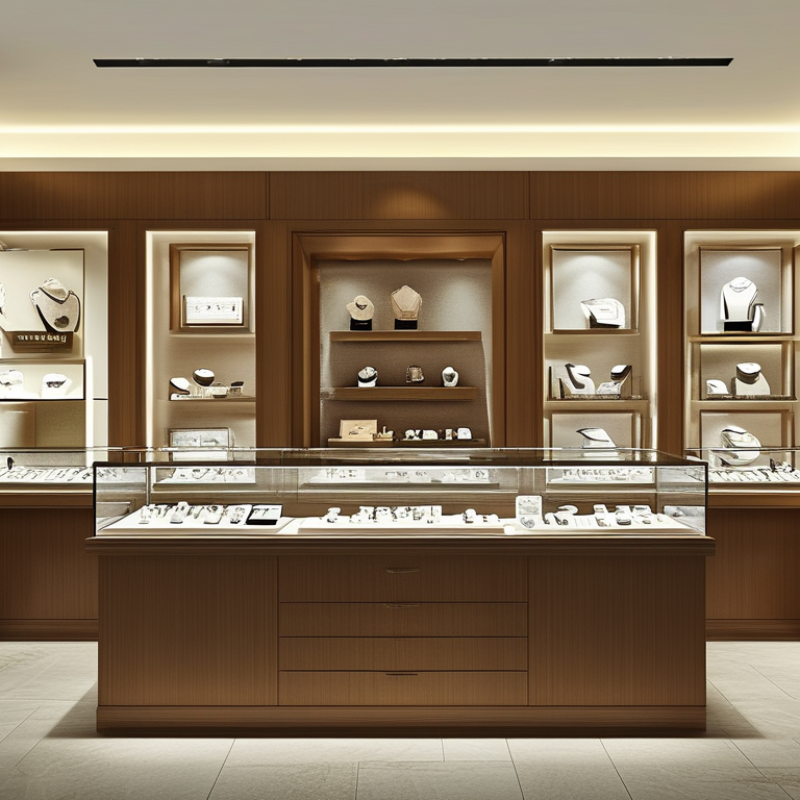
Jewelry display cases are enclosed fixtures made to present and protect rings, necklaces, bracelets, and watches. Their clear panels provide visibility while reducing dust, accidental contact, and handling. Some cases include locks, padded interiors, adjustable shelves, or built-in lighting. The purpose is not decoration alone. A well-designed case helps viewers notice details without constantly touching delicate pieces. In a shop, it supports organized presentation and safer customer interaction. At home, it keeps treasured items visible and easier to manage. This sounds simple, but it is not.
Different case types serve different spaces. Countertop cases work well for small collections and limited surfaces. Wall-mounted cases save floor space and create a focused display. Freestanding cases offer more capacity and easier viewing from several angles. In practice, the best choice depends on the jewelry’s size, room layout, lighting, and required security. A bright case can reveal craftsmanship, but harsh light may create reflections. The most expensive case is not automatically the most suitable. I would review access, cleaning, and future storage needs before buying. Personal experience also matters, because display habits often change.
Tips: Use soft, non-abrasive liners to prevent scratches. Keep necklaces separated to reduce tangling. Place the case away from direct sunlight and strong heat. Check hinges, locks, and glass regularly. Leave enough space between pieces. Crowded displays look less refined and make inspection harder.
What Are Jewelry Display Cases and Which Type Is Best?
Jewelry display cases protect items while presenting them clearly to shoppers. The best type depends on the required balance of visibility, storage capacity, accessibility, and security.
This practical comparison uses a five-point scale, where 5 represents the strongest advantage. Tower and wall-mounted cases provide excellent visibility, while locked counter cases are often preferred when direct customer access and security are the main priorities. Island cases are useful when customers need to view jewelry from multiple sides.
Key Features and Materials Used in Jewelry Display Cases
What Are Jewelry Display Cases and Which Type Is Best?
Jewelry display cases combine visibility, protection, and controlled lighting. Their materials shape the customer’s experience. Tempered glass resists everyday impact better than ordinary glass. Laminated glass adds a plastic interlayer, which helps hold fragments together after damage. Acrylic is lighter and clearer, but it scratches easily. Powder-coated steel frames provide strength and resist surface wear. Wood-based panels add warmth, although poor sealing can cause swelling near humid entrances.
Lighting deserves careful attention. Neutral LED lighting can reveal metal color and gemstone detail without excessive heat. The U.S. Department of Energy reports that LED lighting uses at least 75% less energy than incandescent lighting. That matters when cases remain illuminated for long retail hours. Security features also need practical testing. The National Retail Federation reported $112.1 billion in retail shrink during 2022. Therefore, recessed locks, anchored bases, and laminated glazing are not decorative extras. They are part of responsible case design. Still, no case solves every security problem.
Tips: Choose glass thickness according to case size and traffic. Check hinges, locks, and lighting during a real working day. Keep reflective backgrounds limited; they can hide small details. Measure cleaning time, too. A beautiful case that shows fingerprints constantly may disappoint staff and shoppers. Temperature, humidity, and glare should be reviewed before installation. There is no perfect material, only a better match for the setting.
Main Types of Jewelry Display Cases Explained
Jewelry display cases protect pieces while making their details easy to notice. The right design depends on your space, inventory, and customer experience. Countertop cases suit small collections, reception desks, and compact retail areas. They keep rings, earrings, and pendants close to eye level. Freestanding glass cabinets offer more capacity and create a clear visual centerpiece. Their adjustable shelves work well for mixed collections. Wall-mounted cases save floor space and provide a clean, gallery-like presentation. However, installation must support the case’s full weight.
Drawer-style cases are useful for valuable or delicate pieces that need controlled access. They reduce visual clutter, although customers may see less merchandise at once. Rotating cases improve visibility in narrow areas. I have found them helpful for comparing several similar items, but poor lighting can make reflections distracting. A case with tempered glass, stable locks, soft lining, and adjustable lighting usually provides a dependable balance. “Best” is not universal.
Tips: Match the case height to the viewer’s eye level. Use neutral backgrounds so metal and gemstones remain distinct. Leave space between pieces; crowded trays look cheaper and slow inspection. Check hinges and locks regularly. Clean glass with a suitable lint-free cloth, since tiny streaks can affect color judgment. Consider humidity control for sensitive materials, but avoid assuming every collection needs the same setting. Test one display arrangement for a week, then revise it after observing fingerprints, glare, and customer movement.
How to Choose the Best Jewelry Display Case
Choosing a jewelry display case starts with the merchandise, not the furniture. A delicate ring needs clear visibility and controlled lighting. A necklace needs vertical space, secure hooks, and minimal glare. Grand View Research estimated the global jewelry market at USD 356.3 billion in 2023. That scale makes presentation quality commercially important, even for a small showroom.
Security comes first. The 2023 National Retail Security Survey reported average retail shrink of 1.44% of sales in 2022. A lockable glass case, anchored base, and limited opening access can reduce avoidable exposure. Choose laminated or tempered glass for busy areas. Use discreet lighting with a color temperature near 3000K. It helps gold appear warm without making diamonds look artificially bright. Avoid sharp reflections. Customers need to inspect settings, edges, and stone clarity.
I usually recommend a modular counter case for compact stores. It supports close conversation and flexible product rotation. Freestanding tower cases suit collections that need stronger visual height. Wall-mounted cases save floor space, but they can make security checks less convenient. I have sometimes overestimated the value of maximum visibility. An open layout may invite interaction, yet it can also create blind spots. A perfect case does not exist. Measure the viewing angle, cleaning time, door swing, and staff reach before ordering. Leave enough space between pieces. Crowded velvet weakens perceived value. Test the case under actual store lighting, because showroom samples can look surprisingly different.
Care, Security, and Presentation Considerations
What Are Jewelry Display Cases and Which Type Is Best?
Jewelry display cases protect pieces while making their details easy to inspect. Common options include countertop cases, wall-mounted cabinets, and freestanding glass showcases. The best choice depends on the jewelry, available space, and security needs. A lockable case with tempered glass suits valuable pieces. Open trays may work better for supervised appointments and faster comparison. In daily retail handling, I have found that visibility often matters as much as storage capacity.
Care affects both appearance and trust. Use a soft, lint-free cloth and avoid spraying cleaner near metal settings. Keep the case dry, especially around silver, pearls, and delicate stones. Stable lighting is important. Cool LED lights usually reduce heat exposure, but excessive brightness can still affect certain materials. One detail is easy to miss. Fingerprints on glass can make fine jewelry look dull, even when every piece is clean.
Tips: Leave space between items to prevent contact scratches. Use padded inserts that hold pieces firmly without pressing them. Check locks, hinges, and lighting every week. A security feature should not block the customer’s view. Consider UV-filtering glass for light-sensitive materials. I also recommend photographing the arrangement before closing; it helps identify misplaced items, though it is not a substitute for proper inventory records. Perfect presentation is difficult. Small adjustments may still improve safety and clarity.