2025 How to Design Modern Tiny Homes for Sustainable Living
In recent years, modern tiny homes have emerged as a compelling solution to the pressing issues of urbanization and sustainability. These compact dwellings, often characterized by their innovative designs and efficient use of space, reflect a growing trend towards minimalism and environmentally conscious living. As individuals and families seek to reduce their carbon footprint and embrace a more sustainable lifestyle, the design of modern tiny homes offers unique opportunities to create functional, stylish, and eco-friendly spaces.
The integration of sustainable materials and energy-efficient technologies in the construction of modern tiny homes not only enhances their appeal but also sets a benchmark for responsible building practices. As we look ahead to 2025, it is crucial to explore the principles of sustainable architecture and design that can be applied to these smaller living spaces. By focusing on innovative layouts, renewable energy sources, and smart storage solutions, we can redefine what it means to live sustainably in a compact environment.
This article aims to delve into the essentials of designing modern tiny homes that prioritize sustainability while ensuring comfort and practicality. By examining key design elements and trends, we hope to inspire future homeowners and builders to consider how modern tiny homes can serve as a model for a more sustainable future.
Strategies for Incorporating Renewable Energy in Tiny Home Design
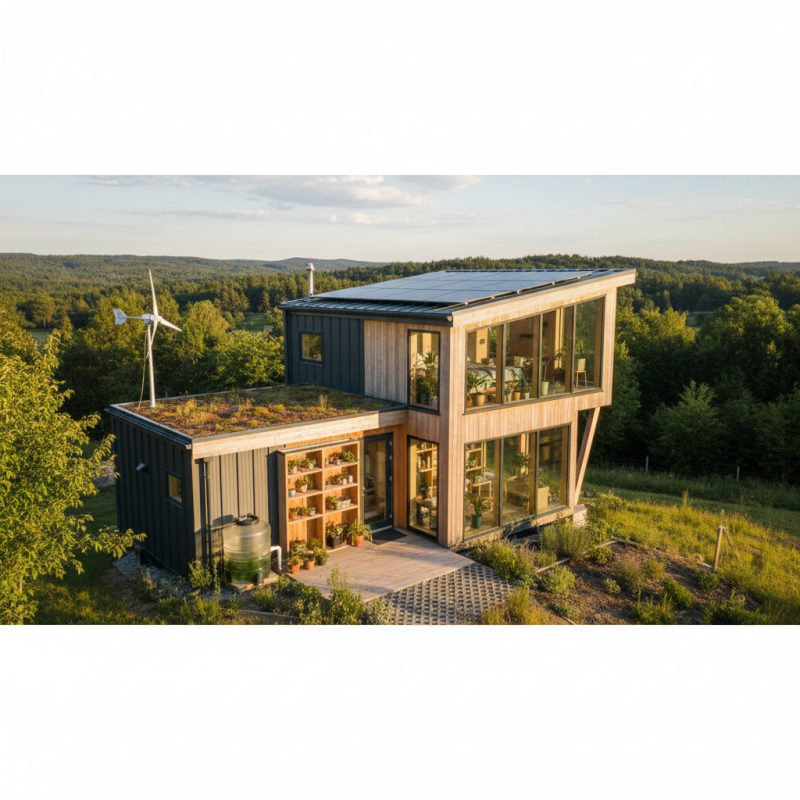
Incorporating renewable energy into the design of modern tiny homes is key to achieving sustainable living. One of the most effective strategies is the installation of solar panels on rooftops. These panels can harness sunlight and convert it into electricity, reducing reliance on fossil fuels and minimizing the home's carbon footprint. When designing the layout, it's essential to position solar panels optimally to ensure maximum sun exposure throughout the day. Additionally, the use of energy-efficient appliances can further complement this setup by lowering overall energy consumption, allowing tiny home dwellers to live comfortably while still being eco-friendly.
Wind energy is another viable option for tiny homes, particularly in windy locations. Small wind turbines can be integrated into the design, generating electricity that can supplement what solar panels produce. The combination of solar and wind energy can create a more resilient power supply, ensuring that homeowners are less vulnerable to fluctuations in energy access. Moreover, incorporating energy storage systems, such as batteries, enables residents to store excess energy for use during less sunny or windy days, enhancing the sustainability of their living situation. By designing tiny homes with these renewable energy strategies, individuals can enjoy a modern lifestyle while significantly contributing to environmental conservation.
2025 Modern Tiny Homes Energy Sources
This chart illustrates the percentage of various renewable energy sources incorporated into modern tiny home designs for sustainable living in 2025. The data reflects the growing trend towards utilizing eco-friendly power solutions.
Applying Sustainable Materials for Eco-Friendly Tiny Homes
Sustainable living has gained immense traction, especially with the rise of
tiny homes, which maximize space while minimizing environmental impact. A key
aspect of designing these modern tiny homes is the choice of materials. The use of
sustainable materials not only reduces ecological footprints but
also supports healthier indoor environments. According to a report by the World Green Building Council, buildings are
responsible for 39% of global carbon emissions, thus highlighting the
importance of eco-friendly materials in construction. By integrating recycled, reclaimed, and
renewable resources—such as bamboo, reclaimed wood, and recycled metal—builders can significantly
curtail waste and emissions.
Incorporating sustainable materials extends beyond mere aesthetics; it also contributes to the
longevity and durability of tiny homes. For instance, a study by the U.S. Green Building Council
indicates that using certified sustainable materials can enhance energy efficiency by up to
30%, translating into substantial long-term savings for homeowners. This
not only promotes a sustainable lifestyle but also fosters a sense of community responsibility as individuals
become more conscious of their environmental impact. The choice of materials is pivotal in the design of tiny
homes, ultimately enabling a lifestyle that harmonizes with nature while offering a modern and
functional living experience.
Maximizing Space Efficiency: Design Principles for Modern Tiny Living
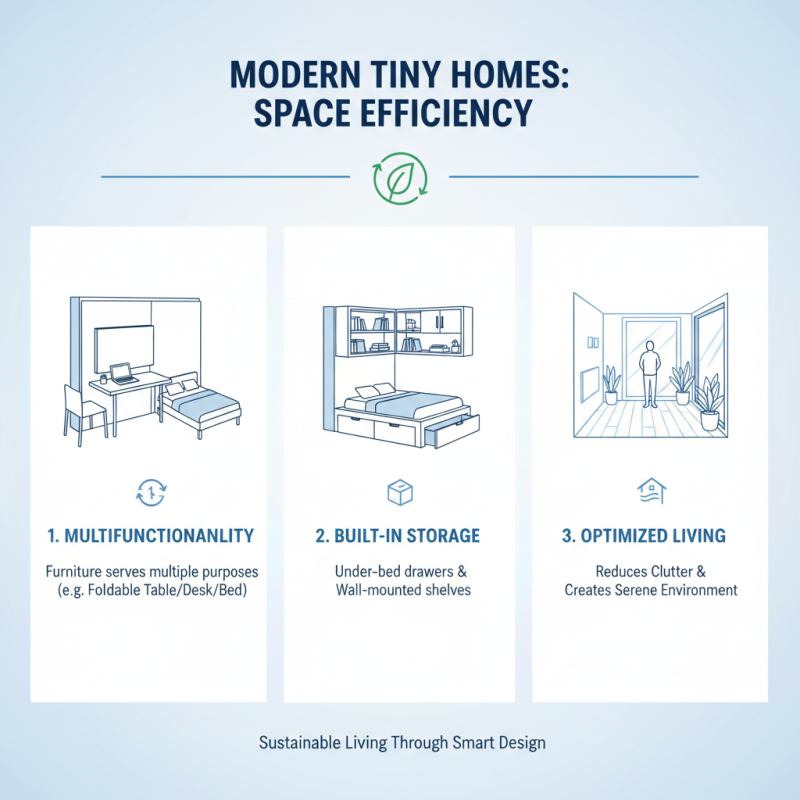
When designing modern tiny homes for sustainable living, maximizing space efficiency is paramount. The first principle is multifunctionality, where each piece of furniture serves more than one purpose. For instance, a foldable table can transform into a desk or an extra sleeping area, allowing residents to adapt their space according to their needs throughout the day. Incorporating built-in storage solutions, such as under-bed drawers and wall-mounted shelving, further optimizes available space while reducing clutter, creating an organized and serene living environment.
Another vital aspect is the use of vertical space. By extending storage solutions and living areas upwards, designers can make the most of limited floor space. Lofted sleeping areas are a popular choice, freeing up the ground level for daily activities. Additionally, utilizing large windows and open floor plans enhances the sense of space, flooding interiors with natural light and creating a more inviting atmosphere. These design principles not only promote efficiency but also foster a sustainable lifestyle by encouraging minimalism and reducing the environmental impact of living in smaller homes.
Integrating Smart Home Technology for Sustainable Living Solutions
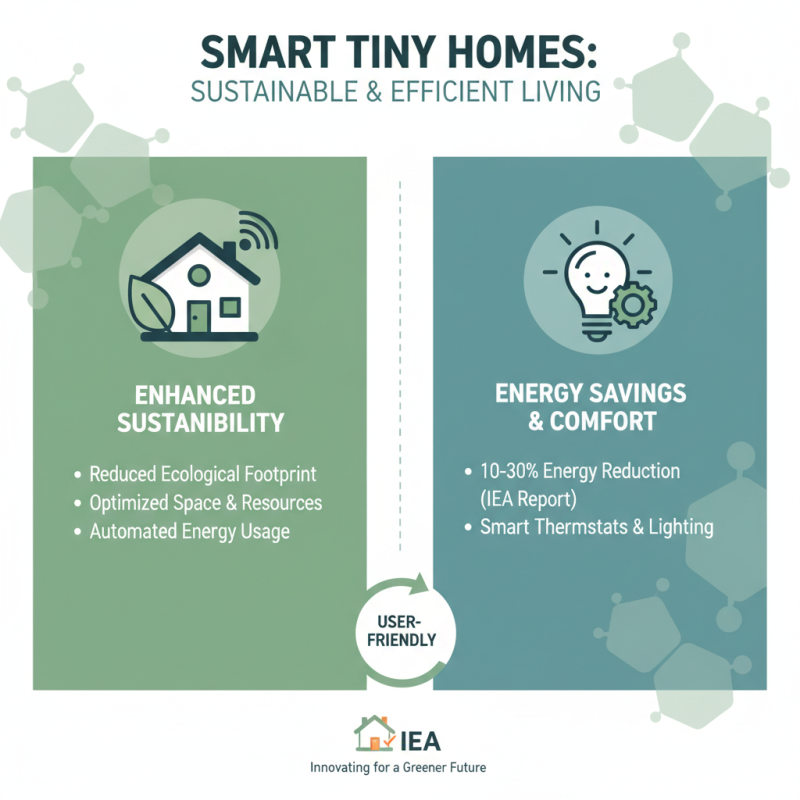
The integration of smart home technology into modern tiny home designs significantly enhances sustainable living solutions, making them not only more energy-efficient but also remarkably user-friendly. According to a report by the International Energy Agency, smart technologies can reduce energy consumption in residential buildings by up to 10-30% when utilized effectively. With tiny homes already optimizing space and resources, the addition of smart devices contributes to a profound ecological footprint reduction. Features like smart thermostats and energy-efficient lighting systems can automate energy usage, ensuring minimal waste and adapting to the occupants' needs.
Moreover, smart home technology allows for real-time monitoring and management of home systems, thereby promoting informed decisions regarding energy consumption. Data from the U.S. Environmental Protection Agency indicates that homes equipped with smart technology can decrease overall electricity consumption by as much as 15% by leveraging adaptive learning and usage patterns. This seamless integration of technology not only positions tiny homes as viable options for sustainable living but also empowers residents to engage proactively with their resource consumption, fostering a lifestyle that aligns with their eco-conscious values.
Evaluating Cost-Effectiveness of Tiny Homes in Sustainable Communities
The rise of tiny homes has gained momentum in recent years as an innovative solution to sustainable living. Evaluating the cost-effectiveness of tiny homes within sustainable communities reveals promising data. Research conducted by the *Institute for Energy Research* indicates that the average cost of constructing a tiny home can be around $23,000, significantly lower than the median price of a traditional house, which often exceeds $300,000. This affordability makes tiny homes an attractive option for individuals and families seeking to minimize debt while still achieving homeownership.
Moreover, the *Sustainable Communities Report* from the *American Institute of Architects* highlights that tiny homes typically consume 45% less energy compared to larger dwellings, leading to reduced utility bills and a smaller carbon footprint. By integrating energy-efficient appliances and renewable energy sources, tiny homes offer not only immediate financial savings but also long-term sustainability. Communities that embrace tiny living can foster a collaborative environment, sharing resources and promoting a minimalist lifestyle that is environmentally friendly. The data suggests that tiny homes can effectively contribute to sustainable living goals while alleviating housing shortages in urban areas.
2025 How to Design Modern Tiny Homes for Sustainable Living - Evaluating Cost-Effectiveness of Tiny Homes in Sustainable Communities
| Feature |
Average Cost (USD) |
Size (sq ft) |
Energy Efficiency (kWh/year) |
Water Usage (gallons/year) |
| Basic Tiny Home |
$30,000 |
200 |
1,500 |
15,000 |
| Luxury Tiny Home |
$70,000 |
400 |
2,000 |
10,000 |
| Eco-Friendly Model |
$50,000 |
350 |
1,800 |
12,000 |
| Portable Tiny Home |
$40,000 |
250 |
1,200 |
14,000 |
| Community Tiny Home |
$35,000 |
300 |
1,600 |
13,000 |