How to Choose the Right Fiberboard Medium Density Board?
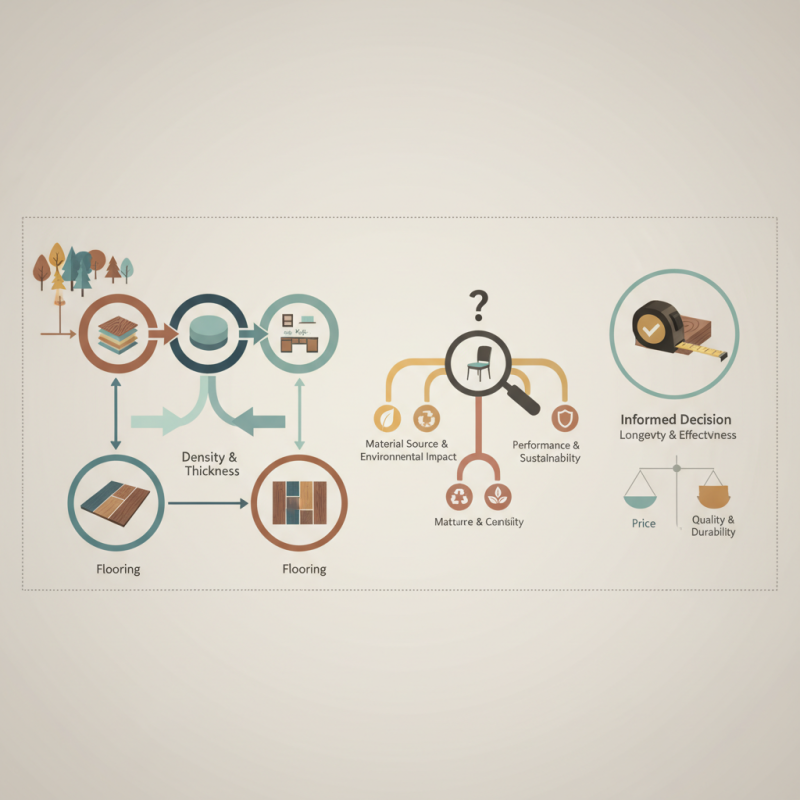
When selecting the right Fiberboard Medium Density Board, several factors come into play. Understanding the properties of this material is essential. Fiberboard is known for its versatility and durability. It’s widely used in furniture, cabinetry, and flooring. However, not all fiberboards are created equal. The density, thickness, and finish can greatly impact the performance of the board.
Different applications require different types of Fiberboard Medium Density Board. For example, furniture often requires boards with a smooth finish. In contrast, flooring may need a thicker and more robust option. Careful consideration of these factors will help ensure the board meets your specific needs.
Reflecting on your choices is crucial. It's easy to overlook details like the source of the material or the environmental impact of production. Often, boards that seem perfect may fall short in performance or sustainability. Taking the time to evaluate all aspects will lead to a more informed decision. Choosing the right Fiberboard Medium Density Board is not just about price. It’s about longevity and effectiveness in your projects.
Understanding the Basics of Medium Density Fiberboard (MDF)
Understanding the basics of Medium Density Fiberboard (MDF) is essential for making informed choices. MDF is engineered from wood fibers and adhesives, creating a durable and versatile material. According to the American Forest & Paper Association, MDF accounts for over 7% of the annual wood composite production in the U.S. This illustrates its importance in the modern furniture and construction industries.
MDF's density typically ranges from 600 to 800 kg/m3, making it heavier than particleboard but lighter than plywood. This balanced density provides a smooth, even surface that is ideal for painting or veneering. However, it is not water-resistant, which can lead to issues in high-moisture environments. Understanding this limitation is crucial when selecting MDF for projects like kitchen cabinets or bathroom furniture.
When considering MDF, its environmental impact is also a point of reflection. It often contains urea-formaldehyde, used in adhesives, which can release VOCs (volatile organic compounds). Regulations dictate acceptable limits, but buyers should consider low-emission options. Selecting MDF that balances quality, durability, and environmental concerns reflects a thoughtful choice in sustainable building practices.
Key Factors to Consider When Choosing MDF for Your Project
When selecting Medium Density Fiberboard (MDF), several critical factors come into play. One of the primary considerations is the board density. Standard MDF typically ranges from 600 to 800 kg/m³. Higher density boards offer improved durability and resilience. They are less prone to warping, making them suitable for more demanding applications. However, greater density often comes with a higher cost. Therefore, it's essential to match the density to the specific requirements of your project.
Another significant factor is the board thickness. MDF is available in various thicknesses, from 3mm to 25mm. Thicker boards provide better structural integrity. Thinner boards can be advantageous for lightweight applications. However, if you choose a thinner board for a heavy-duty project, it could lead to sagging or damage. This highlights the importance of aligning thickness with intended use.
Moisture resistance is also vital, especially in humid environments. Standard MDF can swell when exposed to moisture. However, moisture-resistant versions are available. Statistics show that using moisture-resistant MDF can reduce project failures by up to 30% in high-humidity areas. But even with such options, it’s essential to properly seal edges and surfaces. Balancing these factors requires careful consideration and sometimes trial and error.
Comparing Different Grades and Types of MDF Available
When choosing the right Medium Density Fiberboard (MDF), it’s essential to compare different grades and types available. MDF comes in various qualities, each suited for distinct applications. Higher-grade MDF generally offers improved density and durability. For example, moisture-resistant MDF is ideal for humid environments, while standard MDF works well for indoor furniture.
Understanding the classifications can be tricky. There are economical options that may not perform under stress. They can be prone to warping or damage over time. Certain applications might need more durable fiberboard, while others could suffice with lower grades. Evaluate your needs carefully.
Different finishes can also impact performance. Veneered MDF may look appealing but may not be as sturdy as raw MDF. This can be misleading for those who prioritize aesthetics. Each type has drawbacks and benefits that must be weighed thoroughly. Not all MDF is created equal, and knowing the differences can aid in making a better choice.
Evaluating MDF's Durability and Environmental Impact
When considering Medium Density Fiberboard (MDF), durability and environmental impact play critical roles. MDF is known for its strength and stability, making it a popular choice in furniture and cabinetry. However, not all MDF products are created equal. Differences in manufacturing processes can lead to variations in durability. Seek products with certified standards to ensure quality.
Environmental impact is another aspect worth discussing. Traditional MDF production involves adhesives that may release volatile organic compounds (VOCs). These VOCs can contribute to indoor air pollution. Fortunately, manufacturers are becoming more aware of these issues. Some now offer low-VOC or even no-VOC options. Choosing these products can significantly reduce your environmental footprint.
A common concern is the disposal of MDF, which is not biodegradable. Consider its lifecycle when making your choice. While MDF offers great versatility, its long-term effects on the environment can’t be ignored. Reflecting upon MDF choices is vital. Balancing performance with sustainability often requires deeper consideration, especially as eco-friendly alternatives gain traction.
Tips for Proper Maintenance and Care of Your Chosen MDF
Maintaining Medium Density Fiberboard (MDF) involves more than just regular dusting. Proper care can significantly enhance its longevity and appearance. According to industry reports, MDF is often chosen for its versatility and durability. However, without appropriate maintenance, it can warp or degrade over time.
One key to preserving MDF is controlling moisture levels. Excessive water can be detrimental. Use a slightly damp cloth for cleaning, avoiding any soaking. Experts recommend keeping MDF away from high humidity areas to prevent swelling. Regular inspections for signs of wear can help catch issues early. Noticing small scratches or dents can prompt timely repairs before they worsen.
Temperature fluctuations also impact MDF's integrity. Keeping your space at a stable temperature helps avoid expansion and contraction. Additionally, consider applying a sealant or protective finish every few years. This not only enhances the appearance but also adds a layer of protection against potential damage. While these steps are effective, some imperfections will always appear. Reflections on these minor flaws can enhance the character of the wood, blending style with practicality.