Why Choose Tiny Mobile Homes for Your Next Investment?
Investing in tiny mobile homes can be a game-changer for your financial portfolio. These compact living spaces offer affordable housing solutions that appeal to various demographics. From young professionals to retirees, many are seeking minimalistic lifestyles that tiny mobile homes provide. They are adaptable and can be placed almost anywhere, from urban backyards to rural land.
The rise of tiny mobile homes reflects a cultural shift towards sustainability and simplicity. Buyers are drawn to the lower ecological footprint and reduced living costs. However, it's essential to consider zoning laws and potential resale values. Tiny mobile homes may have limitations compared to traditional properties. Thus, doing thorough research is critical.
Navigating the tiny mobile homes market can seem daunting. Despite their benefits, potential investors must weigh the pros and cons carefully. The charm of these homes lies in their unique designs and functionality. Nevertheless, some may find adjusting to such compact spaces challenging. It’s important to reflect on personal needs and long-term goals before diving in.
Understanding the Concept of Tiny Mobile Homes
Tiny mobile homes have gained traction as a unique investment opportunity in recent years. The trend reflects a shift in consumer preferences towards minimalist living. A report from the American Tiny House Association indicates that the tiny house market has grown substantially, with a 27% annual increase in new builds. This data highlights the growing appeal of compact living solutions.
Understanding the concept of tiny mobile homes is crucial for potential investors. These homes typically range from 100 to 400 square feet, promoting a lifestyle that prioritizes simplicity and sustainability. In 2022, around 70% of tiny home buyers reported a desire to downsize and live more affordably. This demographic often seeks community-oriented living, further enhancing the appeal of these homes. However, challenges remain, such as zoning issues and financing options.
Investors should consider the sustainability aspect. A tiny mobile home generally requires fewer resources to build and maintain. On average, tiny homes consume 45% less energy than traditional houses. However, not all tiny homes are built to the same standard. Issues like inadequate insulation or poor planning can lead to costly repairs. It's essential to carefully vet each project and ensure it meets quality benchmarks.
Investment Trends in Tiny Mobile Homes (2023)
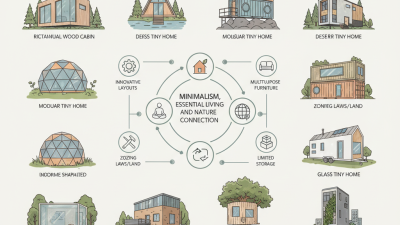
This chart illustrates the various reasons to consider investing in tiny mobile homes in 2023. The data highlights aspects such as affordability, mobility, sustainability, minimalism, and investment growth, showcasing the increasing popularity of tiny mobile homes as a viable investment option.
The Economic Advantages of Investing in Tiny Mobile Homes
Investing in tiny mobile homes offers remarkable economic advantages. These homes come with lower initial costs compared to traditional real estate. A smaller space means lower utility bills and maintenance costs. The mobility factor allows owners to relocate easily, adding versatility to the investment.
Consider this: tiny mobile homes often have lower property taxes. This can significantly boost your return on investment in the long run. Location flexibility can also lead to higher rental income potential in desirable areas. Cash flow from renting can be a reliable source of income, especially in a dynamic housing market.
Tips for potential investors include researching local laws on tiny homes. Regulations vary widely, impacting where you can place your home. Try attending local workshops or networking events to meet experienced investors. Their insights can highlight potential pitfalls in your investment journey. Analyze your target market carefully, as preferences differ. A well-informed decision enhances your chances of success.
Flexibility and Mobility: Key Benefits of Tiny Mobile Homes
Tiny mobile homes offer unique advantages in flexibility and mobility. According to the American Tiny House Association, about 68% of tiny house owners report improved well-being. These homes can be moved easily, allowing owners to relocate with minimal effort. This adaptability appeals to those seeking lifestyle changes or job opportunities in new areas.
The flexibility of tiny mobile homes enables diverse living arrangements. Reports indicate that over 75% of people who downsize to tiny living enjoy reduced expenses. Tiny homes can be placed on established properties or in approved communities, creating options that suit varying budgets. Moreover, they often require fewer resources to build and maintain, leading to a lighter environmental footprint.
However, the mobility aspect can pose challenges. Not all locations permit tiny homes; zoning laws may restrict where they can be parked or built. Additionally, some owners struggle with finding adequate utility connections for their mobile houses. Evaluating these factors is crucial before embarking on a tiny home journey. Balancing mobility with legal requirements ensures a smoother experience in this evolving market.
Environmental Impact and Sustainability of Tiny Living
Tiny mobile homes have gained popularity due to their sustainability and lower environmental impact. According to the U.S. Department of Energy, tiny homes use about 40% less energy than traditional houses. This significant reduction makes them an attractive option for eco-conscious investors. Additionally, many tiny homes are built with recycled materials. This contributes to resource conservation, making them more appealing in today's green economy.
Tiny living often encourages a minimalist lifestyle. Studies show that fewer possessions lead to reduced consumption and waste. A 2021 report from the National Association of Home Builders indicated that tiny homes produce much less greenhouse gas during their lifecycle than larger homes. However, potential investors should note the challenges. Limited space can lead to complications in accommodating families or guests.
Investing in tiny mobile homes may present unique challenges. Land availability can be an issue. Urban areas often have strict zoning laws. These laws can restrict where tiny homes can be placed. These factors warrant careful consideration before investing. Nonetheless, tiny mobile homes represent a growing trend towards a more sustainable future.
Why Choose Tiny Mobile Homes for Your Next Investment? - Environmental Impact and Sustainability of Tiny Living
| Aspect |
Traditional Homes |
Tiny Mobile Homes |
| Carbon Footprint |
Over 8,000 lbs CO2/year |
Approximately 3,000 lbs CO2/year |
| Energy Consumption |
Average 10,500 kWh/year |
Average 3,000 kWh/year |
| Water Usage |
Approximately 100,000 gallons/year |
Approximately 30,000 gallons/year |
| Building Materials |
Requires more resources |
Utilizes less material due to size |
| Maintenance Costs |
Higher over time |
Lower due to simplified systems |
| Land Use |
Requires larger plots |
Requires significantly less land |
Market Trends and Future Potential for Tiny Mobile Homes
Tiny mobile homes are gaining traction in the real estate market. According to a recent report by the National Association of Realtors, the tiny home market is projected to grow 7.4% annually. This trend reflects rising interest in affordable housing solutions. Many people are seeking alternatives to traditional housing due to escalating property prices. A tiny mobile home can cost significantly less than a conventional home, attracting investors and homeowners alike.
The future potential for tiny mobile homes lies not just in affordability but also in sustainability. A study from the U.S. Green Building Council indicates that smaller homes require fewer resources to build and maintain. This aligns with a growing consumer preference for eco-friendly living. Tiny mobile homes often come equipped with energy-efficient features, pointing to a shift in buying patterns. Yet, some investors may overlook zoning regulations. Each area has different codes, which can complicate the placement of these homes.
Investing in tiny mobile homes carries a mix of opportunities and challenges. As more people prioritize minimalism, tiny homes may offer substantial returns. However, the market can be inconsistent, influenced by economic conditions. Buyers must do thorough research. Understanding the unique factors affecting this market is crucial for successful investment.