How to Choose the Best Portable Tiny Home for Your Lifestyle Needs
The rising popularity of portable tiny homes reflects a significant shift in the housing market, as more individuals seek to embrace the minimalist lifestyle while maintaining mobility and flexibility. According to the U.S. Census Bureau, the average size of a new single-family home has increased over the decades, yet a growing segment of the population now favors smaller, more efficient living spaces. A 2021 study by the American Tiny House Association revealed that 68% of tiny home owners are satisfied with their choice of downsizing, primarily due to reduced living costs and a smaller environmental footprint.
As we approach 2025, evaluating the best portable tiny homes becomes crucial for those looking to align their housing with their lifestyle needs. The demand for these compact and versatile living solutions surged by approximately 20% between 2020 and 2022, showcasing an increasing trend towards sustainable living and mobility. Understanding the unique features, layouts, and amenities of portable tiny homes will help prospective buyers navigate their options effectively. In this guide, we will explore the top five portable tiny homes available in the market today, tailored to diverse lifestyles, ensuring that every individual can find their perfect fit in the evolving landscape of modern living.
Understanding Your Lifestyle and Space Requirements
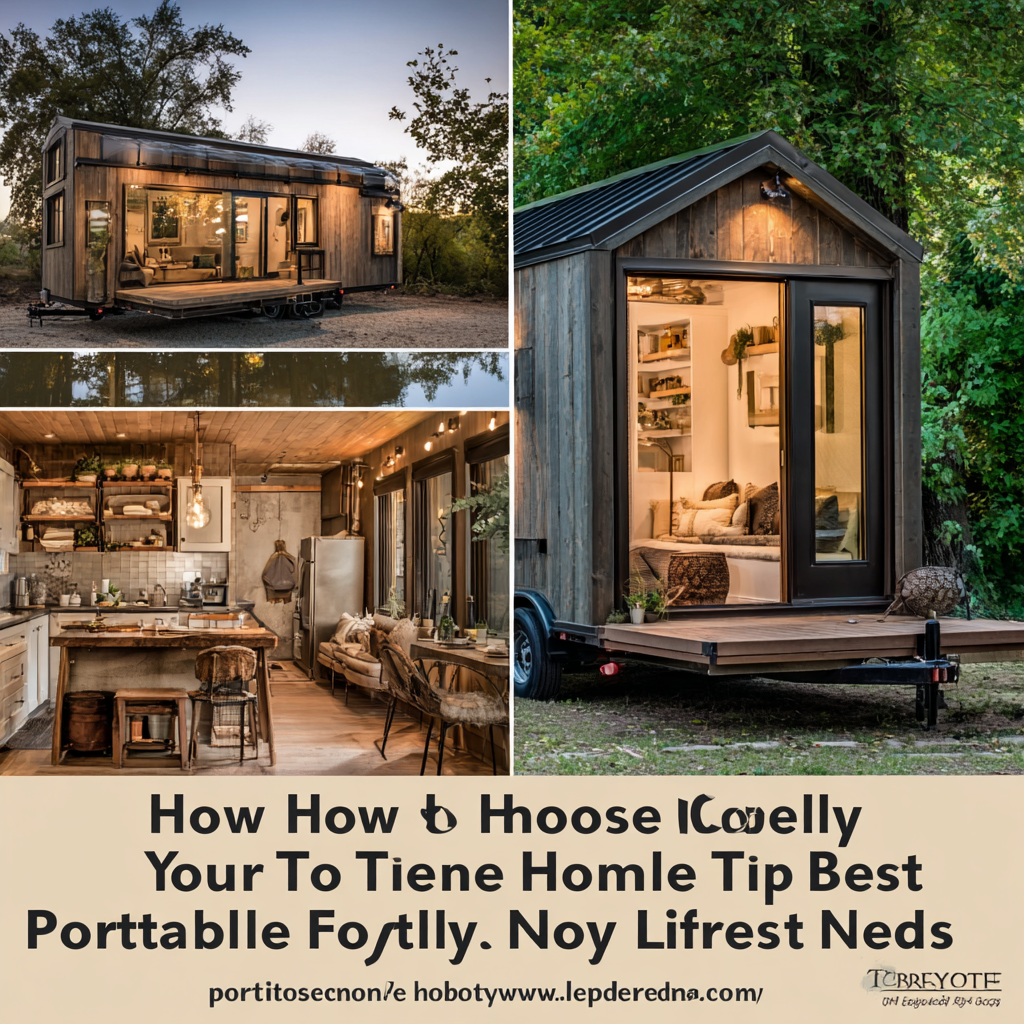
When selecting the perfect portable tiny home, understanding your lifestyle and space requirements is paramount. According to the American Tiny House Association, 68% of tiny home owners report living more sustainably, and many emphasize the importance of space efficiency. This clarity can help potential buyers avoid common pitfalls associated with underestimating their personal needs.
For example, a minimalist single professional may thrive in a 100-square-foot design, while a family with children might require at least 300 square feet to ensure comfort and functionality.
Furthermore, lifestyle factors such as hobbies and daily routines should influence your decision. The Tiny Life reports that around 50% of tiny home owners engage in outdoor activities, suggesting a need for adaptable spaces that can accommodate gear storage or workstations.
Assessing your passions, such as gardening or crafting, can guide you in selecting features that cater to these interests, ultimately enhancing your living environment. By integrating these considerations into your selection process, you can better align your new tiny home with your unique lifestyle.
Evaluating Essential Features for Portable Tiny Homes
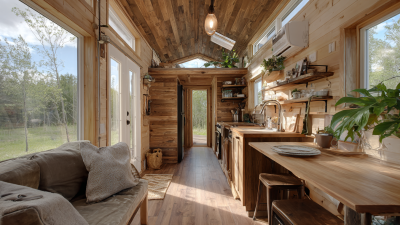
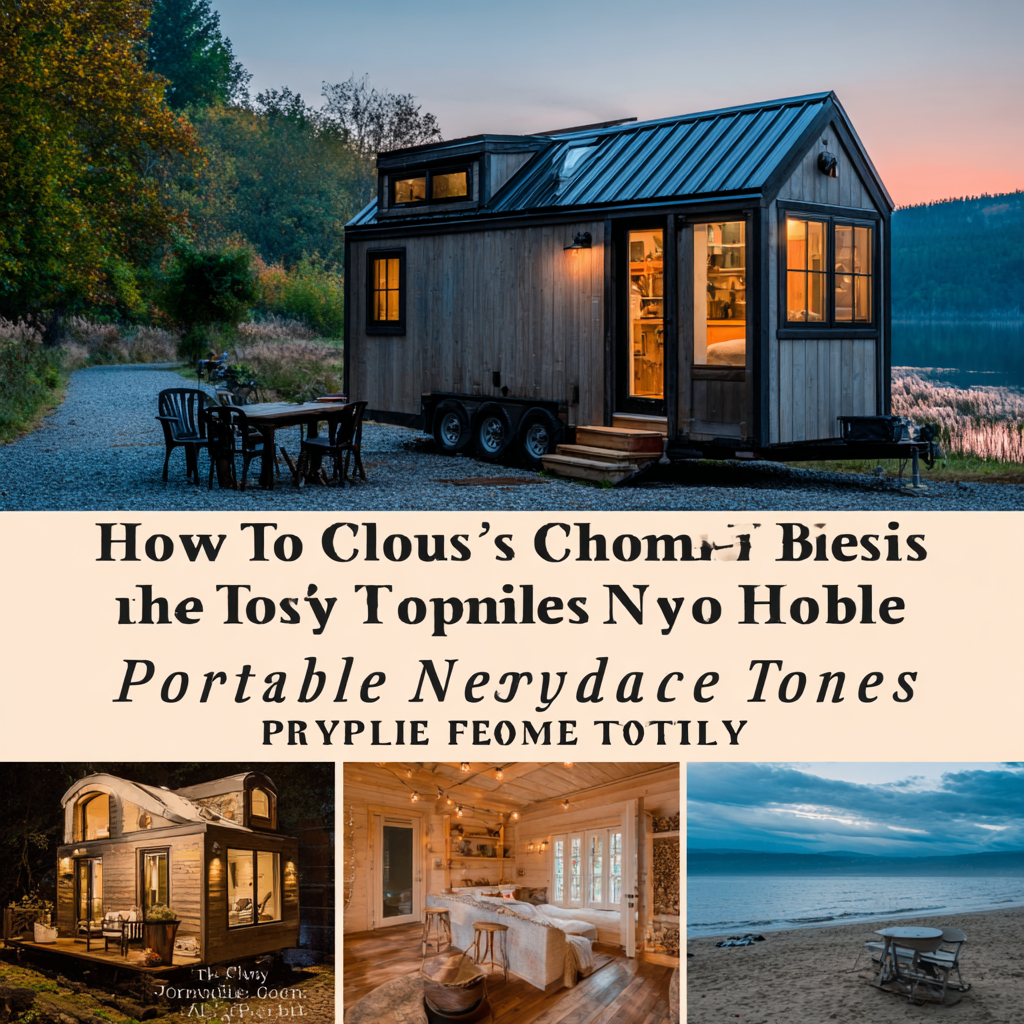 When evaluating essential features for portable tiny homes, the first aspect to consider is the layout and design. A well-thought-out floor plan maximizes space efficiency, ensuring that every square foot serves a purpose. Look for layouts that incorporate multifunctional furniture, such as foldable tables or beds with built-in storage. This optimizes space and enhances livability, allowing residents to adapt their environment to their daily needs.
Another crucial feature is the materials used in construction. Portable tiny homes should be lightweight yet durable, which often leads to options like engineered wood or metal frames. Assess energy efficiency as well; homes with quality insulation and energy-efficient windows not only reduce utility costs but also contribute to sustainability goals. Additionally, consider the presence of essential utilities, including plumbing and electricity, ensuring they meet your lifestyle requirements while being easy to set up in various locations.
Comparing Different Tiny Home Models and Designs
When it comes to choosing the best portable tiny home, understanding the differences between various models and designs is crucial. Tiny homes come in a variety of forms, from traditional wood-frame houses to modern, high-tech constructions. You should consider the layout, size, and amenities that align with your lifestyle. For instance, families may require more sleeping areas, while solo dwellers might prioritize open spaces.
Tips: Look for flexible designs that allow you to maximize space, such as foldable furniture and multi-functional rooms. Also, assess the material durability and insulation quality, especially if you plan to live in your tiny home year-round.
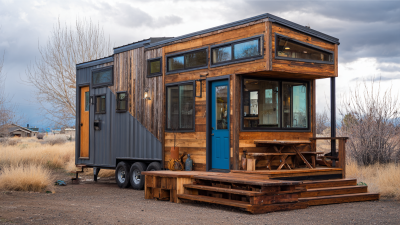
Consider the type of mobility you desire as well. Some tiny homes are built on trailers, while others may be more stationary. If you prefer to travel frequently, a lightweight model will be beneficial. However, for those who envision a more permanent setup, investing in a solid foundation might be the right choice.
Tips: Research local building codes and regulations to ensure compliance. Connect with other tiny home owners to gain insights on their experiences, which can heavily influence your decision-making process.
Assessing Budget Considerations and Financing Options
When selecting the best portable tiny home for your lifestyle needs, one of the first considerations should be your budget. According to the Tiny Home Industry Association, the
average cost of a tiny home can range from $30,000 to $60,000, depending on size and amenities. While they offer a more affordable living solution than traditional homes,
buyers should also account for additional costs such as land purchase, utilities, and maintenance. A well-thought-out budget not only helps you understand what you can afford
but also allows for potential unexpected expenses.
Financing options for tiny homes are increasingly diverse. Many lenders treat tiny homes as RVs or manufactured homes, which can affect loan approval and interest rates.
A recent report from the National Association of Realtors indicated that 63% of tiny home buyers utilize personal loans or RV loans, while only 37% secure traditional mortgages.
Additionally, some credit unions and banks are starting to offer specific loans tailored for tiny homes, providing borrowers with more favorable terms. Exploring various financing routes, including peer-to-peer lending
and owner financing, can greatly enhance your purchasing power and enable a smoother path to homeownership.
Finding Trusted Manufacturers and Quality Builders
When embarking on the journey to find the
perfect portable tiny home, selecting trusted manufacturers and quality builders is crucial. Start by researching companies that specialize in tiny homes and have a solid reputation within the industry. Look for positive reviews and testimonials from previous customers, as these can provide valuable insights into the reliability and craftsmanship of the builders. Additionally, checking if the manufacturer is part of industry associations can indicate a commitment to quality standards.
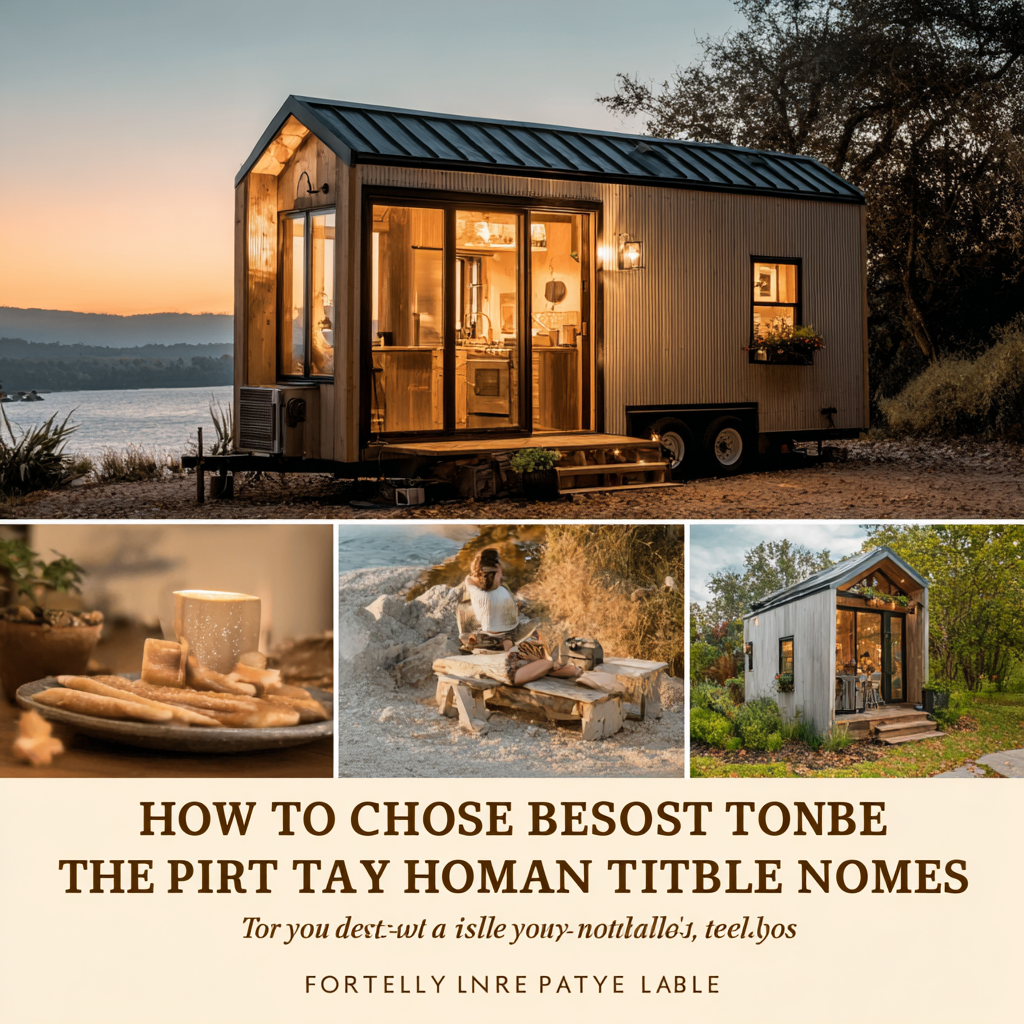
Another step in this process is to visit model homes or showrooms, if possible. This firsthand experience allows you to gauge the quality of construction and materials used. During your visit, ask questions about the building process, customization options, and after-sales service. Engaging directly with builders can help you assess their expertise and willingness to meet your specific lifestyle needs. Remember, investing time in finding the right builder not only ensures a high-quality tiny home but also guarantees that your new living space aligns seamlessly with your lifestyle preferences.