How to Choose the Best Manufactured Tiny Homes for You?
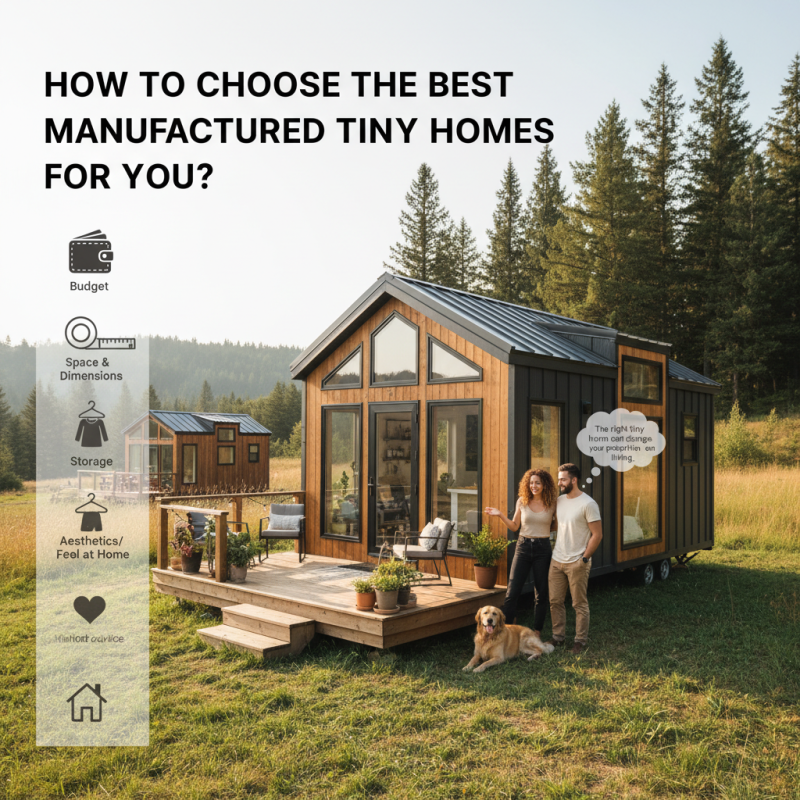
Choosing the right manufactured tiny home can be a challenging journey. Many factors influence the decision-making process. “The right tiny home can change your perspective on living,” says Brad Kittle, a leading expert in the manufactured tiny homes industry.
When considering manufactured tiny homes, you must look at multiple aspects. Think about your lifestyle needs, budget, and the aesthetics you prefer. It’s essential to feel at home in a smaller space. However, not every tiny home fits everyone’s vision. Some designs may seem appealing but lack practicality.
Reflect on the space you require. Will it accommodate your current lifestyle? It's easy to overlook storage options in smaller homes. Balance your ideals with functional needs. Take time to visualize how you'll use the space. A hasty choice might lead to dissatisfaction later. Remember, manufactured tiny homes should complement your life, not complicate it.
Understanding Manufactured Tiny Homes and Their Benefits
Manufactured tiny homes have surged in popularity. They offer an affordable way to own property. These homes are typically built off-site and moved to their final location. They are especially appealing for those seeking minimalism. Many enjoy downsizing and simplifying their lives. However, understanding their benefits is crucial before making a choice.
One notable advantage is energy efficiency. Many tiny homes use sustainable materials and modern insulation. This can lead to lower utility bills over time. However, some may find limited space challenging. Storage can be an issue, and it requires creative solutions. Organizing belongings is vital, but not everyone excels in this area.
Another benefit is the flexibility of location. Tiny homes can be placed in various settings, from rural areas to urban lots. This allows homeowners to choose their ideal environment. But not every locale is accommodating. Zoning laws may restrict where you can park your home. Research can feel overwhelming, especially when regulations differ. Such challenges are part of the decision-making process.
Key Factors to Consider When Choosing a Tiny Home
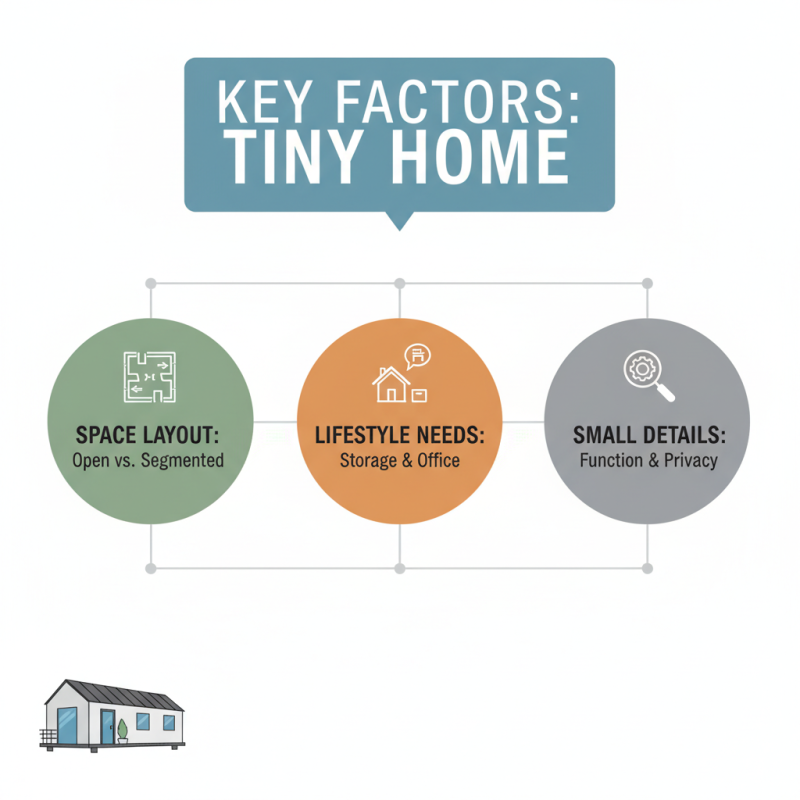
When choosing the best manufactured tiny home, several key factors deserve attention. Space layout is crucial. Think about how you will use each area. Open designs can feel more spacious, but segmented spaces may offer better privacy and functionality. Consider your lifestyle. Do you need extra storage? Is a home office important? Small details make a big difference.
Another significant factor is energy efficiency. Look for well-insulated homes. Efficient windows and appliances can save you money long-term. Sometimes, these options may seem more expensive upfront, but they often yield savings later. You might also want to check the materials used in construction. Sustainable materials can enhance the home’s longevity.
Finally, don't overlook location. A tiny home should match your lifestyle preferences. Can you access essential amenities easily? Are there community restrictions? These can impact your living experience. Reflect on these elements thoroughly. Choosing a tiny home is a personal journey. Each aspect needs careful consideration to ensure your choice meets your unique needs and values.
Exploring Popular Styles and Designs of Manufactured Tiny Homes
When exploring popular styles and designs of manufactured tiny homes, it's essential to understand the various options available. Many buyers often gravitate towards modern designs that emphasize minimalism. According to recent industry reports, contemporary tiny homes can range from 200 to 400 square feet. These homes often include open floor plans, large windows, and eco-friendly materials. This design choice aims for simplicity and functionality, appealing to many people seeking a clutter-free life.
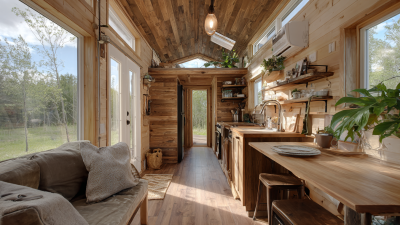
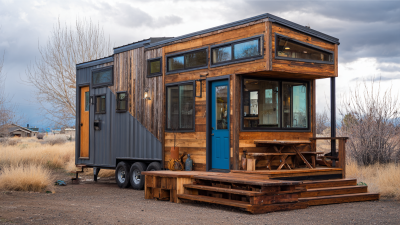
Rustic styles also capture attention. These homes typically feature wood finishes, vintage accents, and cozy interiors. Data suggests that rustic designs can enhance emotional well-being, providing warmth and comfort. However, it's worth noting that these styles may require more maintenance. Buyers should frequently consider the balance between aesthetics and practicality when choosing a rustic home.
Another popular option is the industrial style, characterized by exposed beams and metal finishes. While visually striking, these homes might present challenges regarding insulation and energy efficiency. Industry surveys indicate that energy costs can be significantly higher in homes with poor thermal management. Aspiring tiny home owners must reflect on the long-term efficiency of their chosen design, especially in varying climates. Each style has its charm, but careful consideration is crucial in making the right choice.
Evaluating Budget and Financing Options for Tiny Home Purchases
When considering a tiny home, evaluating your budget is crucial. The average cost of a tiny home varies widely, ranging from $30,000 to $100,000. This price includes construction, land, and additional expenses like utilities. Financing options play an important role. Many buyers rely on personal loans, alternative mortgages, or even credit cards. Research shows that about 70% of tiny home owners feel financially stable with their choice.
Tips: Use a budget calculator to understand your costs. Don’t forget to include hidden costs, like permits or land fees.
The 2022 Tiny House Industry Report indicated that around 77% of tiny home buyers cited affordability as their primary reason for purchasing. However, there’s a delicate balance. Higher-end tiny homes can lead to financial strain. Many buyers underestimate ongoing costs, such as maintenance and insurance. Reflecting on these factors can prevent future regrets.
Tips: Always consult with a financial advisor before committing. Consider starting small and upgrade gradually. This approach often leads to smarter financial decisions.
How to Choose the Best Manufactured Tiny Homes for You? - Evaluating Budget and Financing Options for Tiny Home Purchases
| Feature |
Average Cost ($) |
Financing Options |
Estimated Monthly Payment ($) |
| Basic Model |
30,000 |
Personal Loan, Credit Union |
600 |
| Standard Model |
45,000 |
Mortgage, Fintech Lending |
900 |
| Luxury Model |
80,000 |
Home Equity Loan, Specialty Lenders |
1,600 |
| Custom Model |
70,000 |
Construction Loan, Savings |
1,400 |
| Eco-Friendly Model |
60,000 |
Green Loans, Grants |
1,200 |
Assessing Manufacturer Reputation and Warranty Policies
When selecting a manufactured tiny home, evaluating manufacturer reputation and warranty policies is crucial. A strong reputation often reflects quality construction and customer satisfaction. A recent industry report indicates that 70% of buyers prioritize manufacturer ratings when purchasing tiny homes. Looking at reviews and testimonials can provide insight into the experience of previous customers.
Tips: Research online forums and social media discussions about different manufacturers. This can reveal hidden strengths and weaknesses. Many buyers overlook the importance of warranty coverage. A solid warranty can protect you from unexpected repairs and maintenance costs. Studies show that homes with comprehensive warranties retain their value better.
It's also essential to ask manufacturers about their production processes. Transparency indicates trustworthiness. Not all tiny homes are created equal. Some may use subpar materials to cut costs. Reflect on what quality means to you. Settling for less could lead to regrets down the line. Don't hesitate to seek third-party inspections to ensure the home meets safety standards.
Comparison of Tiny Home Manufacturers Based on Customer Satisfaction