2025 How to Build a Small House Efficiently on a Budget
In today's rapidly evolving world, the concept of home is continuously transforming. For many, the idea of building a small house represents not just an aesthetic choice but a practical solution to living efficiently and economically. As we approach 2025, the demand for affordable housing alternatives continues to rise, making small houses an increasingly attractive option for budget-conscious individuals and families. These compact dwellings not only optimize space but also promote a sustainable lifestyle, aligning with the growing trend towards minimalism and environmental responsibility.
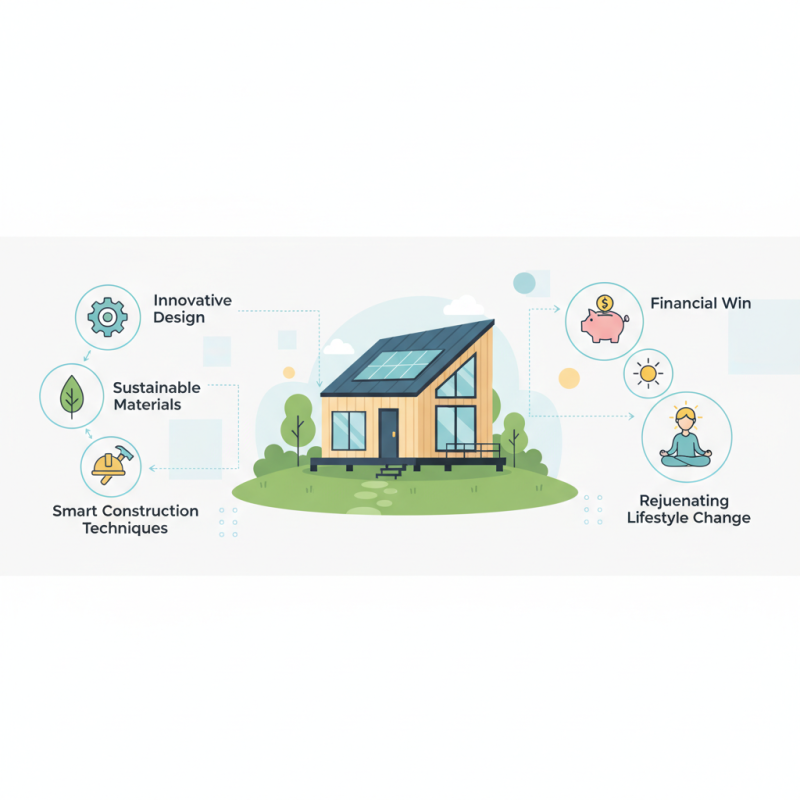
Building a small house efficiently requires careful planning and a strategic approach to savings. By focusing on innovative design, sustainable materials, and smart construction techniques, prospective homeowners can navigate their budget without compromising on quality or comfort. The journey of creating a small house reflects resourcefulness and a desire for a simpler, more meaningful existence. This guide will explore the essential elements of small house construction, providing insights and practical tips for those looking to embark on this rewarding endeavor. Ultimately, embracing the small house movement can lead to not only a financial win but also a rejuvenating lifestyle change.
Understanding Budget Constraints for Small House Construction
When embarking on the journey of building a small house on a budget, understanding budget constraints is crucial. The first step is to establish a clear financial plan that outlines all potential costs. This includes the price of land, materials, labor, permits, and any additional features you may want to incorporate. By creating a detailed budget, you can identify areas that may require adjustments or compromises to ensure that the project remains financially viable.
Next, prioritize essential elements over luxury items. For instance, instead of focusing on high-end finishes, consider investing in durable, cost-effective materials that offer longevity and efficiency. Also, simplify the design of the house; a smaller footprint can significantly reduce costs related to materials and labor. Utilizing multifunctional spaces and open floor plans can enhance livability without increasing expenses. Ultimately, navigating budget constraints requires careful planning and the willingness to make thoughtful choices that align with both financial limits and personal preferences.
2025 Budget Allocation for Small House Construction
This bar chart illustrates the budget allocation for different stages of small house construction in 2025. It provides insights into how funds are distributed across key components such as foundation, framing, roofing, plumbing, electrical work, and finishing touches.
Choosing the Right Location and Land for Your Small House
Choosing the right location and land for your small house is a fundamental step in ensuring the project remains budget-friendly while meeting your personal needs. When considering land, factors such as proximity to amenities, zoning regulations, and the overall environment play a crucial role. According to the National Association of Home Builders, approximately 40% of homebuyers prioritize location over other factors, underscoring the importance of selecting a site that aligns with both your lifestyle and budget. Additionally, it's essential to investigate the average cost of land in your desired area, as prices can vary significantly even within a single state.
Furthermore, understanding zoning laws and land use regulations can save you from unforeseen expenses during the building process. Local regulations may dictate allowable house sizes, styles, and the distance from property lines, which can significantly impact your design and overall cost. A report from the Urban Land Institute indicates that zoning complexities can add anywhere from 10% to 20% to the total cost of construction if not thoroughly understood at the outset. Therefore, doing your research and possibly consulting local experts can ensure that you secure a plot of land conducive to building your small house efficiently and within your financial constraints.
Essential Design Principles for Space Efficiency and Affordability
When embarking on building a small house on a budget, prioritizing space efficiency is essential. The National Association of Home Builders (NAHB) reports that the average size of new homes has been steadily increasing, but the shift towards smaller, more efficient living spaces is growing. A focus on essential design principles, such as open floor plans and multifunctional furniture, can drastically enhance the usability of smaller homes. For instance, incorporating furniture that serves multiple purposes can reduce clutter, allowing for a more spacious feel within limited square footage.
Moreover, maximizing natural light with strategically placed windows can further enhance the perception of space and improve energy efficiency. According to a 2022 study by the U.S. Department of Energy, homes with optimized natural lighting can reduce lighting costs by up to 40%. This principle not only fosters a brighter and more inviting environment but also reinforces the home's overall efficiency. To maintain affordability, employing prefabricated materials and modular designs can lower construction costs, aligning with current trends that emphasize sustainability and smart resource management. Implementing these design principles ensures that constructing a small house remains both practical and affordable, creating a functional sanctuary within a constrained budget.
Materials Selection: Cost-Effective and Sustainable Options
When building a small house efficiently on a budget, selecting materials wisely is crucial for both cost-effectiveness and sustainability. According to a report by the National Association of Home Builders (NAHB), nearly 60% of homebuilders prioritize the use of sustainable materials, highlighting a growing trend toward eco-friendly construction practices. Utilizing locally sourced materials can significantly reduce transportation costs and environmental impact, while also supporting the local economy. For instance, materials like reclaimed wood or recycled metal not only add aesthetic value but can also be cost-effective alternatives to new materials.
Moreover, energy-efficient options such as insulated concrete forms (ICFs) or structural insulated panels (SIPs) can result in long-term savings on energy bills. A study by the U.S. Department of Energy notes that homes built with ICFs can save up to 20% in heating and cooling costs compared to traditional building methods. Incorporating renewable materials, such as bamboo or cork, can further lower the ecological footprint. These materials not only provide excellent durability but are also renewable and sustainably sourced. By focusing on these cost-effective and sustainable options, builders can create homes that are not only affordable but also environmentally responsible, paving the way for a greener future in housing.
Managing Your Construction Timeline and DIY Strategies for Savings
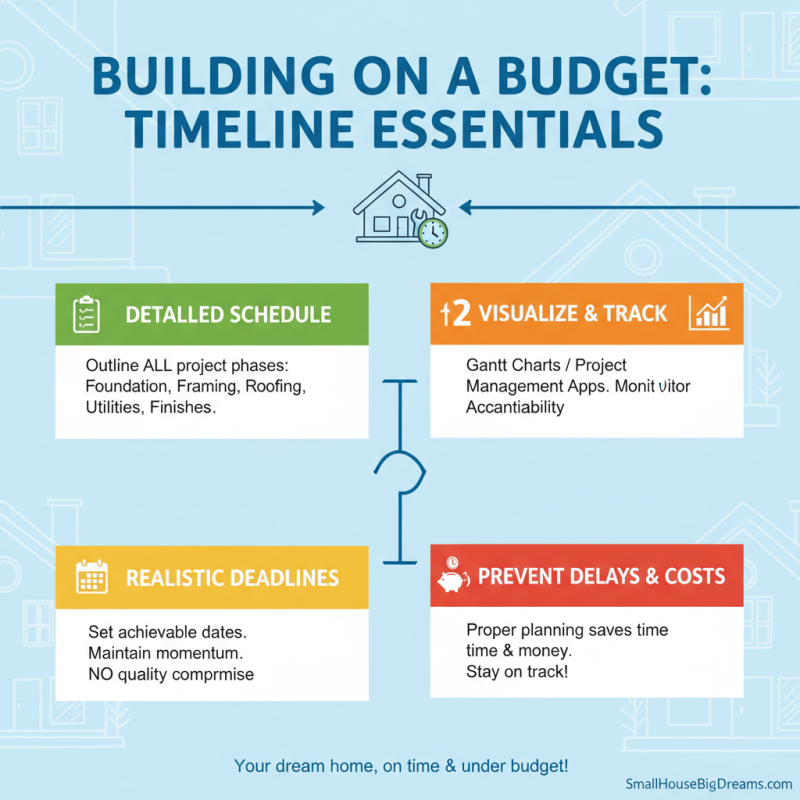
When embarking on the journey of building a small house on a budget, managing your construction timeline becomes essential. Proper planning can prevent delays and unnecessary costs. Start by creating a detailed schedule that outlines each phase of the project, from foundation work to finishing touches. Utilize tools like Gantt charts or project management apps to track progress and keep everyone involved accountable. Additionally, setting realistic deadlines will help maintain momentum without compromising the quality of the work.
Incorporating DIY strategies can significantly enhance your savings during the construction process. Identify tasks that you can handle yourself, such as painting, landscaping, or even smaller structural elements. This not only reduces labor costs but also allows you to put a personal touch on your project. However, be mindful of your skills and availability; overextending yourself can lead to delays. Seek assistance from family or friends for larger tasks or consider community workshops that provide education and resources for DIY construction. By combining efficient scheduling with thoughtful DIY efforts, you can achieve your goal of building a small house that meets your financial and personal expectations.