7 Best Modern Tiny Homes for Stylish and Sustainable Living
As the search for sustainable living solutions intensifies, modern tiny homes emerge as a compelling option for those seeking a stylish yet eco-friendly lifestyle. According to a recent report by the American Tiny House Association, the tiny home market is projected to grow at a CAGR of over 7% in the next five years, reflecting an increasing preference among consumers for smaller living spaces that offer a reduced environmental footprint.
Industry expert Dr. Sarah Jennings, a renowned architect and sustainability advocate, emphasizes the transformative impact of this movement, stating, "Modern tiny homes not only provide an innovative solution to housing crises but also promote a profound shift towards sustainable living." Such homes often incorporate energy-efficient designs, sustainable materials, and innovative space-saving solutions that cater to the evolving needs of a conscious society.
In light of these developments, we explore the seven best modern tiny homes that exemplify the principles of stylish and sustainable living, showcasing how compact spaces can be both functional and aesthetically pleasing. From cutting-edge designs to eco-friendly innovations, these residences reflect a lifestyle choice that embraces minimalism while prioritizing environmental stewardship.
Definition of Modern Tiny Homes and Their Appeal
Modern tiny homes have captured the attention of eco-conscious individuals and minimalists alike, largely due to their unique blend of style and sustainability. By definition, a modern tiny home typically ranges from 100 to 400 square feet, prioritizing functionality and efficiency over space. According to a recent survey by the American Tiny House Association, over 68% of tiny home owners report a significant decrease in living costs, which allows them to pursue a lifestyle that is not only affordable but also environmentally friendly.
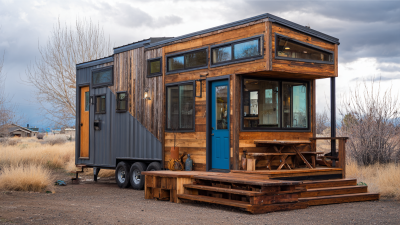
One of the key appeals of modern tiny homes lies in their construction methods and materials. Many of these homes are built using sustainable resources like reclaimed wood, recycled materials, and energy-efficient systems, which contribute to a smaller carbon footprint. A report from the National Association of Home Builders noted that homes on the market are now increasingly focusing on energy efficiency, with 38% of builders incorporating solar panels and water-saving appliances into new builds. This trend highlights a growing awareness of sustainable living practices among consumers.
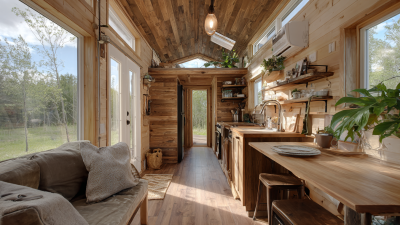
Tip: When considering a tiny home, focus on optimizing your space. Multifunctional furniture, such as foldable tables and built-in shelving, can maximize function without compromising design.
Moreover, while tiny homes can drastically reduce living expenses, they also promote a simplified lifestyle. Owners often report increased quality of life and reduced stress, as the minimalist approach encourages less clutter and more mindfulness.
Tip: Embrace decluttering techniques, such as the KonMari method, to streamline your belongings before moving into your tiny home. This will ensure that every item you keep brings you joy, aligning with the philosophy of modern tiny living.
Key Features of Stylish Tiny Homes for Sustainable Living
Stylish and sustainable living has never been more attainable, particularly through the lens of modern tiny homes. These compact dwellings not only reduce one’s ecological footprint but also emphasize aesthetic appeal without compromising functionality. A report from the American Institute of Architects indicates that the movement toward tiny homes has grown by over 80% in the last five years, driven by consumers seeking more sustainable and minimalistic lifestyles. Key features of these tiny homes often include energy-efficient appliances, smart home technology, and eco-friendly materials that contribute to a lower carbon footprint.
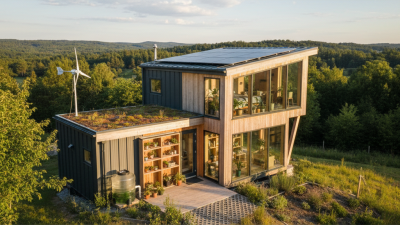
For those looking to invest in a stylish tiny home, consider incorporating natural light through strategic window placements and skylights. According to the National Association of Home Builders, homes flooded with natural light can reduce energy consumption by up to 20%. Additionally, many modern tiny homes utilize solar panels, allowing homeowners to harness renewable energy and further decreasing their reliance on nonrenewable resources.
Tip: When selecting a tiny home design, prioritize an open floor plan that not only enhances the feeling of spaciousness but also promotes effective airflow and natural ventilation. This not only improves indoor air quality but also creates a more inviting and comfortable living environment. Opting for sustainable materials, such as reclaimed wood or recycled metal, can also elevate the style of your tiny abode while supporting environmental conservation efforts.
Top 7 Contemporary Tiny Home Designs for Eco-Friendly Lifestyles
The shift towards eco-friendly lifestyles has gained significant momentum, with contemporary tiny home designs at the forefront of this movement. According to the U.S. Department of Energy, housing accounts for approximately 22% of annual greenhouse gas emissions. Tiny homes present a sustainable alternative, often utilizing eco-conscious materials and energy-efficient technologies that minimize their carbon footprint. Many designs incorporate renewable energy sources, such as solar panels, and utilize high-quality insulation to reduce energy consumption for heating and cooling.
When considering a tiny home, it's beneficial to focus on layout and resource management. For instance, open floor plans can enhance natural light, reducing the need for artificial lighting during the day. Additionally, integrating multi-functional furniture allows owners to maximize space while maintaining style. Data from the American Institute of Architects highlights a growing interest in tiny homes, with 68% of architects noting a rise in demand for smaller living spaces due to their sustainability and affordability.
Tip: To further enhance eco-friendliness, consider using reclaimed or sustainably-sourced materials for your interior finishes. This not only reduces waste but also adds a unique character to your tiny home. Furthermore, planting native gardens around your tiny home can promote local biodiversity and help create a natural cooling effect, reducing reliance on energy-intensive cooling systems. Embracing these principles can lead to more stylish, modern living that aligns with sustainable values.
Innovative Materials and Techniques Used in Modern Tiny Homes
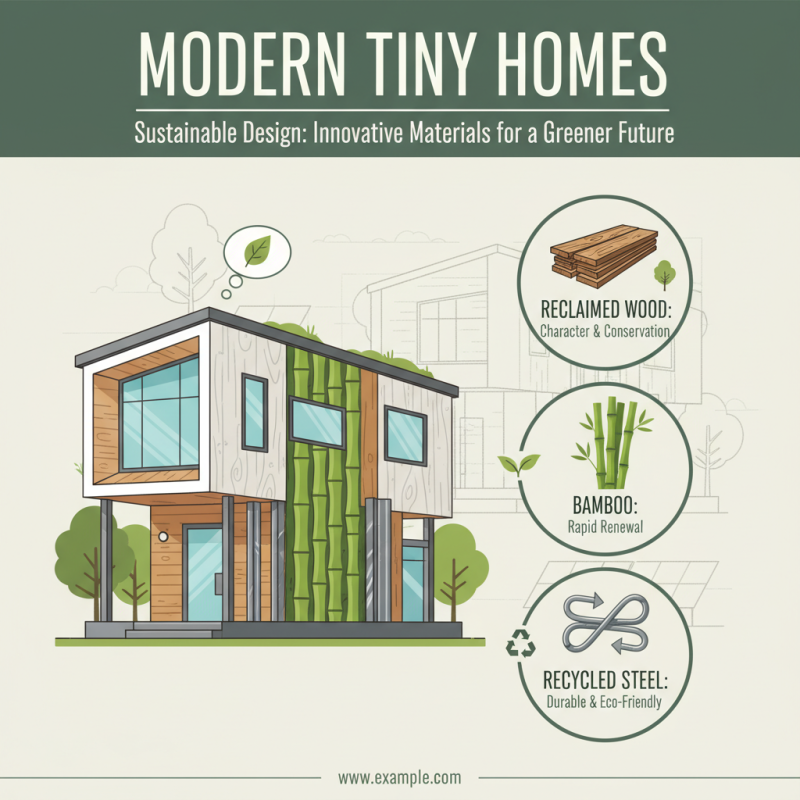
Modern tiny homes have revolutionized the way we think about living spaces by emphasizing sustainable design through innovative materials and construction techniques. One key aspect of these homes is the use of eco-friendly building materials such as reclaimed wood, bamboo, and recycled steel. These materials not only reduce the environmental impact but also add a unique aesthetic that reflects contemporary design sensibilities. For instance, reclaimed wood imbues tiny homes with character while minimizing the need for new lumber, thereby conserving forests and reducing carbon footprints.
In addition to materials, modern tiny homes often employ cutting-edge building techniques to maximize efficiency. Prefabrication is a popular method, where components are manufactured off-site and assembled quickly on location, reducing construction waste and time. Furthermore, many tiny homes feature advanced insulation solutions, enabling better energy efficiency and year-round comfort. Solar panels are frequently integrated into designs, harnessing renewable energy and allowing homeowners to reduce their reliance on traditional power sources. With these innovative approaches, modern tiny homes not only offer stylish living but also promote a sustainable lifestyle that aligns with eco-conscious values.
Benefits of Tiny Home Living for Minimalist and Green Philosophies
Adopting a tiny home lifestyle embodies the principles of minimalism and sustainability, making it an increasingly popular choice for those seeking a more intentional way of living. At its core, tiny home living encourages individuals to reevaluate their possessions and prioritize what genuinely brings joy and utility to their lives. By minimizing physical space and material goods, residents cultivate a mindset centered on experiences rather than things, fostering a less cluttered and more fulfilling existence.
Moreover, tiny homes often utilize eco-friendly materials and energy-efficient designs, aligning perfectly with green philosophies. The reduced square footage naturally leads to lower energy consumption, which translates into a smaller carbon footprint. Many tiny homeowners implement sustainable practices such as rainwater harvesting, solar energy, and composting, further enhancing their commitment to the environment. This integration of modern design with eco-consciousness not only promotes individual well-being but also contributes positively to the planet, making tiny home living a compelling choice for the environmentally aware.
Benefits of Tiny Home Living