2026 Best Mini Homes Trends You Need to Know?
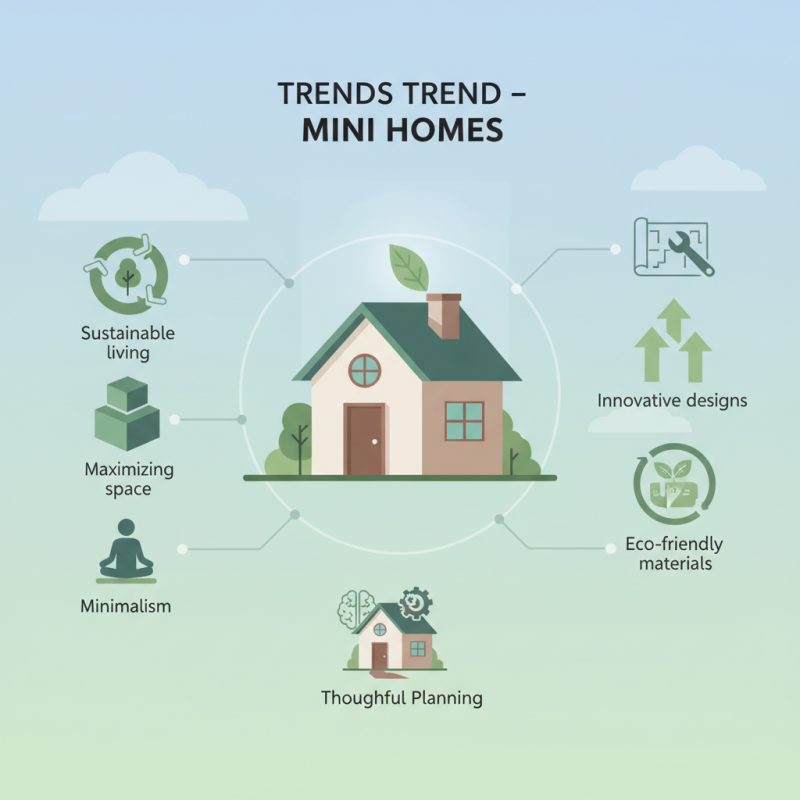
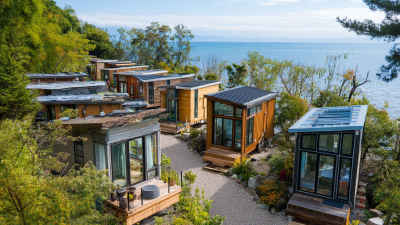
As we approach 2026, the popularity of mini homes continues to rise. These compact dwellings offer unique benefits. Mini homes provide sustainable living options while maximizing space. They encourage minimalism in a world obsessed with excess.
However, it's essential to consider the challenges of mini homes. Limited space can lead to lifestyle adjustments. Downsizing our belongings is not always easy. Many struggle with letting go of possessions that hold sentimental value.
In this article, we’ll explore key trends shaping the mini homes movement. From innovative designs to eco-friendly materials, there's much to uncover. Embracing change can be difficult, but the rewards of mini living are significant. With thoughtful planning, mini homes could transform our approach to housing.
2026 Mini Homes: Overview of Emerging Design Trends in the Industry
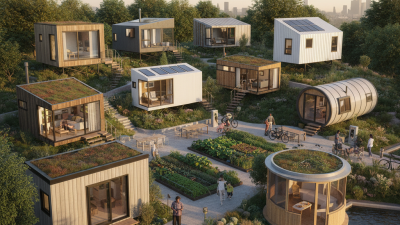
As we look towards 2026, the mini homes industry is evolving rapidly. Emerging design trends reveal a strong focus on sustainability. Reports show that 75% of buyers prefer eco-friendly materials. Many designs now incorporate reclaimed wood and recycled metals. This shift reflects a broader commitment to reduce carbon footprints.
Compact living spaces are also becoming more innovative. Multi-functional furniture is a key feature in new designs. Studies indicate that 60% of mini home owners value versatile spaces. For example, a couch can double as a bed, maximizing limited square footage. However, some designs struggle with layout efficiency, necessitating careful planning.
Incorporating smart home technology is another rising trend. Many new models feature integrated systems for energy management. While these advancements offer convenience, they can lead to technical challenges. Balancing cutting-edge features with user-friendliness is crucial for success. Overall, the mini homes movement continues to adapt, reflecting both consumer preferences and environmental considerations.
2026 Mini Homes Design Trends
Sustainable Building Materials: Eco-Friendly Choices for Mini Homes in 2026
In 2026, mini homes are embracing sustainable building materials. Innovative eco-friendly choices are becoming mainstream. Homeowners seek materials that are not only environmentally friendly but also durable and stylish. Bamboo is a popular choice, offering strength and flexibility. Its rapid growth makes it an excellent renewable resource.
Recycled steel is gaining attention as well. It is both robust and lightweight. This material reduces waste and contributes to lower carbon footprints. Another exciting option is reclaimed wood. The rich character of aged timber adds warmth and personality to tiny spaces. However, sourcing quality reclaimed wood can be challenging and requires careful selection.
Insulation materials are also evolving. Sheep’s wool is a natural insulator that is effective and sustainable. Yet, it may not be readily available everywhere. Some builders are experimenting with hemp and mycelium. These materials show promise but require more widespread acceptance. Choosing the right materials is not always easy. Homeowners must weigh aesthetics against environmental impact.
2026 Best Mini Homes Trends You Need to Know
| Features |
Sustainable Materials |
Benefits |
Estimated Cost ($) |
| Solar Panels |
Photovoltaic Glass |
Reduction in Energy Bills |
12,000 |
| Rainwater Harvesting |
Recycled Steel Tanks |
Water Conservation |
3,500 |
| Green Roofs |
Sustainable Soil and Plants |
Improved Insulation |
7,500 |
| Energy-Efficient Windows |
Triple-Glazed Units |
Increased Comfort |
5,000 |
| Natural Insulation |
Hempcrete |
Eco-Friendly and Healthy |
6,000 |
| Smart Home Technology |
Energy Management Systems |
Convenience and Energy Savings |
4,000 |
Smart Home Technology: Integrating Innovations for Efficient Mini Living Spaces
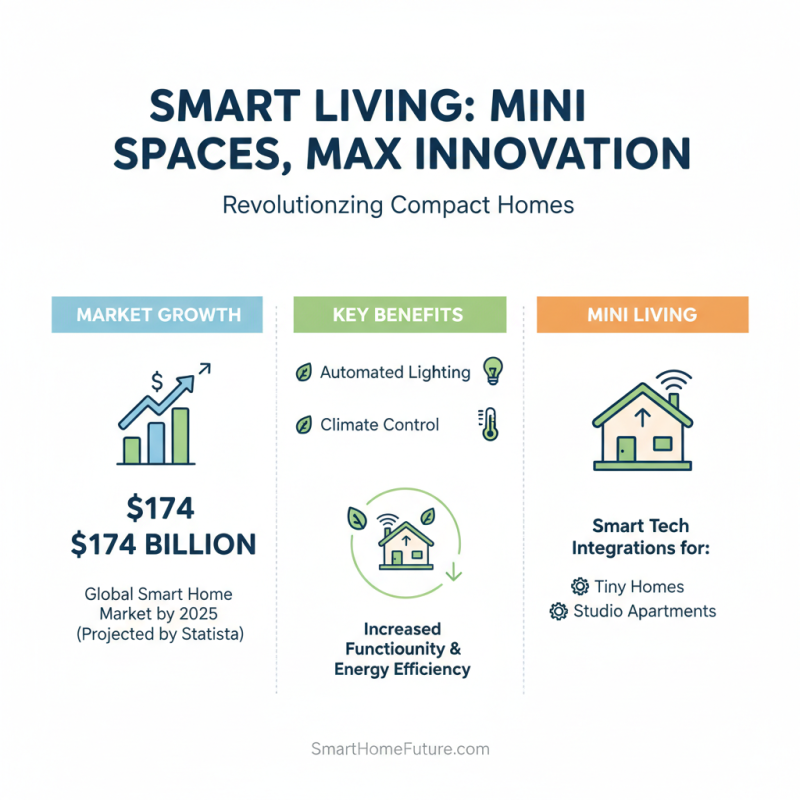
Smart home technology is revolutionizing mini living spaces. According to a recent report by Statista, the smart home market is projected to reach $174 billion by 2025. This rapid growth pushes the boundaries of innovation in compact homes. Features like automated lighting and climate control maximize functionality while minimizing energy use.
In mini homes, these technologies are not just luxuries; they are necessities. Smart sensors can monitor energy consumption in real time. A survey revealed that 70% of people living in small homes prioritize energy efficiency. However, with all this convenience, there is a risk of over-reliance on technology. Living spaces can become cluttered with gadgets, detracting from the minimalist lifestyle.
Integrated systems often require stable internet connections. For some, this can be a hurdle. Even the most advanced smart home setup may face connectivity issues. In small spaces, the balance between innovation and simplicity can break easily. Finding that sweet spot will depend on individual priorities and values.
Space Optimization Techniques: Maximizing Functionality in Mini Home Layouts
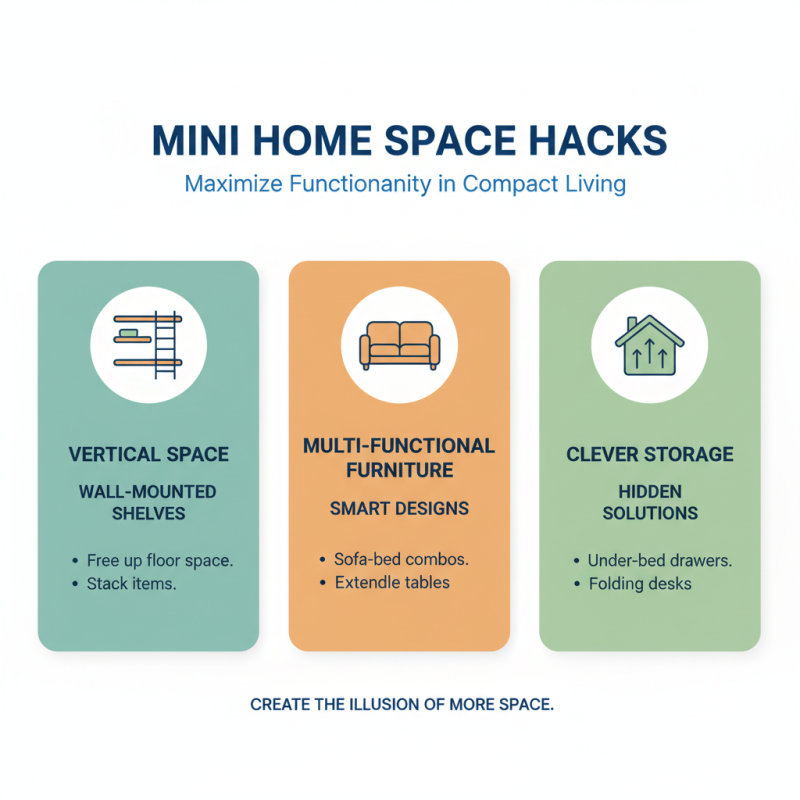
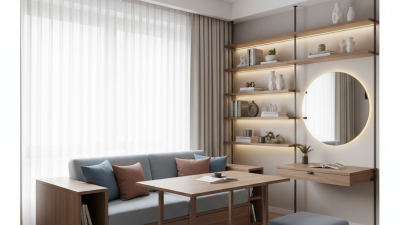
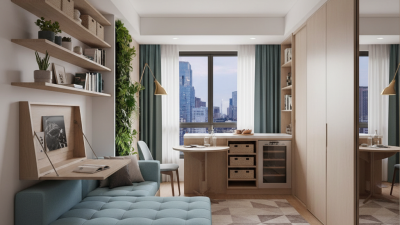
Maximizing functionality in mini homes can be challenging. However, space optimization techniques can make a significant difference. Clever use of vertical space is essential. Wall-mounted shelves free up valuable floor area. Consider stacking items or using multi-functional furniture. These strategies create an illusion of more space.
Tips: Use mirrors to reflect light. This opens up the room, making it feel larger. Choose colors wisely; light hues make a space feel airy.
Another aspect is zoning. Use rugs or furniture arrangements to define different areas. This helps organize the layout, creating distinct spaces for living, working, or relaxing.
It's not always easy to make everything fit. Some homeowners struggle with clutter. Regularly assess what you truly need. Letting go of unnecessary items is freeing. Less is often more in a mini home.
Affordable Mini Home Market: Key Statistics and Growth Projections for 2026
The affordable mini home market is rapidly growing. In 2026, statistics show a significant rise in demand for these compact living spaces. Millennials and Gen Z are leading this trend, drawn by the appeal of minimalism and lower living costs. People want more financial freedom. Many are reconsidering traditional home ownership. The average price of mini homes is expected to remain low, making them accessible.
Construction methods are evolving. Sustainable building materials are more commonly used. This trend aligns with growing environmental awareness. However, the quality of these homes varies. Not all units meet high standards. Buyers must research carefully to avoid disappointing experiences. Some designs may lack essential features or functionality.
Location plays a crucial role in the market. Mini homes in urban areas are becoming more appealing. Yet, zoning regulations can complicate matters for buyers. Understanding local laws is essential. With increased interest, the market may face challenges. Developers must adapt, ensuring that quality and affordability do not suffer. Balancing these factors will be key in shaping the future of mini homes.