What Are the 2026 Best Paper Handkerchief Types for Buyers?
Choosing the right Paper Handkerchief in 2026 requires more than comparing softness or package size. Buyers now examine fiber quality, absorbency, strength, hygiene claims, packaging, and environmental evidence. A handkerchief should feel smooth against the skin, yet remain intact when damp. That balance is easy to overlook.
Grand View Research valued the global tissue paper market at approximately USD 87.5 billion in 2023. Its analysis forecasts continued growth through 2030, supported by hygiene awareness, urban lifestyles, and premium product demand. Smithers’ 2024 tissue and hygiene report also highlights softness, sustainability, product innovation, and efficient converting as important market drivers. These findings help explain why manufacturers are developing softer facial tissues, compact travel packs, recycled-fiber options, and stronger multi-ply formats.
However, market growth does not automatically prove better quality. That assumption can fail. A higher ply count may improve strength but increase material use. Recycled content may support circularity, yet texture and whiteness can vary. Fragrance may appeal to some users but irritate sensitive skin. Buyers should therefore compare measurable details, including basis weight, ply structure, sheet dimensions, wet strength, fiber origin, and verified certifications such as FSC or PEFC.
This 2026 guide evaluates the best Paper Handkerchief types for different purchasing needs. It considers daily personal use, travel, hospitality, gifting, and bulk procurement. The goal is practical selection, not exaggerated marketing. Small details matter. A clean fold, sealed wrapper, and dependable sheet can influence the entire user experience.
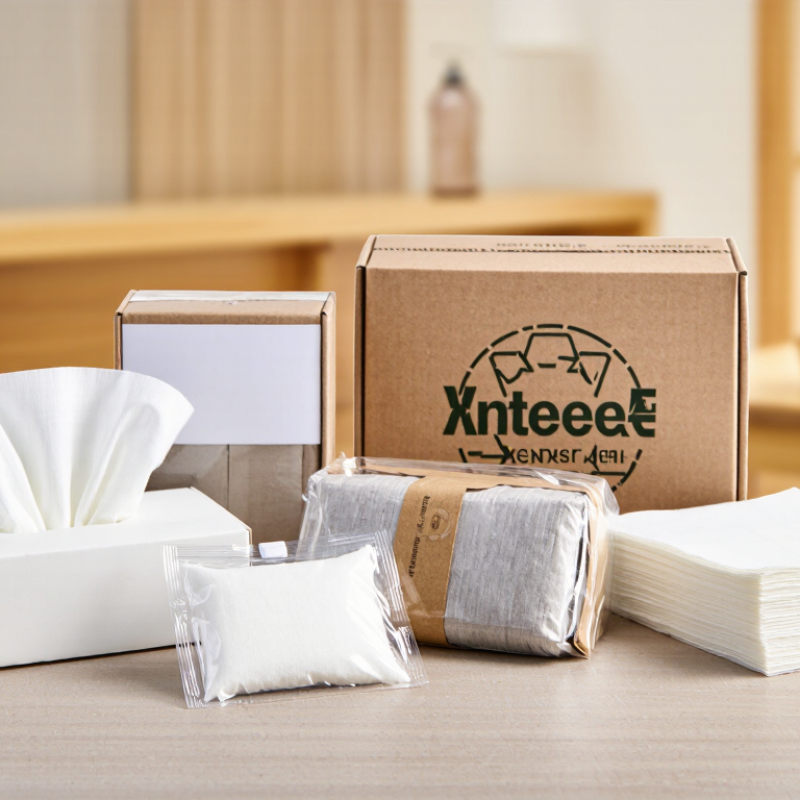
2026 Paper Handkerchief Types by Ply Count, Basis Weight, and Fiber Source
For 2026 buyers, ply count is the clearest starting point.
One-ply handkerchiefs feel thin and suit light, occasional use. Two-ply offers a better balance between softness, strength, and pocket size. Three-ply feels more protective, but it usually costs more and occupies extra space. Smithers’ tissue industry analysis identifies softness, absorbency, and sustainability as continuing purchase priorities through 2028. The trade-off is real: softness often increases material use.
Basis weight adds useful precision. A practical two-ply handkerchief may contain about 26–36 grams per square metre in total, depending on converting quality and embossing. Each ply can sit near 13–18 gsm. Higher basis weight normally improves wet handling, yet it does not guarantee a pleasant touch. Fiber bonding matters too. Buyers should inspect sheet thickness, lint, and tear resistance rather than trusting weight alone. Small details matter.
Fiber source changes both performance and environmental interpretation. Virgin bleached wood pulp usually provides a cleaner appearance and consistent strength. Recycled fiber can reduce reliance on fresh timber, but it may feel rougher or show more variation. The FAO Forestry Production and Trade database recorded global paper and paperboard production at about 401 million tonnes in 2023, showing the enormous scale of fiber demand. That figure is broad, not handkerchief-specific. Still, it deserves attention. Certifications, recycled content percentages, and pulping disclosures should be checked carefully. I would not treat “natural” wording as proof of better sourcing. Some packaging claims remain too vague.
Absorbency and Wet Strength Measured Under ISO 12625 Tissue Standards
What Are the 2026 Best Paper Handkerchief Types for Buyers?
Absorbency and Wet Strength Measured Under ISO 12625 Tissue Standards
For 2026 buyers, the best paper handkerchief depends on use, not thickness alone. A soft two-ply tissue may suit daily facial care. A stronger three-ply option may perform better during repeated wiping. For reliable comparison, check test data aligned with ISO 12625 tissue standards. ISO 12625-8 evaluates water absorption time and capacity. Faster uptake helps with sudden spills, while higher capacity supports heavier moisture.
Wet strength matters when a handkerchief contacts water, tears, or skin moisture. ISO 12625-5 measures wet tensile strength in machine and cross directions. This distinction is practical. A sheet can feel strong lengthwise but split across its width. In a simple buyer check, add a few drops of water, wait briefly, then stretch the sheet gently. It should hold together without becoming stiff or rough.
Look for test results based on conditioned samples, because humidity can change tissue performance. Recycled fiber content, ply bonding, embossing, and basis weight also affect handling. However, laboratory results cannot capture every pocket experience. A tissue with excellent wet strength may feel less soft. A very absorbent sheet may leave more lint. That trade-off is easy to overlook. I would compare softness, absorption capacity, wet tensile values, and packet size before choosing. Small sample packs help, though one test is never enough.
Recycled, Virgin-Fiber, Bamboo, and FSC-Certified Handkerchief Options
Choosing the best paper handkerchief in 2026 depends on use, fiber source, and verified performance. Recycled-fiber options can reduce demand for newly harvested wood. Their texture may feel slightly firmer, especially in thinner two-ply sheets. Some recycled tissues also shed more lint. Test a small pack before buying in bulk.
Virgin-fiber handkerchiefs usually offer a smooth feel, clean appearance, and dependable wet strength. They suit sensitive noses or frequent wiping. However, “virgin” does not automatically mean responsible. Check the fiber origin and manufacturing information. FSC-certified options provide a clearer sourcing trail when certification covers the relevant paper or packaging. Look for the certification mark and supplier details, not vague green language.
Bamboo handkerchiefs attract buyers seeking a fast-growing plant fiber. Yet bamboo processing can vary widely, so the raw material alone proves little. Ask whether the product uses bamboo pulp and whether the process is clearly disclosed. Softness is important, but durability matters during travel, cold weather, and repeated use. I have found that very soft sheets can tear too easily around moisture. That trade-off deserves attention. No option is perfect. Compare ply count, sheet size, lint, packaging, and independent test data before deciding.
2026 Paper Handkerchief Fiber Options: Buyer Comparison
The chart compares common fiber-source benchmarks: recycled products are made from recovered paper fiber, virgin-fiber products use newly manufactured pulp, bamboo options use bamboo-derived pulp, and FSC Mix products require at least 70% FSC-certified and/or recycled input under FSC labeling rules.
Values represent fiber-source composition or the minimum FSC Mix input threshold, not softness, absorbency, or overall environmental impact. Actual product specifications may differ by tissue construction and certification level.
Lotion, Fragrance-Free, Hypoallergenic, and Antibacterial Formulations Compared
What Are the 2026 Best Paper Handkerchief Types for Buyers?
Paper handkerchiefs now serve different daily needs, so buyers should compare more than softness.
Lotion-infused sheets feel smooth on dry skin and may reduce rubbing during repeated wiping. They can feel slightly slippery, however, especially when holding glasses or handling food. Some lotions also contain ingredients that irritate sensitive users.
Fragrance-free handkerchiefs are a practical choice for offices, schools, and shared spaces. They avoid added scent, which can trigger discomfort for some people. Hypoallergenic formulations may suit reactive skin, but this term does not guarantee zero irritation. Read the ingredient panel and test a small amount first. The label can still disappoint.
Antibacterial formulations require careful judgment. They may offer extra hygiene support, but they do not replace handwashing or proper tissue disposal. Buyers should check whether the product clearly explains its tested function and intended use. Avoid choosing only by impressive wording. A thicker, unscented sheet may be more useful for frequent wiping than a heavily treated one.
For everyday purchasing, examine sheet layers, wet strength, packaging hygiene, and portability. Lotion types fit dry winter conditions, while fragrance-free options work well for shared environments. Hypoallergenic products deserve attention when skin sensitivity is a concern. Antibacterial versions may suit specific routines, but their value depends on realistic use. A buyer’s priorities can change during allergy season.
Pocket-Pack Size, Sheet Dimensions, GSM, and Cost per 100 Sheets for Buyers
What Are the 2026 Best Paper Handkerchief Types for Buyers?
For 2026, the best paper handkerchief depends on use, not packaging alone. Pocket packs with 8–12 sheets fit easily beside a phone or wallet. A 10-sheet pack is convenient, but frequent users may find it insufficient. Larger packs reduce refilling, although they occupy more pocket space.
Check sheet dimensions before comparing prices. A 200 × 200 mm sheet suits everyday wiping, while a 210 × 210 mm sheet offers better coverage. GSM also matters. Higher GSM usually feels stronger, but it can increase cost and bulk. Compare GSM per ply, because some specifications describe the complete tissue stack. Two-ply paper may balance softness and durability. Three-ply feels more substantial, yet it is not always better for short trips.
Tips: Calculate cost per 100 sheets with this formula: pack price ÷ sheet count × 100. Then compare packs with similar dimensions and ply counts. Touch-test softness, inspect tearing, and check whether the pack seals securely. Recycled or responsibly sourced fibers can support a lower-impact choice, but performance should remain acceptable.
My buying mistake was choosing the lowest price per pack. The sheets were smaller and thinner than expected. I would now record dimensions, GSM, ply, and pack size together. A simple comparison table prevents misleading bargains. Small details matter.
What Are the 2026 Best Paper Handkerchief Types for Buyers? - Pocket-Pack Size, Sheet Dimensions, GSM, and Cost per 100 Sheets for Buyers
| Paper Handkerchief Type | Typical Pocket Pack | Sheets per Pack | Folded Pack Size
(approx.) | Open Sheet Dimensions | Basis Weight
(GSM) | Ply | Indicative Cost per 100 Sheets
(USD) | Best Buyer Use |
| Standard Everyday Pocket Tissue | 2–4 folds | 8–10 | 52 × 105 mm | 200 × 210 mm | 13–15 | 2 | $0.45–$0.85 | High-volume daily use, retail multipacks, and general convenience distribution. |
| Soft Facial Pocket Tissue | 2–4 folds | 8–10 | 52 × 105 mm | 200 × 210 mm | 14–17 | 2 | $0.65–$1.15 | Premium comfort, sensitive skin, hospitality kits, and personal-care channels. |
| Large-Format Pocket Handkerchief | 2–4 folds | 8–10 | 60 × 110 mm | 210 × 210 mm | 15–18 | 2 | $0.75–$1.35 | Buyers seeking greater coverage, improved wiping performance, and a more substantial feel. |
| Three-Ply Premium Tissue | 2–4 folds | 8–10 | 52 × 105 mm | 200 × 210 mm | 16–20 | 3 | $0.95–$1.70 | Upscale retail, executive amenity kits, and applications requiring extra softness and strength. |
| Recycled-Fiber Pocket Tissue | 2–4 folds | 8–10 | 52 × 105 mm | 200 × 210 mm | 14–17 | 2 | $0.55–$1.05 | Sustainability-focused procurement, institutional programs, and environmentally positioned retail lines. |
| Embossed Decorative Tissue | 2–4 folds | 8–10 | 52 × 105 mm | 200 × 210 mm | 14–18 | 2 | $0.70–$1.30 | Gift packaging, events, hospitality, and buyers prioritizing appearance and tactile appeal. |
| Lotion or Aloe-Treated Tissue | 2–4 folds | 8–10 | 52 × 105 mm | 200 × 210 mm | 15–18 | 2 | $1.10–$2.00 | Cold-season use and buyers looking for reduced friction and a softer skin-contact experience. |
| High-Absorbency Utility Tissue | 2–4 folds | 8–10 | 60 × 110 mm | 210 × 210 mm | 18–22 | 2–3 | $1.00–$1.85 | Travel, food-service, outdoor, and professional-use buyers needing stronger and more absorbent sheets. |
Buyer reference: Dimensions and GSM are typical commercial ranges rather than fixed standards. Indicative costs are estimated 2026 bulk purchasing ranges in USD per 100 sheets, excluding freight, taxes, custom printing, special treatments, and regional duties; actual quotations vary by order volume, pulp source, packaging, and delivery terms.