2025 Guide: How to Find Affordable Tiny Homes for Sustainable Living
In recent years, the movement towards sustainable living has gained significant momentum, with many individuals seeking to downsize their lives and embrace minimalist principles. One of the most appealing solutions in this endeavor is the concept of "affordable tiny homes." These compact dwellings not only cater to the desire for a simplified lifestyle but also promote eco-friendliness and financial freedom. As Mark O’Neill, a leading expert in the affordable tiny homes industry, aptly puts it, “Affordable tiny homes are not just a housing trend; they represent a fundamental shift towards smarter living and environmental stewardship.”
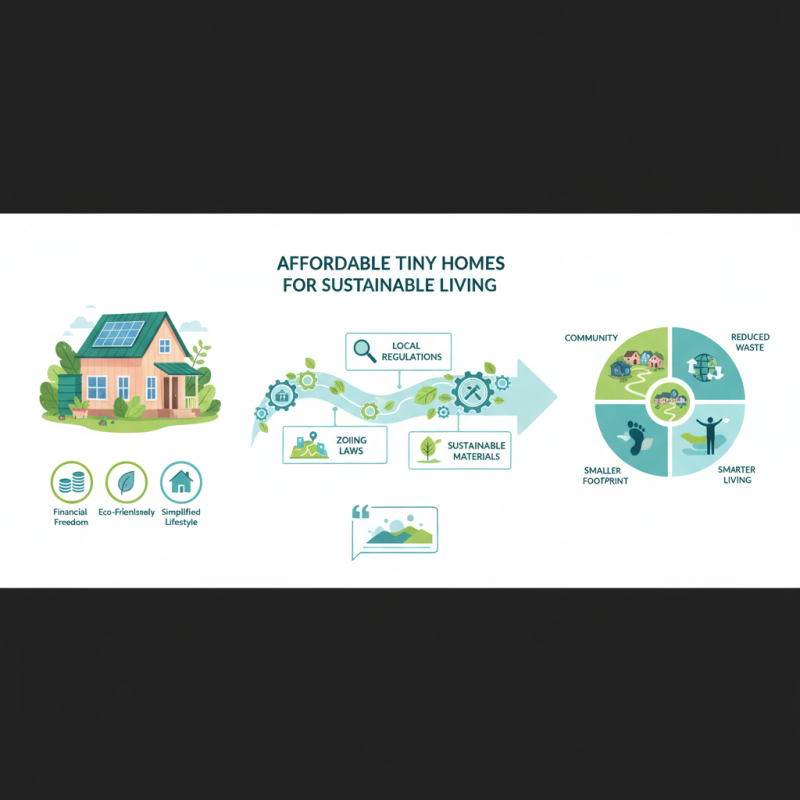
With the ongoing rise of housing costs, finding a sustainable yet affordable solution has become a priority for many. Tiny homes offer an innovative approach to living that reduces waste, promotes a smaller environmental footprint, and fosters a sense of community. In this guide, we will explore practical tips on locating affordable tiny homes, emphasizing the importance of understanding local regulations, community zoning laws, and sustainable building materials. By integrating these elements, enthusiasts can find their perfect tiny haven while contributing to a larger movement that prioritizes sustainability and affordability. As the tiny home movement continues to evolve, individuals are encouraged to consider how these homes can transform not only their lives but also the planet.
Understanding the Tiny Home Movement: Trends and Statistics for 2025
The tiny home movement continues to gain momentum as more individuals and families seek sustainable living solutions. In 2025, this trend shows no signs of slowing down, driven by rising housing costs, environmental concerns, and the desire for minimalist lifestyles. Recent statistics indicate that the tiny home market has expanded by over 30% in just a few years, with a significant increase in DIY projects and mobile tiny homes. These homes, often ranging from 100 to 400 square feet, not only offer affordability but also promote a sense of community among residents who share similar values around sustainability and simplicity.
One notable trend identified for 2025 is the integration of eco-friendly materials and technologies into tiny home designs. Homebuyers are increasingly looking for energy-efficient appliances, solar panels, and sustainable building materials as part of their decision-making process. Furthermore, local governments are beginning to embrace the movement by modifying zoning laws and building codes to accommodate tiny homes, making it easier for residents to embrace this lifestyle. As the movement evolves, it reflects a broader shift toward conscious living, underlining the importance of making environmentally responsible choices while still enjoying a comfortable and functional home.
2025 Guide: How to Find Affordable Tiny Homes for Sustainable Living - Understanding the Tiny Home Movement: Trends and Statistics for 2025
| Aspect |
Statistics / Data |
| Average Cost of Tiny Homes (2025) |
$45,000 |
| Percentage of Tiny Home Sales in Urban Areas |
62% |
| Most Common Tiny Home Size (sq ft) |
300-400 sq ft |
| Estimated Growth of Tiny Home Movement (Next 5 Years) |
35% |
| Average Utility Costs for Tiny Homes |
$150/month |
| Percentage of Buyers Prioritizing Sustainability |
78% |
| Popular Features in Tiny Homes |
Eco-friendly materials, multi-functional furniture |
| Main Reasons for Choosing Tiny Living |
Affordability, minimalism, sustainability |
The Benefits of Sustainable Living: Economic and Environmental Impacts
Sustainable living offers numerous economic and environmental benefits that can significantly enhance our quality of life. By opting for tiny homes, individuals can reduce their carbon footprint while also saving money on housing costs. These compact living spaces require fewer resources for construction and consume less energy, making them an eco-friendly alternative to traditional homes. Moreover, the reduced maintenance and utility expenses associated with tiny homes can create a more financially sustainable lifestyle.
Tips for finding affordable tiny homes begin with researching local regulations and zoning laws, as these can impact where you can place your small dwelling. Look for eco-villages or communities that prioritize sustainability and may offer smaller lots at lower prices. Additionally, consider DIY building options, where you can save on labor costs while customizing your home to fit your needs.
Investing in a tiny home not only supports a balanced budget but also encourages a simpler, more intentional way of living. By aligning your lifestyle with sustainable practices, you contribute to a healthier planet, ultimately fostering a community-centric approach that benefits everyone. Embrace this shift toward minimalism and watch the positive impacts ripple through your finances and the environment.
2025 Guide: Affordable Tiny Homes and Sustainable Living
This bar chart illustrates the average price of tiny homes from 2021 to 2025, showing a gradual increase in prices as demand for affordable housing continues to rise. The trend indicates the economic implications of sustainable living choices.
Key Features to Look for in Affordable Tiny Homes: A Comprehensive Guide
When searching for affordable tiny homes, it’s crucial to understand key features that not only enhance livability but also support sustainable living. According to the American Tiny House Association, the average cost of a tiny home in 2023 is around $60,000, which is significantly lower than traditional homes. When determining what features to prioritize, consider insulation and energy-efficient appliances. Proper insulation can reduce heating and cooling costs by up to 30%, making your tiny home sustainable in the long run.
Another important feature is the use of renewable energy sources. Many tiny homes are now equipped with solar panels, which can cut electricity costs dramatically. Reports from the U.S. Department of Energy indicate that a small solar system could save homeowners up to $1,200 annually on energy bills. Look for homes that come with pre-installed solar panels or have roof designs suitable for solar installations.
Tips: When assessing potential tiny homes, always inquire about the materials used in construction. Opt for homes built with sustainable materials, as they not only contribute to a lower carbon footprint but can also offer better durability and lower maintenance costs. Additionally, consider homes with multi-functional spaces that maximize utility without compromising comfort. This approach is key to achieving a balance between space efficiency and quality of life.
Top Locations for Tiny Homes: Analyzing Cost and Accessibility
When searching for affordable tiny homes, location plays a pivotal role in both cost and accessibility. Popular regions for tiny homes often include rural areas where land is less expensive and zoning regulations are more flexible. States like Oregon and Colorado have garnered attention for their supportive communities and initiatives focused on sustainable living. These areas not only offer affordable land but also foster a culture that embraces minimalism and eco-friendly practices, making them ideal for individuals seeking a simplified lifestyle.
Accessibility to amenities is another crucial factor when evaluating potential locations for tiny homes. Proximity to urban centers can enhance convenience, providing residents with access to essential services such as groceries, healthcare, and recreational activities. However, the challenge lies in finding areas where housing costs remain low despite their closeness to city amenities. Selecting suburban regions or small towns that are just a short drive from major cities often proves advantageous, balancing affordability with accessibility. As you explore various locations, it's important to consider not only the upfront costs but also the long-term living expenses associated with each area, ensuring a sustainable and fulfilling tiny home experience.
Financing Options for Tiny Home Purchases: What You Need to Know
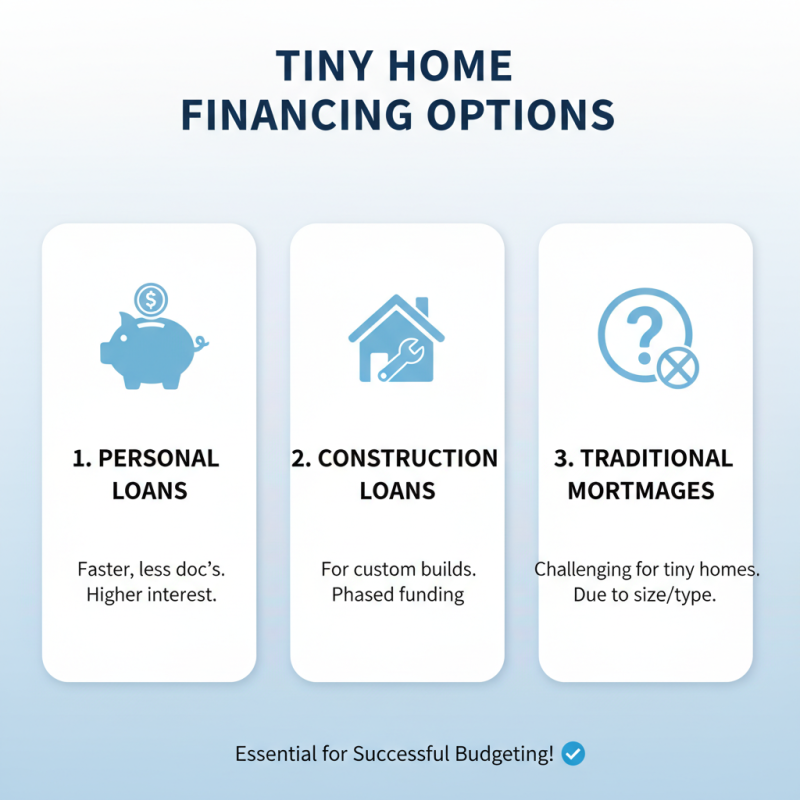
When considering the purchase of a tiny home, understanding the financing options available is essential for successful budgeting. Traditional mortgages can be challenging to secure for tiny homes due to their size and non-traditional nature. However, there are alternative financing routes worth exploring. Many potential buyers turn to personal loans as a simpler option; these typically have higher interest rates but can provide quicker access to funds without the need for extensive documentation. Another viable option is a construction loan, especially if you plan to build or customize your tiny home. These loans are designed specifically for financing the building of a home and can cover various phases of construction.
Additionally, some buyers might explore specialized tiny home loans designed to accommodate the unique characteristics of compact living spaces. These loans often have more lenient requirements, allowing buyers with varying credit scores to qualify. It’s important to compare interest rates, terms, and conditions from different lenders, as this can significantly affect overall costs. For those who prioritize sustainability, some financial institutions offer incentives for eco-friendly homes. As the tiny home movement continues to grow, staying informed about available financing options will empower potential homeowners to make sustainable living a reality.