10 Best Micro Homes: Affordable Tiny Living Solutions for Modern Lifestyles
As urban populations continue to swell, the need for affordable and sustainable living solutions has never been more pressing. Micro homes, often defined as compact living spaces under 400 square feet, are swiftly gaining traction as a viable option for modern lifestyles. According to a report by the American Institute of Architects, the market for micro homes has seen an increase of 80% over the last five years, highlighting a growing recognition of their potential to address housing shortages and promote environmentally friendly living.
Industry expert Grace Kim, a recognized authority in sustainable architecture, emphasizes the significance of this movement: “Micro homes are not just about size; they represent a shift in lifestyle choices that prioritize minimalism and community.” Her insights reflect a broader trend where individuals are increasingly valuing experiences over possessions, leading to a burgeoning interest in tiny living.
As we explore the ten best micro homes, we will examine how these innovative designs not only meet the need for affordable housing but also align with the principles of sustainability and efficient living. Through this lens, micro homes emerge not merely as housing solutions, but as catalysts for a lifestyle transformation that resonates with contemporary societal values.
Overview of Micro Homes as a Growing Trend in Modern Living
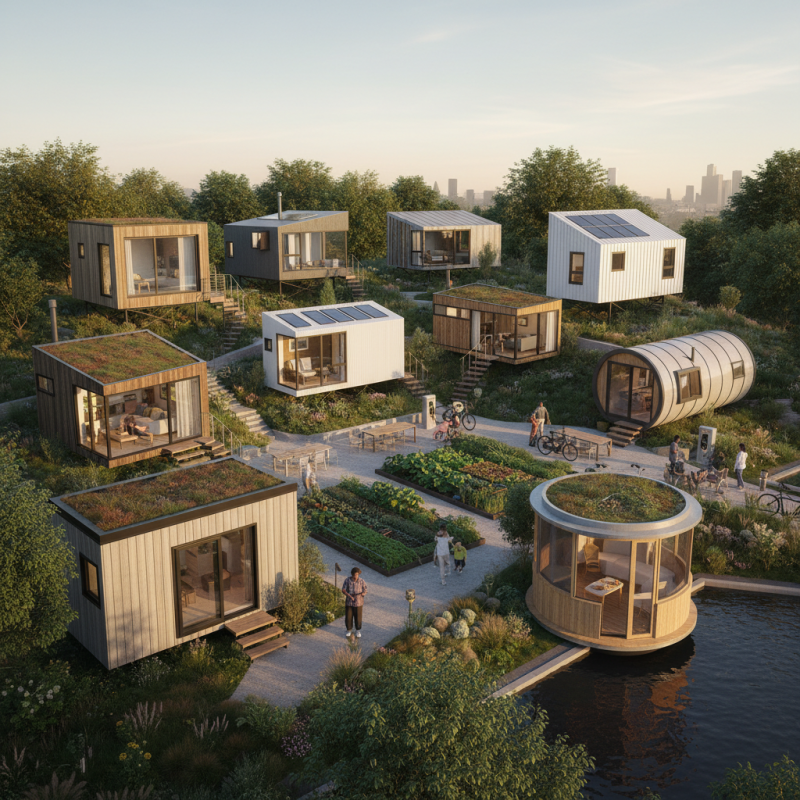
Micro homes have emerged as a compelling solution for those seeking to balance affordability and sustainability in their living arrangements. As urbanization accelerates and housing costs continue to soar, more people are turning to tiny living as a viable alternative. The appeal of micro homes lies not only in their reduced footprint but also in their ability to foster a minimalist lifestyle. By embracing smaller spaces, residents can declutter their lives, prioritizing experiences and environmental consciousness over material possessions.
This growing trend reflects a shift in mindset among modern individuals who value flexibility and eco-friendliness. Micro homes offer the opportunity to live in close-knit communities, promoting social interaction and reducing the isolation often felt in larger residences. Moreover, the decreased energy consumption associated with smaller living spaces aligns with the increasing urgency to combat climate change. As urban dwellers seek innovative ways to simplify their lives, micro homes provide a practical and stylish answer to the challenges of contemporary living, highlighting a fundamental change in how we perceive space, sustainability, and community.
10 Best Micro Homes: Affordable Tiny Living Solutions for Modern Lifestyles
| Home Type |
Size (sq ft) |
Price Range ($) |
Key Features |
Sustainability |
| Container Home |
320 |
$20,000 - $40,000 |
Eco-Friendly Materials, Minimalist Design |
High |
| Tiny Cabin |
200 |
$15,000 - $30,000 |
Wooden Structure, Off-Grid Options |
Moderate |
| Mobile Trailer |
250 |
$10,000 - $25,000 |
Portable, Affordable |
Low |
| Eco Pod |
150 |
$30,000 - $50,000 |
Solar Panels, Green Roof |
Very High |
| Modular Home |
400 |
$50,000 - $70,000 |
Customizable, Modern Amenities |
Moderate |
Key Features of Micro Homes That Appeal to Modern Lifestyles
Micro homes have gained immense popularity in recent years as a response to the demands of modern lifestyles that increasingly prioritize affordability, sustainability, and mobility. One of their key features is efficient use of space. These compact dwellings are designed to maximize utility and comfort, often incorporating multi-functional furniture that serves various purposes—such as a bed that transforms into a dining table or modular shelving that can be reconfigured as needed. This adaptability allows individuals and families to live comfortably in smaller footprints, ultimately reducing their environmental impact.
Another appealing aspect of micro homes is their ability to promote a minimalist lifestyle. With limited space, residents are encouraged to reduce clutter and focus on essential items, cultivating a sense of simplicity and intentionality in their daily lives. This shift toward minimalism not only enhances mental clarity but also fosters a stronger connection with the surrounding environment. Moreover, many micro homes are built with sustainable materials and energy-efficient technologies, aligning with the modern ethos of eco-conscious living. By embracing these key features, micro homes cater to those seeking a harmonious blend of comfort, practicality, and sustainability in their living spaces.
Top 10 Micro Homes: A Comparative Overview of Design and Functionality
As urban populations continue to grow, the need for affordable housing solutions becomes increasingly critical.
Micro homes have emerged as a viable response to this challenge, offering compact living spaces that maximize both design and functionality. According to the Tiny Home Industry Association, the tiny house movement has seen significant growth, with around 60% of individuals opting for micro homes citing financial freedom and simplicity as key motivators. This shift reflects a broader trend toward minimalism, where livability is prioritized over square footage.
When comparing various micro home designs, factors such as layout efficiency, sustainable building materials, and multi-functional spaces become essential. Research from the National Association of Home Builders indicates that homes under 400 square feet often utilize innovative storage solutions to optimize interior space. For instance, wall beds, foldable furniture, and integrated shelving systems can transform a single room into a multifunctional area capable of serving various needs—sleeping, working, and entertaining. Additionally, many micro homes incorporate energy-efficient features such as solar panels and rainwater harvesting systems, contributing to environmental sustainability.
The design of micro homes caters not only to the practical needs of modern lifestyles but also to the desire for aesthetic appeal. Architecturally, these homes showcase creative use of light and open spaces, often blending seamlessly with their natural surroundings. A well-designed micro home can enhance quality of life, offering a minimal yet comfortable living experience that resonates with the values of today’s eco-conscious consumers.
Affordability and Financial Considerations for Tiny Living Solutions
The rising popularity of micro homes stems largely from their affordability, making them an attractive option for individuals and families seeking to simplify their financial commitments. In an era where housing prices are continuously escalating, tiny homes offer a solution that allows for reduced mortgage or rental payments alongside lower utility costs. This significantly lowers the overall cost of living, offering more disposable income for other priorities such as travel, savings, or investments.
Moreover, financial considerations extend beyond just the initial purchase price or rent. Many micro homes come equipped with energy-efficient appliances and sustainable materials, which not only minimize environmental impact but also lead to reduced utility bills over time. Potential buyers should also consider the long-term benefits of owning a micro home, such as lower maintenance expenses and the potential for increased property value as the tiny living trend gains traction. This holistic approach to financial planning encourages a lifestyle that is both financially savvy and sustainable, appealing to modern sensibilities and shifting priorities towards affordability and minimalism.
Sustainability and Environmental Impact of Micro Homes in Urban Areas
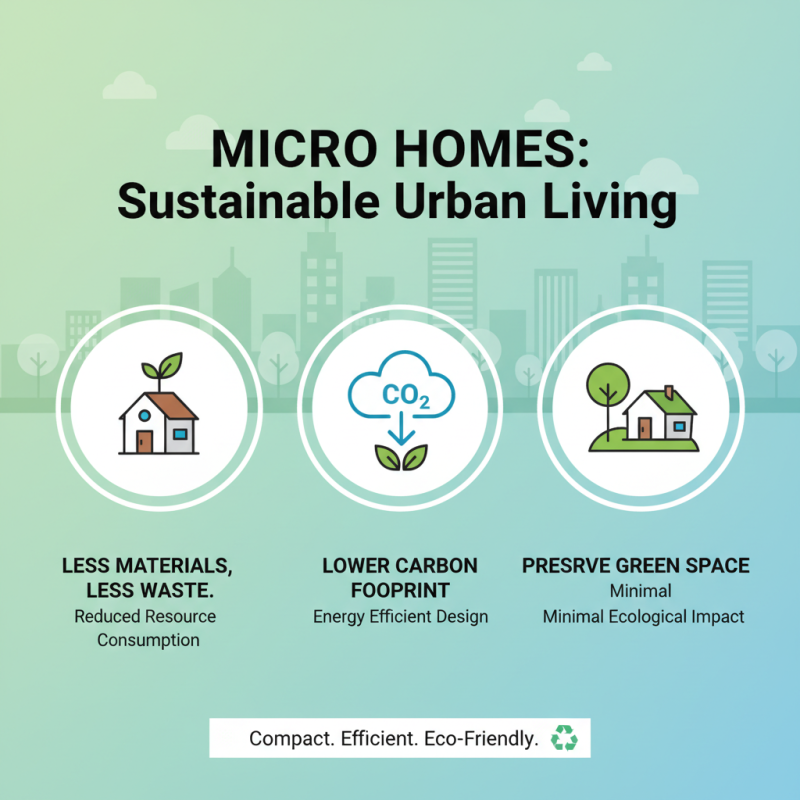
Micro homes, characterized by their compact designs and efficient use of space, offer significant benefits in terms of sustainability and environmental impact, especially in urban settings. These homes typically require fewer materials for construction, reducing resource consumption and waste production compared to traditional housing. This efficiency not only contributes to lower carbon footprints but also minimizes the ecological footprint by preserving more natural land, which is essential in densely populated areas where green spaces are often compromised.
Additionally, micro homes encourage a lifestyle that prioritizes minimalism and sustainability. By promoting smaller living spaces, residents are more likely to adopt practices that reduce energy consumption, such as using energy-efficient appliances and maximizing natural light. The decreased space also fosters a community-oriented atmosphere, leading to increased interaction among neighbors and encouraging shared resources. As urban populations continue to grow, embracing micro homes as a viable housing solution can pave the way for more sustainable cities, highlighting the importance of innovative solutions to combat environmental challenges.